Water Damage Restoration in
Calais, VT
Calais homeowners facing water damage have one job: get a crew on site fast. One call routes you to a vetted, IICRC-standard local crew serving Calais — 24/7 emergency mitigation and full property recovery.
Where do these Calais numbers come from? Federal sources: Census geography released 2023, plus dwelling and household figures averaged over the five years ending 2022. Mileage is direct, not driving.
Why does every hour of delay cost more?
Water damage restoration in Calais, VT is the professional process of extracting water, drying the structure to a documented moisture standard, and repairing the damage — emergency extraction, structural drying with commercial air movers and dehumidifiers, and full repair. Responding fast is the single biggest factor in how much of the property is saved.
- 0–60 MIN
Clock starts now
Insurers expect mitigation to begin the same day a loss is reported.
- 1–24 HRS
Documentation matters
An adjuster will look for photos showing how fast drying began.
- 24–48 HRS
Claim scrutiny rises
A policy may flag delayed mitigation as a coverage issue once growth appears.
- 2–7 DAYS
Coverage dispute risk
Insurers can deny secondary damage tied to a slow response.
- 1 WEEK+
Claim complications
A week-old loss invites disputes over what the policy will still cover.
When should you call a crew in Calais?
What does water damage restoration in Calais involve?
- Emergency water extraction and standing-water removal
- Structural drying with commercial air movers and dehumidifiers
- Moisture mapping and monitoring to a documented dry standard
- Removal of unsalvageable carpet, pad, and saturated drywall
- Antimicrobial treatment to prevent mold
- Full repair and rebuild of affected areas
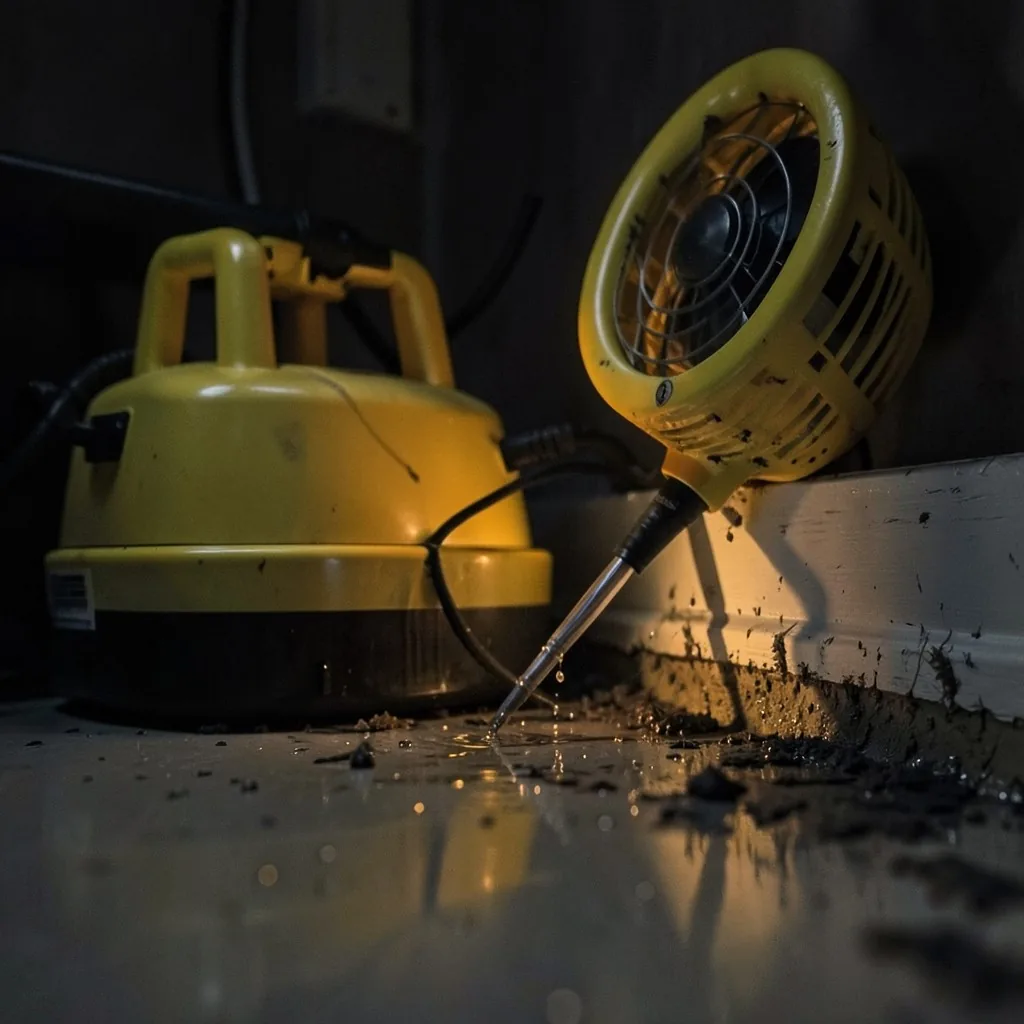
How do Calais crews handle it?
Emergency response & assessment
A crew arrives, stops or isolates the water source, and maps the full extent of moisture with meters and thermal imaging — including what has wicked out of sight into walls and subfloor. This assessment sets the drying plan and documents the loss for your insurance claim.
Water extraction
Truck-mounted and portable extractors pull standing water fast, before it migrates further into the structure. Getting the bulk water out quickly is what limits how much material has to be removed later.
Structural drying
Commercial air movers and dehumidifiers are placed and monitored daily, with moisture readings logged until framing and substrate return to a documented dry standard — not just a dry surface. This is the phase that prevents a water loss from becoming a mold loss.
Cleaning & antimicrobial
Affected materials are cleaned and treated with antimicrobial, and unsalvageable porous materials like soaked carpet, pad, and drywall are removed and disposed of properly. Contaminated (gray or black) water losses get full decontamination at this stage.
Restoration & rebuild
Once the structure is verified dry, drywall, flooring, paint, and finishes are restored so the property returns to its pre-loss condition. Because the same crew handles both mitigation and rebuild, there is no gap or hand-off between drying and repair.
What should you do in the first 60 minutes?
- Get everyone to safety — people and pets first.
- Shut off the water source at the main valve if you can reach it safely.
- Cut power to any circuit near standing water before you do anything else.
- Lift valuables and electronics off wet floors.
- Call for professional mitigation — the sooner a crew starts, the less is lost.
- Call for professional mitigation in Calais — the sooner a crew starts, the less is lost.
- Don’t wade into pooled water near any electrical source — a shock risk outweighs any cleanup.
- Don’t delay the call hoping it dries on its own — a stalled report can complicate a claim.
- Don’t keep the furnace or AC cycling while contamination is unresolved.
- Don’t dispose of ruined furniture or flooring before it’s photographed for the adjuster.
What drives water damage in Calais?
Water losses spike in deep winter, when a pipe can freeze, split, and flood a home before anyone is home to notice. The classic emergency here is the winter burst pipe — hundreds of gallons an hour, often discovered hours later, plus ice-dam roof leaks and spring-melt basement flooding. The most common triggers around Calais include frozen and burst pipes, ice dams and roof leaks, sump-pump failures and spring melt. Local Calais crews have seen this loss before in the northern freeze belt, so they anticipate where the damage travels and address it before it spreads further. Calais sits amid open-country parcels and unincorporated township land, so dispatch routes cover real distance between calls.
Beyond Calais itself, routing reaches Adamant, Montpelier, Cabot, Barre, Waterbury, Cambridge, Belvidere Center, Bakersfield, Bristol, Burlington, Charlotte, and Colchester and other Vermont towns nearby.
Why is every Calais job priced differently?
| Factor | Why it matters |
|---|---|
| Category of water (clean, gray, or black) | Black water needs full decontamination and more removal than clean water. |
| Square footage and rooms affected | More affected area means more extraction, equipment, and labor. |
| How long the water sat before extraction | Longer exposure means deeper damage and more material to remove. |
| Days of drying equipment required | Each day of air movers and dehumidifiers adds equipment and monitoring. |
| Whether porous materials must be removed | Tearing out and replacing carpet, pad, and drywall adds to the job. |
| Scope of rebuild after drying | Restoring flooring, drywall, and finishes is priced on top of drying. |
Contractors set their own rates and quote you directly — see our cost guides for detail. No pricing is shown here.
What equipment does the work actually require?
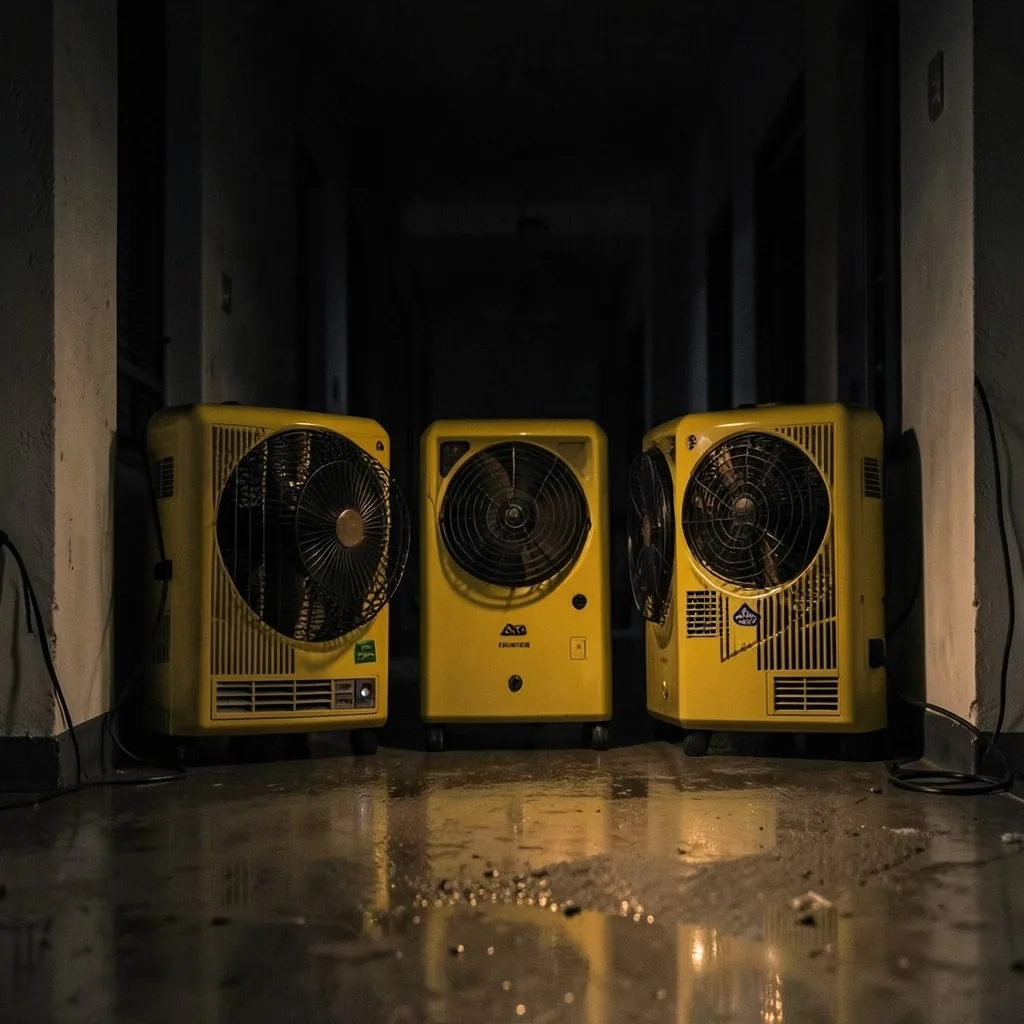
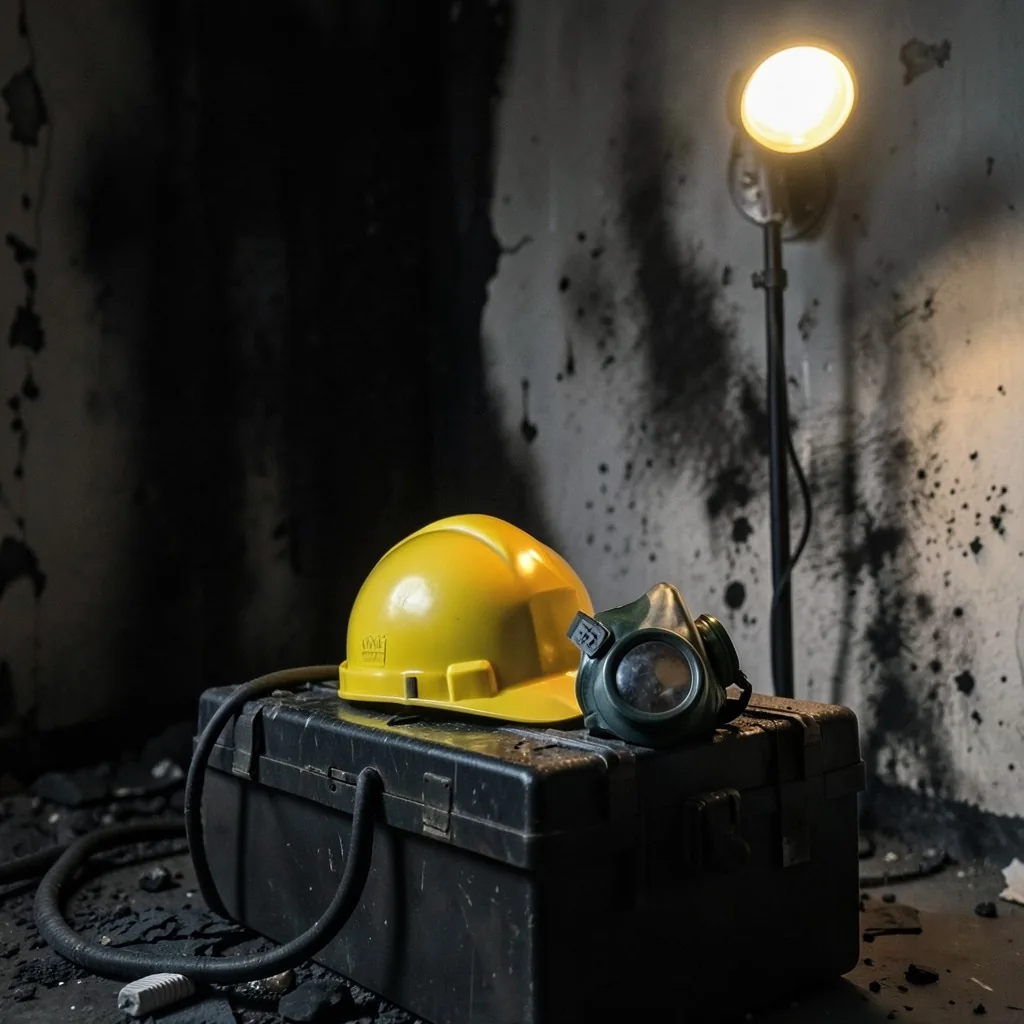
Salvage first, replace second — Calais crews clean and save what they can, and are clear about what has to go.
What standards do local crews work to?
Finding what you can’t see
Water hides behind walls and under floors. A crew maps the full extent with meters — not just the visible damage.
A crew that works your area
A local contractor reaches you faster and knows how homes in the area fail. Proximity is part of the response.
A realistic schedule
You get a timeline after the assessment. Fast mitigation keeps the whole project — and the cost — as short as possible.
Done to IICRC standard
Crews work to recognized industry practice and document the loss with photos and readings — the evidence your insurer expects.
Water spreading right now?
A vetted local crew can be on the way. One call, free to get matched.
(877) 438-0796 →Most sudden, accidental water losses are insurable events, and the restoration crews we route to typically document the damage the way adjusters expect — with photos, moisture readings, and a line-item scope. A contractor doesn’t negotiate your claim; that’s the role of a public adjuster. They simply provide the evidence that supports a fair settlement. This is general information, not insurance advice — your policy language and state rules control. See our restoration insurance claims guide for the full process. See our restoration insurance claims guide for the full process.
Water Damage Restoration in Calais — FAQ
Real answers on matching, cost, insurance, and getting a crew on site in Calais. Don't see yours? The phone works from any page.
● (877) 438-0796How fast can a crew reach Calais?
Calais gets round-the-clock dispatch for water damage calls, and matching to a local contractor is free. Actual arrival shifts with current demand, but same-day response is the norm.
Do you cover all of Calais?
Yes — dispatch reaches every part of Calais, for water damage, fire & smoke damage, through independent, IICRC-standard contractors. Calais sits amid open-country parcels and unincorporated township land, so dispatch routes cover real distance between calls.
What causes most water damage in Calais?
Around Calais, frozen and burst pipes, ice dams and roof leaks, sump-pump failures and spring melt drive most water damage claims. The classic emergency here is the winter burst pipe — hundreds of gallons an hour, often discovered hours later, plus ice-dam roof leaks and spring-melt basement flooding. Calais sits within a short drive of East Calais (3 mi) and Adamant (3 mi), all inside the same response radius.
How much will water damage restoration cost in Calais?
There's no set rate for water damage restoration in Calais — scope, category, and drying time all move the total, and each contractor quotes independently. Matching is free with no obligation, and the full estimate comes from the crew that inspects the loss. Mid-century Calais homes frequently pair slab-on-grade construction with asbestos floor tile, which slows any tear-out until it clears testing.
Why does a wall look dry but still test wet?
Surface evaporation happens fast, but moisture trapped in the gypsum core or wall cavity migrates outward slowly. A moisture meter reads the material itself, not just what the eye sees, which is why mapping continues well after surfaces feel dry to the touch. How fast a Calais crew reaches you depends mostly on how quickly you call.
Why can't wet insulation just be dried in place?
Cellulose and fiberglass insulation hold water in a way that rarely returns to a safe equilibrium moisture content before mold can establish — most contractors remove saturated insulation rather than attempt to dry it. A local Calais, VT contractor handles this end to end — no distant call center.
What determines when drying equipment comes out?
Not a fixed number of days — the affected material's moisture content has to converge with an unaffected baseline reading elsewhere in the structure. That documented convergence is the dry standard insurers and contractors both rely on. In Calais, the same standards apply whether the loss is large or small.
Do the crews handle the rebuild too, or just cleanup?
Yes, both. A Calais contractor typically starts with the emergency work and, if you want, carries the job all the way through rebuild — no separate crew to line up for drywall, flooring, or paint.
Is it really free to get matched?
Yes. Getting connected with a Calais restoration crew is free with no obligation. The contractor assesses the loss and gives you an estimate directly; the decision to proceed is entirely yours.
Are the Calais crews vetted?
Every contractor working Calais through this network is an independent, IICRC-standard business. Credentials and cover are that contractor's own responsibility, and confirming them directly before work starts is always worth the two minutes it takes.
Can one crew handle every kind of damage?
What's the difference between mitigation, remediation, restoration and repair?
Contractors, adjusters and search results use these four terms loosely. They describe different phases of work, and the distinction decides what is included in a Calais quote — and what is not.
Inspection comes before all of it and is not the same as a quote. It establishes how far water damage actually reaches in a Calais property — usually with moisture meters, and sometimes thermal imaging — because the visible edge is rarely the real edge.
Mitigation is the emergency half — the work that stops the loss spreading. In Calais that means stopping the loss getting worse within hours, not days. Insurers generally expect it to begin immediately, because delay turns a contained loss into a larger one. Most policies ask you to take reasonable steps to limit damage, so this phase usually proceeds without waiting for approval.
Remediation (often written cleanup) is removing what cannot be saved and returning conditions to normal — extraction, removal of unsalvageable material, cleaning and drying to a documented standard. It is the phase where most of the actual labour sits, and where a scope either holds or expands.
Restoration is the umbrella: everything from the first emergency call to a finished room. Used strictly it includes both of the phases above.
Repair (or reconstruction) is the rebuild at the end — drywall, flooring, paint, cabinetry. It is a separate phase with its own schedule, and quotes frequently exclude it. Always ask which you are being quoted.
Pack-out covers your belongings rather than the building: boxing, cleaning and storing contents elsewhere while the property is worked on. Whether it is included is one of the larger swings between two Calais estimates.
Verification proves the job is finished rather than merely looking finished. It documents that materials are dry to standard, and it is the paperwork you will want if the property is later sold or claimed on. Ask for it explicitly; it is not always offered.
Worth doing before you choose a Calais contractor: ask each one which of these phases their price actually covers. Most disputes about a restoration bill trace back to one quote including reconstruction and the other not — which is a scope difference, not an honesty problem, but it only surfaces once the work is underway. Getting it in writing at the estimate stage costs nothing and settles it.
Water Damage Restoration near Calais
Read up on water & flood.
Outline what happened in Calais.
Send a short summary of the loss and an independent restoration contractor follows up. If the situation is unfolding right now, the phone is quicker.
- No charge to be introduced — and nothing is owed afterwards
- Screened crews working to recognized industry practice
- A single contractor — pricing comes straight from them
Someone who already covers your ZIP code, rather than a remote dispatcher.
Your Calais crew is one call away.
Free to get matched, no obligation — the crew gives you the estimate directly.