Water Damage Restoration in
Waterbury, VT
When disaster strikes in Waterbury, Vermont, every hour counts. We connect you with an independent, IICRC-standard restoration contractor who works Waterbury — on site fast, with mitigation through full rebuild.
Figures shown for Waterbury are drawn from federal public records: Census Bureau geography files released in 2023, paired with survey averages covering 2018 through 2022. Mileage reflects straight-line separation.
Why does every hour of delay cost more?
Water damage restoration in Waterbury, VT is the professional process of extracting water, drying the structure to a documented moisture standard, and repairing the damage — emergency extraction, structural drying with commercial air movers and dehumidifiers, and full repair. Responding fast is the single biggest factor in how much of the property is saved.
- 0–60 MIN
Scope still small
A same-hour response keeps the job a simple extraction line-item.
- 1–24 HRS
Line items grow
Swollen drywall and trim add a demolition and carpentry line to the estimate.
- 24–48 HRS
Scope expands
Once microbial growth starts, a remediation phase joins the invoice.
- 2–7 DAYS
Budget climbs
Weakened framing turns a drying job into a structural-repair estimate.
- 1 WEEK+
Total reconstruction
A week of standing damage pushes the quote from repair into full reconstruction.
When should you call a crew in Waterbury?
What does water damage restoration in Waterbury involve?
- Load calculation sizing dehumidification capacity to the affected volume and water class
- Placement of axial and centrifugal air movers across wet surfaces and cavities
- Low-grain refrigerant or desiccant dehumidification to hold the target grain depression
- Cavity injection drying for wall and subfloor spaces trapping moisture
- Daily equipment monitoring and adjustment as the drying chart plateaus or progresses
- HEPA filtration where the water class requires airborne contaminant control
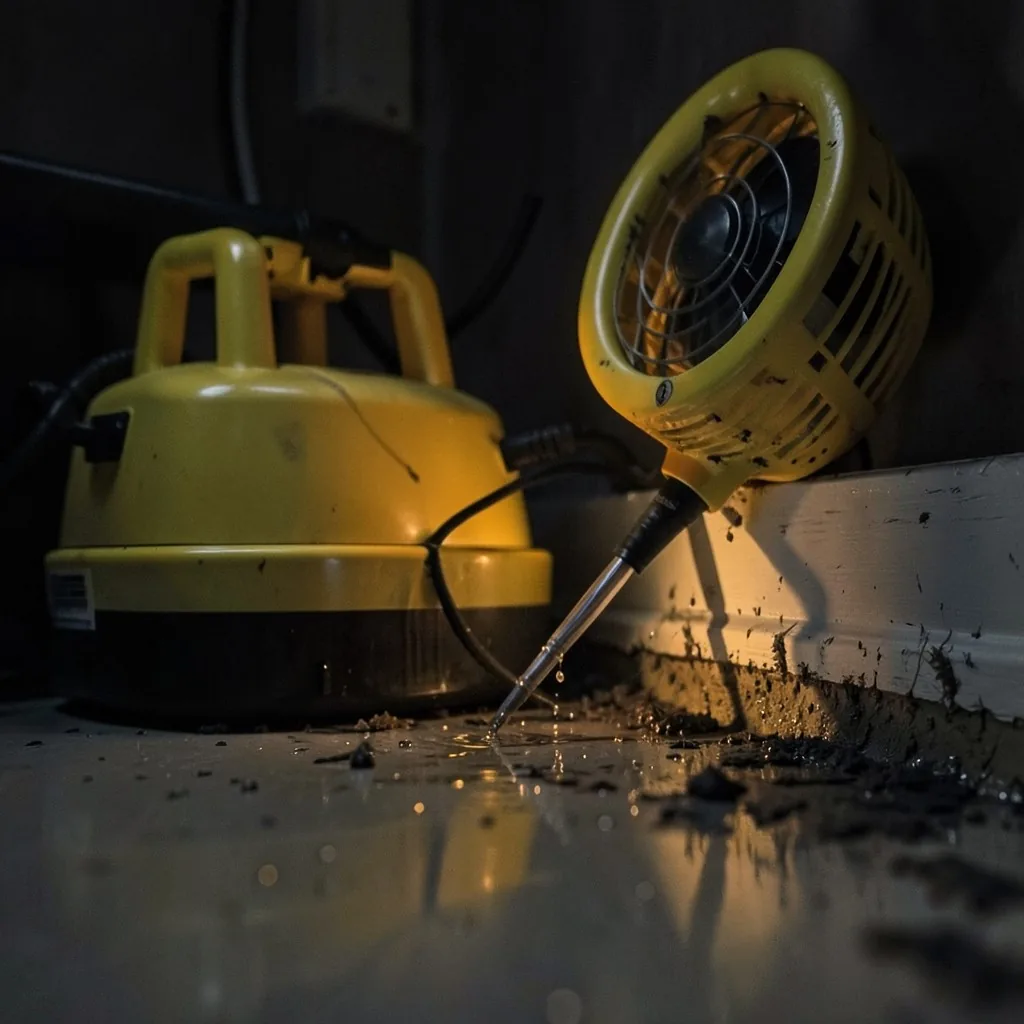
How do Waterbury crews handle it?
Class and load calculation
The water loss is classified by IICRC S500 class (1 through 4, based on how much material absorbed water and how deep it penetrated), and that class drives the airflow and dehumidification capacity the drying plan calls for.
Air mover placement
Axial and centrifugal air movers are positioned to sweep evaporated moisture off wet surfaces and into the airstream, angled and spaced to keep the whole affected area in continuous circulation rather than leaving dead zones.
Dehumidification and grain depression
A low-grain refrigerant or desiccant dehumidifier is sized to hold the grain depression the load calculation calls for — enough difference between the air's moisture content and the material's to keep evaporation moving without stalling.
Cavity injection
Wall cavities, subfloor voids, and other enclosed spaces that trap moisture get discrete injection ports feeding conditioned air directly into the cavity, since surface air movers alone can't reach what's sealed behind a finished wall.
Monitoring and plateau adjustment
Daily hygrometer and pin-meter readings are charted, and equipment placement is adjusted if a material's drying curve plateaus before reaching the target — a flat line on the drying chart means the plan needs to change, not just more days.
What should you do in the first 60 minutes?
- Get everyone to safety — people and pets first.
- Shut off the water source at the main valve if you can reach it safely.
- Cut power to any circuit near standing water before you do anything else.
- Lift valuables and electronics off wet floors.
- Call for professional mitigation — the sooner a crew starts, the less is lost.
- Call for professional mitigation in Waterbury — the sooner a crew starts, the less is lost.
- Don’t step into standing water near an outlet, cord, or appliance — treat it as live until power is confirmed off.
- Don’t leave a wet-vac running on standing water without confirming the circuit is de-energized first.
- Don’t cycle the HVAC system — it pulls contaminated air through ductwork into dry rooms.
- Don’t haul soaked carpet or drywall to the curb before a contractor has logged it.
What drives water damage in Waterbury?
In and around Waterbury, the classic emergency here is the winter burst pipe — hundreds of gallons an hour, often discovered hours later, plus ice-dam roof leaks and spring-melt basement flooding. Water losses spike in deep winter, when a pipe can freeze, split, and flood a home before anyone is home to notice. The most common triggers around Waterbury include frozen and burst pipes, ice dams and roof leaks, sump-pump failures and spring melt. A crew that already works the northern freeze belt knows these failure modes and exactly what hidden damage to check for — the moisture behind a Waterbury wall, the soot in a duct, the mold under a floor that a generalist would miss. From Waterbury, dispatch reaches outward to Moretown (5 mi) and Huntington (5 mi) without a change in coverage terms.
Local dispatch covers Waterbury and the neighboring communities of Montpelier, Bristol, Adamant, Calais, Charlotte, Barre, Cambridge, Burlington, Colchester, Cabot, Bridport, and Bakersfield.
Why is every Waterbury job priced differently?
| Factor | Why it matters |
|---|---|
| IICRC S500 class of the water loss | A higher class means more material absorbed water more deeply, requiring greater airflow and dehumidification capacity. |
| Number of air movers and dehumidifiers required | Larger or more complex affected areas need more units running for the drying period. |
| Whether cavity injection drying is needed | Wall and subfloor cavities that trap moisture require additional injection ports and setup beyond surface air movers. |
| Days the equipment runs before reaching target grain depression | Each additional day of equipment operation and monitoring adds to the job. |
| Power and electrical capacity at the property | Running commercial-grade equipment sometimes requires generators or panel considerations that add setup time. |
| HEPA filtration needs | Water classes requiring airborne contaminant control add filtration equipment on top of standard drying gear. |
Contractors set their own rates and quote you directly — see our cost guides for detail. No pricing is shown here.
What equipment does the work actually require?
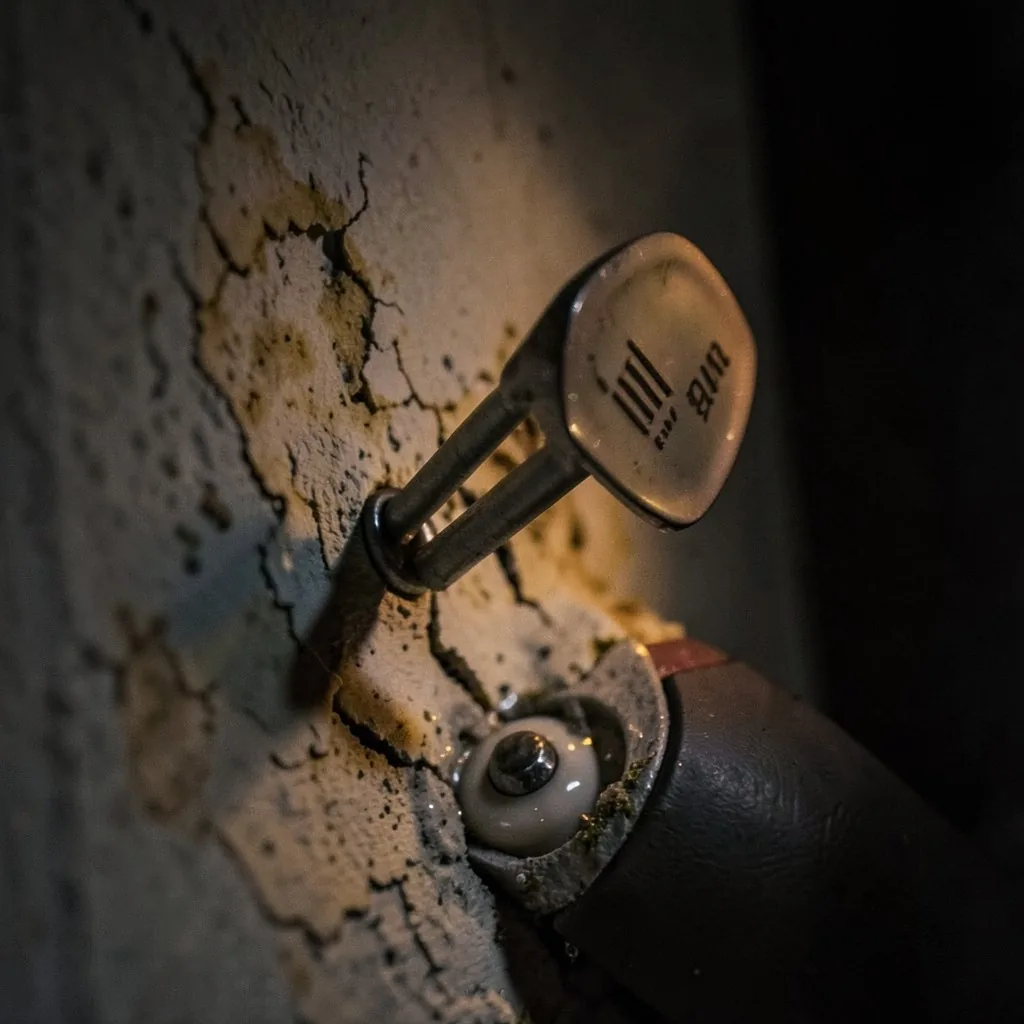
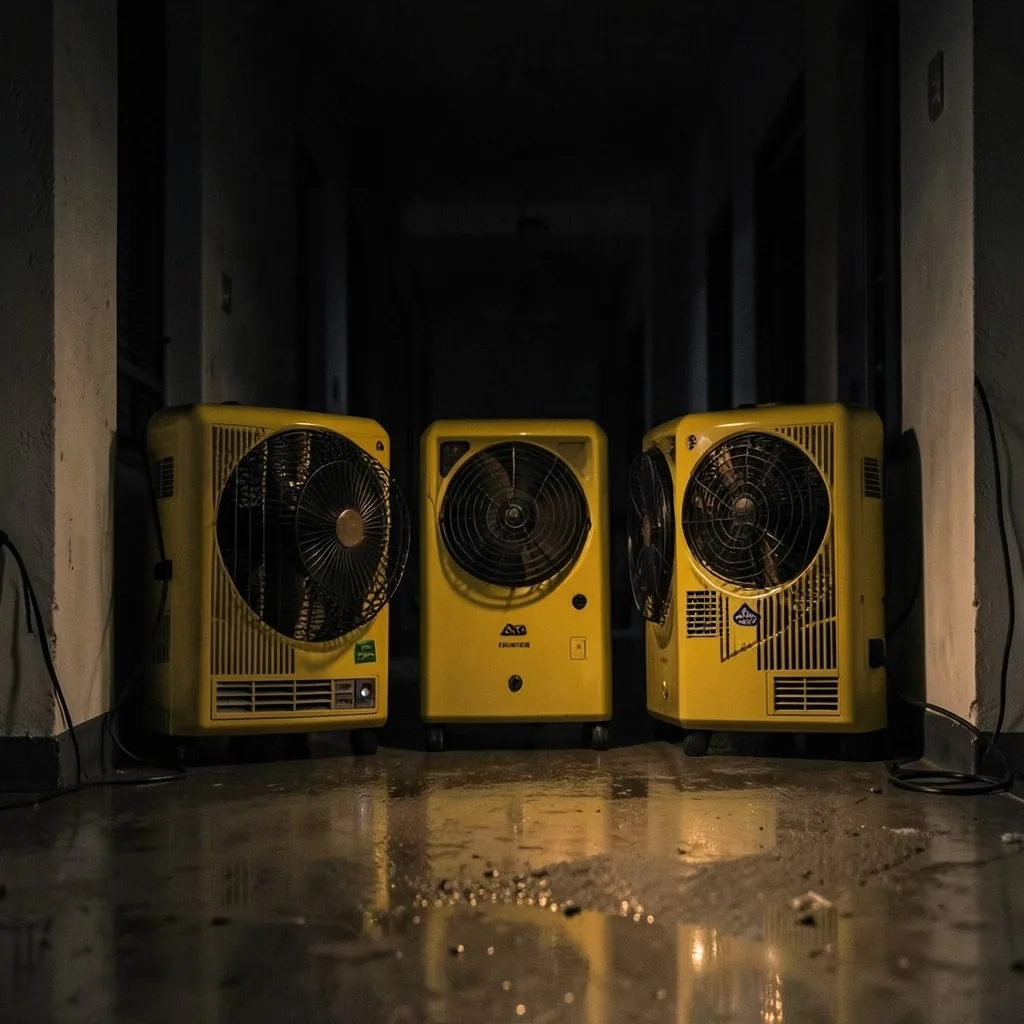
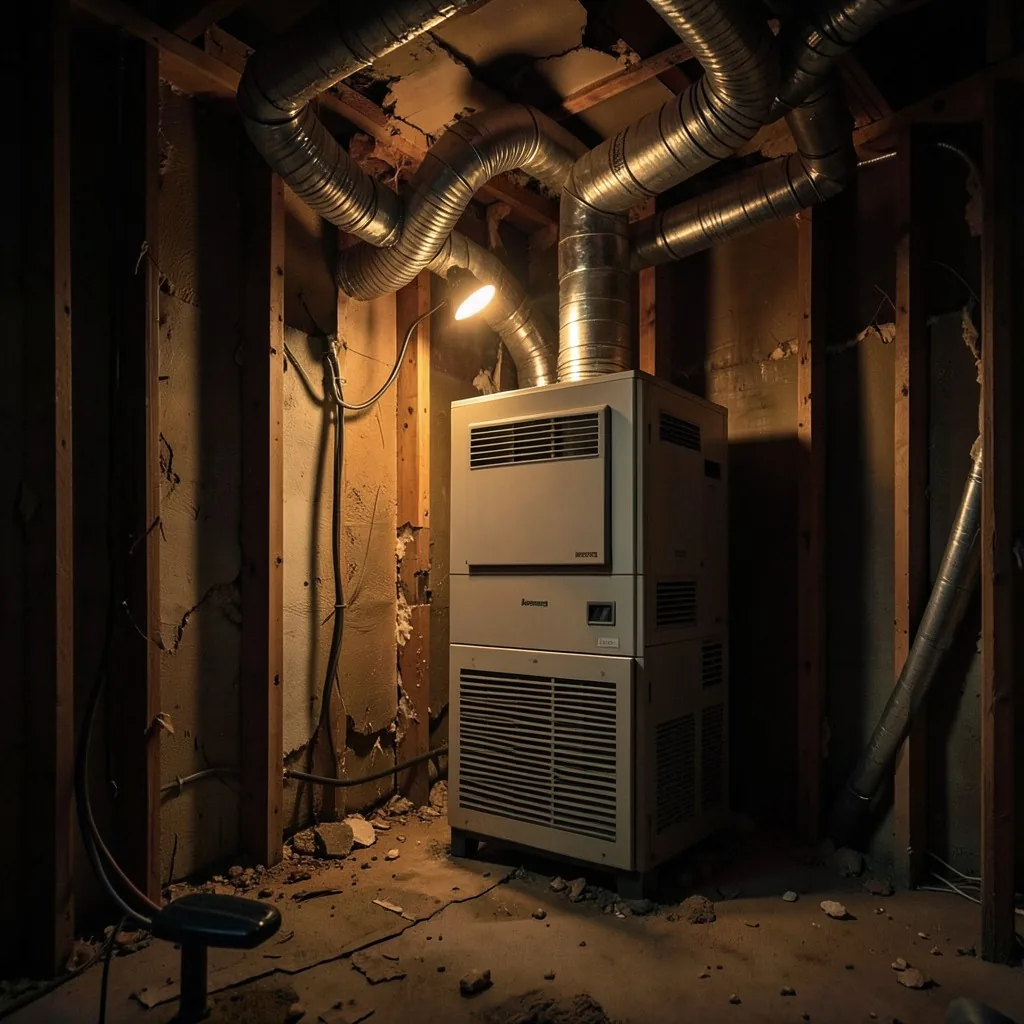
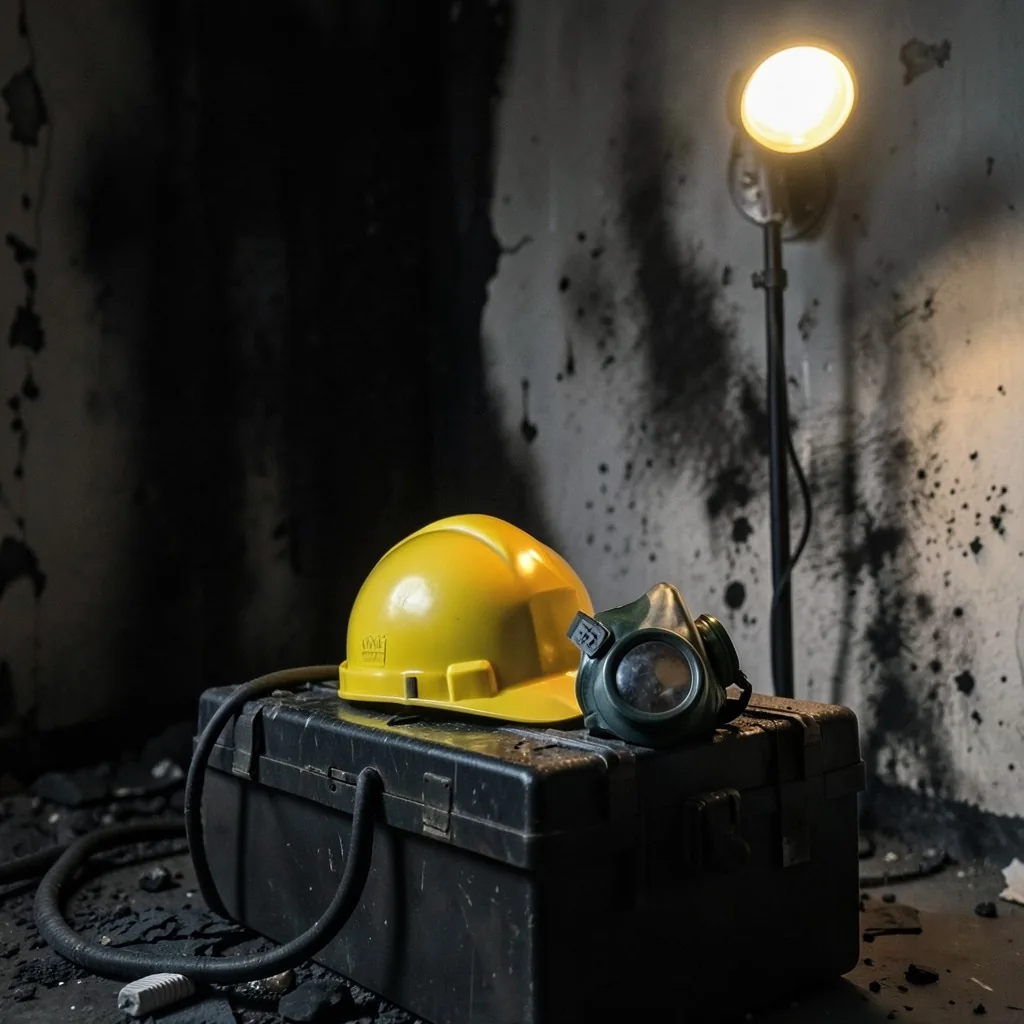
Salvage first, replace second — Waterbury crews clean and save what they can, and are clear about what has to go.
What standards do local crews work to?
Meters find what eyes miss
Thermal imaging and moisture meters trace saturation behind drywall and under flooring before a scope gets written.
Extraction starts the same visit
Standing water gets pulled the day a crew arrives, because migration into subfloor and framing only gets worse with delay.
Equipment sized to the loss
Dehumidifiers and air movers are calculated to the room’s volume, not dropped in at a guess.
A reading ends the job, not a calendar
Drying stops when readings match an unaffected baseline — logged for your file, not eyeballed.
Water spreading right now?
A vetted local crew can be on the way. One call, free to get matched.
(877) 438-0796 →A clear paper trail helps every water claim, regardless of outcome: photos before cleanup starts, daily moisture readings through the drying process, and an itemized scope of what was removed. Contractors typically provide this record; deciding what your policy actually pays is entirely your carrier’s call, not the crew’s. Coverage terms vary a great deal by insurer and by state, so nothing stated here should be read as a promise of reimbursement — check your own policy for the real answer. See our restoration insurance claims guide for the full process.
Water Damage Restoration in Waterbury — FAQ
Real answers on matching, cost, insurance, and getting a crew on site in Waterbury. Don't see yours? The phone works from any page.
● (877) 438-0796How fast can a crew reach Waterbury?
This is emergency work, so dispatch to Waterbury runs day and night. One call connects you to a nearby, available contractor at no cost to you.
Do you cover all of Waterbury?
Yes — dispatch reaches every part of Waterbury, all 2 ZIP codes, for water damage, fire & smoke damage, through independent, IICRC-standard contractors. Waterbury sits amid open-country parcels and unincorporated township land, so dispatch routes cover real distance between calls.
What causes most water damage in Waterbury?
In the northern freeze belt, the common triggers are frozen and burst pipes, ice dams and roof leaks, sump-pump failures and spring melt. The classic emergency here is the winter burst pipe — hundreds of gallons an hour, often discovered hours later, plus ice-dam roof leaks and spring-melt basement flooding. From Waterbury, dispatch reaches outward to Moretown (5 mi) and Huntington (5 mi) without a change in coverage terms.
How much will water damage restoration cost in Waterbury?
There's no set rate for water damage restoration in Waterbury — scope, category, and drying time all move the total, and each contractor quotes independently. Matching is free with no obligation, and the full estimate comes from the crew that inspects the loss. Particleboard subfloor and masonite siding are common in Waterbury homes from this era, and both swell or delaminate fast once soaked.
What should be documented before drying starts?
Photographs of the loss in its original condition, a written description of the source, and initial moisture readings. This baseline record is what an adjuster compares against later, so documenting before extraction begins matters. Waterbury crews document the work with photos and readings for your records and your insurer.
Does the water category affect my claim?
It can. IICRC S500 classifies water as clean, gray, or black, and a carrier's evaluation of covered scope often follows that classification since contaminated water requires more extensive removal. Your policy language controls the specifics. How fast a Waterbury crew reaches you depends mostly on how quickly you call.
What if the adjuster's estimate doesn't match the scope of work?
A documented supplement — additional photos, moisture readings, and a written explanation of the added scope — is the standard way to reconcile a gap between the field estimate and what the loss actually required. A local Waterbury, VT contractor handles this end to end — no distant call center.
Do the crews handle the rebuild too, or just cleanup?
Yes, both. A Waterbury contractor typically starts with the emergency work and, if you want, carries the job all the way through rebuild — no separate crew to line up for drywall, flooring, or paint.
Is it really free to get matched?
Yes. Getting connected with a Waterbury restoration crew is free with no obligation. The contractor assesses the loss and gives you an estimate directly; the decision to proceed is entirely yours.
Are the Waterbury crews vetted?
Yes — the contractors serving Waterbury are independent, IICRC-standard operators, each responsible for their own credentials and cover. Ask to see them before anything starts; a legitimate crew expects the question.
Can one crew handle every kind of damage?
What's the difference between mitigation, remediation, restoration and repair?
Four words get used as if they mean the same thing, and they do not. Knowing which phase you are actually being quoted for is the difference between comparing two Waterbury estimates fairly and comparing a mitigation price against a full rebuild.
Inspection is the measuring step, not the selling step. It maps how far water damage has travelled in the building, which is what a scope is then written from.
Mitigation means limiting the damage that has already started. It is the first crew on site in Waterbury, and it is measured in hours: stopping the loss getting worse before anything gets rebuilt. Because it prevents a bigger claim, it is the one phase insurers rarely want delayed while a scope is agreed.
Remediation (often written cleanup) is removing what cannot be saved and returning conditions to normal — extraction, removal of unsalvageable material, cleaning and drying to a documented standard. It is the phase where most of the actual labour sits, and where a scope either holds or expands.
Restoration is the whole arc, mitigation and remediation included, through to the property being usable again. It is the umbrella term, which is why it is the one most companies put on the sign.
Repair (or reconstruction) is the rebuild at the end — drywall, flooring, paint, cabinetry. It is a separate phase with its own schedule, and quotes frequently exclude it. Always ask which you are being quoted.
Pack-out is the removal of contents — furniture, documents, electronics, personal items — to be cleaned and stored off-site while the building work happens. It appears as its own line on a Waterbury estimate, and it is often the difference between a quote that looked cheap and one that looked expensive. Not every loss needs one.
Verification closes the job with evidence — readings and, where relevant, clearance results. A Waterbury contractor who cannot produce it at the end has given you a tidy room rather than a completed remediation, and the difference matters later.
When you call, it helps to say which stage you think you are at. A Waterbury crew scopes an active emergency differently from a property that has already dried out and now needs putting back together, and being routed to the right kind of response first time saves a visit. If you are unsure which stage applies, describe what you can see and let the assessment decide.
Water Damage Restoration near Waterbury
Read up on water & flood.
Set out the problem in Waterbury.
Write down what went wrong and a vetted contractor in the area gets in touch. For something happening as you read this, the phone line is faster.
- Nothing to pay for the introduction and no strings attached
- Operators checked in advance against established trade standards
- A single point of contact — costs come from the firm itself
Paired on geography, not routed through a national answering service.
Your Waterbury crew is one call away.
Free to get matched, no obligation — the crew gives you the estimate directly.