Water Damage Restoration in
Alburgh, VT
A water emergency in Alburgh doesn't wait, and neither should your response. We connect you with an independent, IICRC-standard restoration contractor who works Alburgh — on site fast, with mitigation through full rebuild.
Figures shown for Alburgh are drawn from federal public records: Census Bureau geography files released in 2023, paired with survey averages covering 2018 through 2022. Mileage reflects straight-line separation.
Why does every hour of delay cost more?
Water damage restoration in Alburgh, VT is the professional process of extracting water, drying the structure to a documented moisture standard, and repairing the damage — emergency extraction, structural drying with commercial air movers and dehumidifiers, and full repair. Responding fast is the single biggest factor in how much of the property is saved.
- 0–60 MIN
It spreads
Water wicks into flooring and walls.
- 1–24 HRS
It worsens
Drywall and trim swell and warp.
- 24–48 HRS
Mold begins
Microbial growth can start.
- 2–7 DAYS
Structure at risk
Saturation weakens framing; odor sets in.
- 1 WEEK+
Rebuild territory
Extraction becomes gut-and-rebuild.
When should you call a crew in Alburgh?
What does water damage restoration in Alburgh involve?
- Same-day or next-available dispatch once the source is reported
- Same-visit extraction of standing water to stop further spread
- Daily monitoring visits through the drying period with logged readings
- A defined response window for after-hours and weekend emergencies
- A final walkthrough confirming the dry standard before equipment leaves
- Reoccupancy timeline communicated once affected rooms are cleared
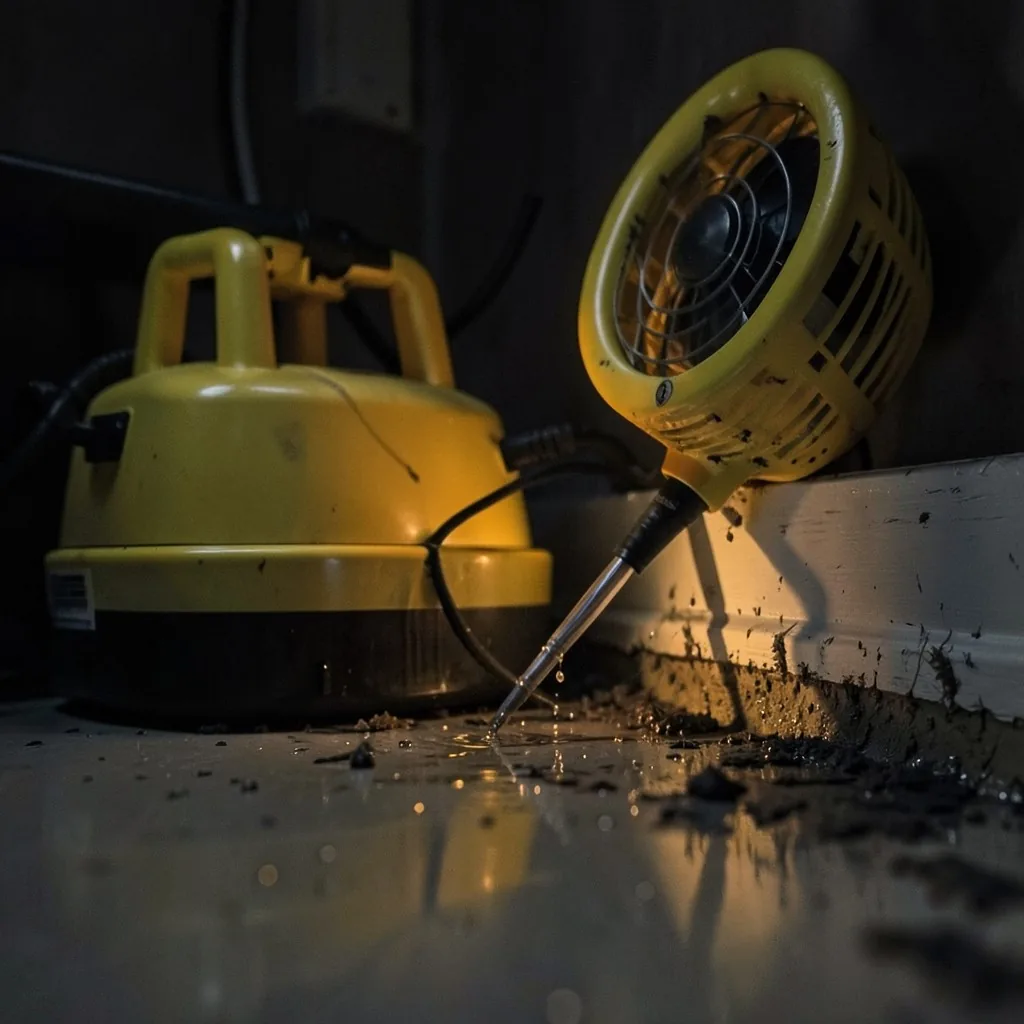
How do Alburgh crews handle it?
Dispatch and arrival
Once the source is reported, a crew is dispatched with an arrival window typically measured in hours rather than days — water losses are treated as emergency calls because every hour of delay adds to what has to be dried or removed.
Same-visit extraction
Standing water is extracted on the first visit rather than scheduled for later, since bulk water left overnight migrates further into flooring and framing and turns a same-day job into a multi-day one.
The 24 to 48 hour window
This is the period during which mold can begin to establish in materials that stay wet, so the drying plan's early days are focused on hitting airflow and dehumidification targets before that window closes, not just getting equipment on site.
Daily monitoring through completion
A technician returns on a set cadence — typically daily — to log moisture readings, adjust equipment, and track progress against the dry standard, so the timeline is visible and documented rather than an open-ended guess.
Final walkthrough and sign-off
Once readings across the affected area match the dry standard, a final walkthrough confirms the space is ready for rebuild or reoccupancy, closing out the mitigation phase on a specific date rather than leaving it open.
What should you do in the first 60 minutes?
- Make sure everyone is safely out of the affected rooms first.
- Turn off the water supply at the source if reaching it doesn’t put you in standing water.
- De-energize the area’s power before wading into anything wet.
- Photograph the damage and a rough inventory of affected belongings for your claim file.
- Start the mitigation call early — an adjuster will want to see a prompt response on record.
- Call for professional mitigation in Alburgh — the sooner a crew starts, the less is lost.
- Don’t attempt extraction yourself in water that could be carrying a live current.
- Don’t put off the call — the longer materials sit wet, the more gets torn out later.
- Don’t keep the ventilation system on if standing water is anywhere near the ductwork.
- Don’t clear out ruined items before a crew or adjuster has had a chance to see them.
What drives water damage in Alburgh?
Water losses spike in deep winter, when a pipe can freeze, split, and flood a home before anyone is home to notice. The classic emergency here is the winter burst pipe — hundreds of gallons an hour, often discovered hours later, plus ice-dam roof leaks and spring-melt basement flooding. The most common triggers around Alburgh include frozen and burst pipes, ice dams and roof leaks, sump-pump failures and spring melt. Contractors who serve Alburgh every day recognize the region's patterns and inspect for the secondary damage that follows — the part of the loss you can't see from the doorway. From Alburgh, dispatch reaches outward to Isle La Motte (7 mi) and Swanton (8 mi) without a change in coverage terms.
The crews serving Alburgh also respond across nearby Bakersfield, Colchester, Cambridge, Belvidere Center, Burlington, Charlotte, Waterbury, Calais, Montpelier, Adamant, Bristol, and Cabot and the surrounding Vermont communities.
Why is every Alburgh job priced differently?
| Factor | Why it matters |
|---|---|
| How deep moisture has migrated into the assembly | Water that has wicked into subfloor sheathing or wall cavities takes longer to reach equilibrium than a surface-level wetting. |
| Permeance of the materials involved | Dense or sealed materials release moisture more slowly, extending the drying timeline and equipment days needed. |
| Volume of air that must be conditioned | Larger or taller spaces need more dehumidification capacity to hold the grain depression the drying plan calls for. |
| Number of cavities requiring injection drying | Wall and floor cavities that trap moisture need discrete drying ports, which adds setup and monitoring time. |
| How many materials fail to reach the equilibrium target | Materials that plateau below the dry standard have to be removed and replaced rather than simply dried. |
| Rebuild of removed assemblies | Reinstalling drywall, insulation, and flooring after the structure verifies dry is priced separately from the drying phase. |
Contractors set their own rates and quote you directly — see our cost guides for detail. No pricing is shown here.
What equipment does the work actually require?
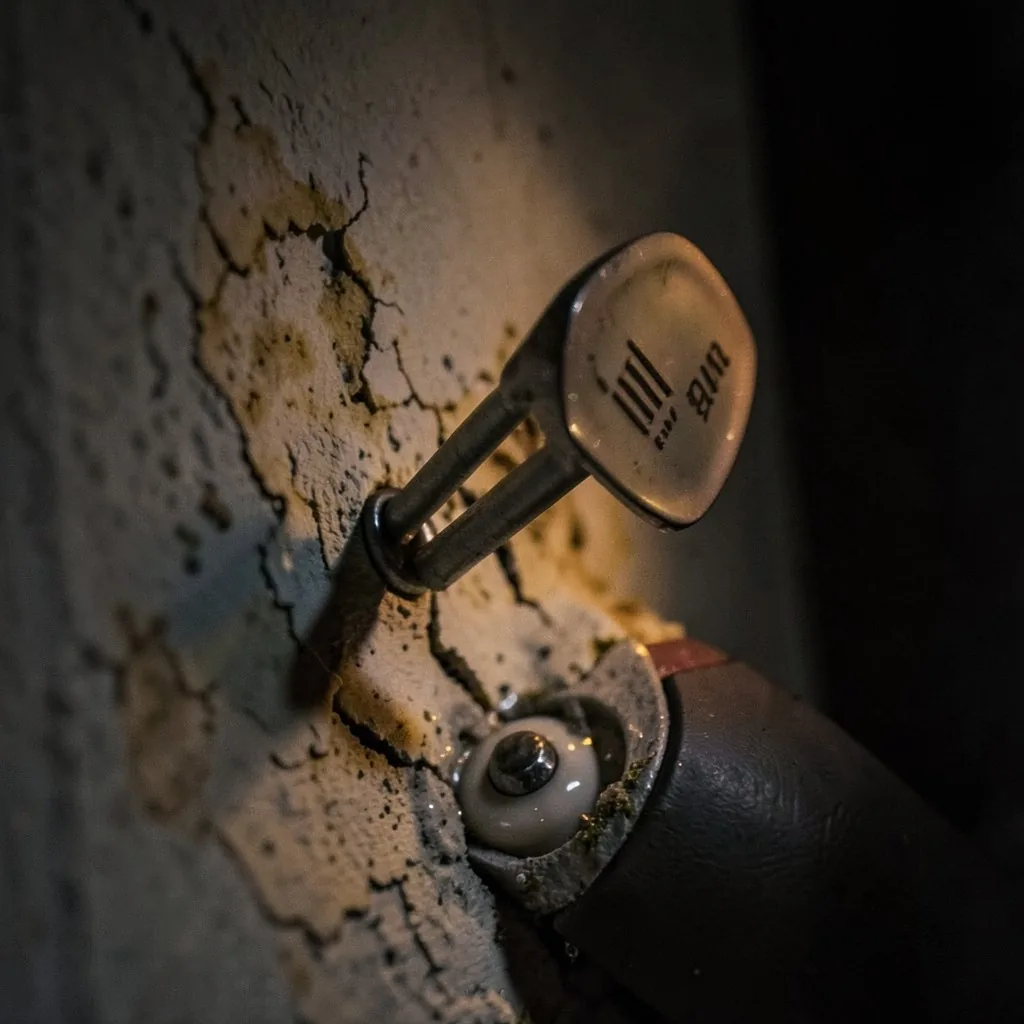
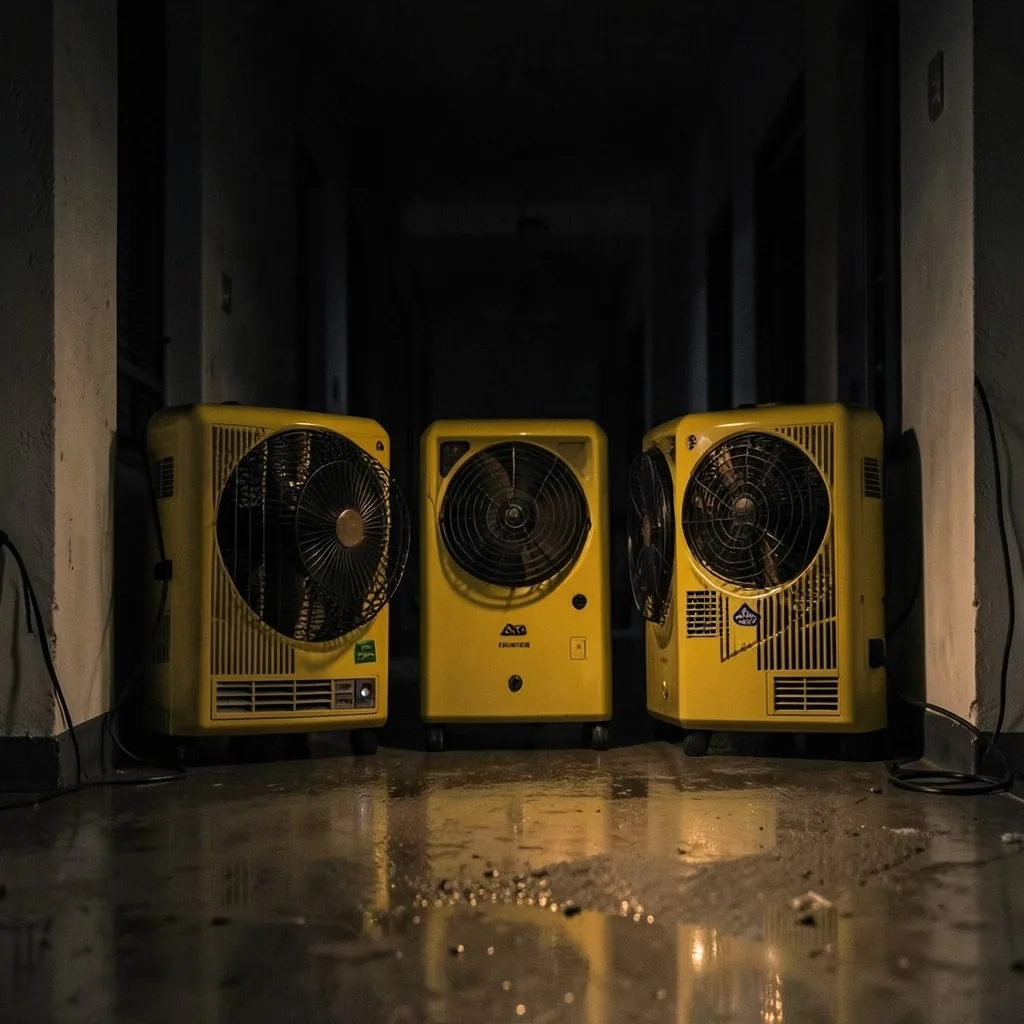
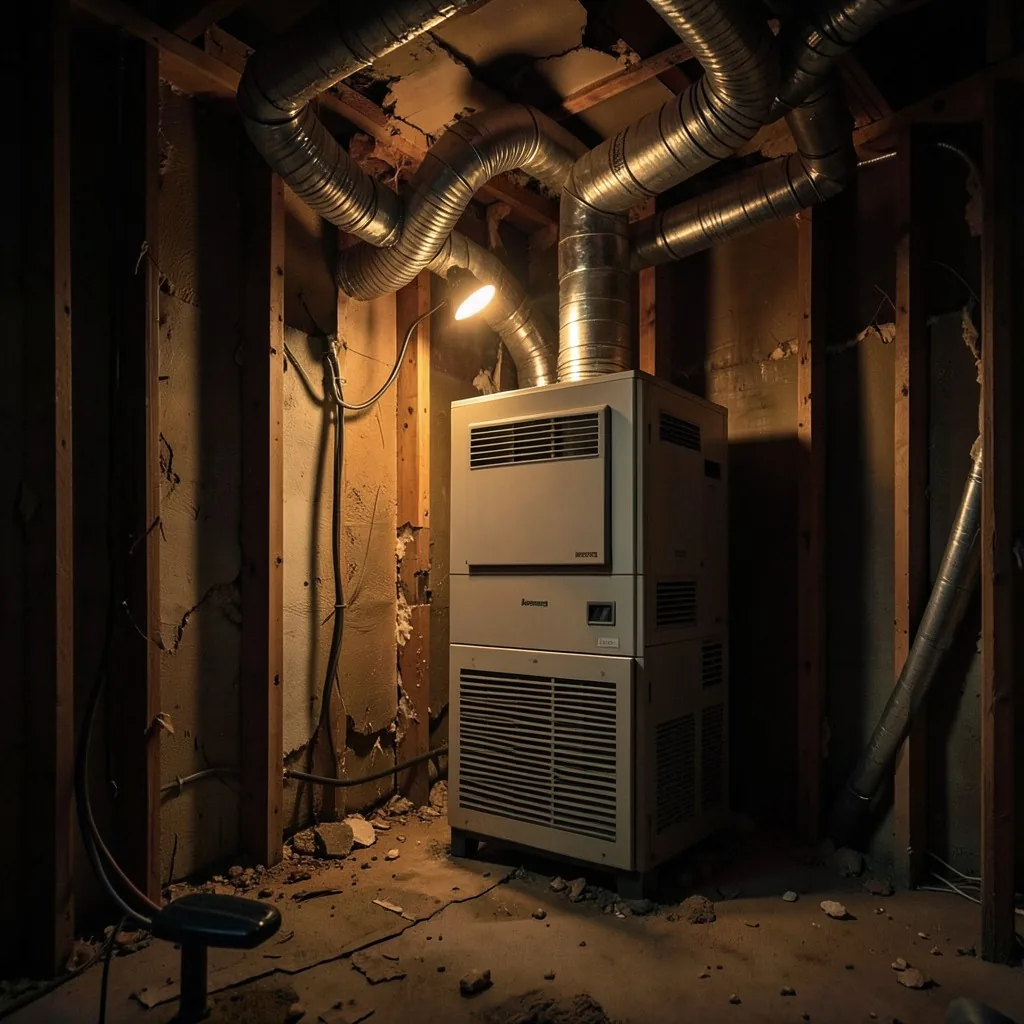
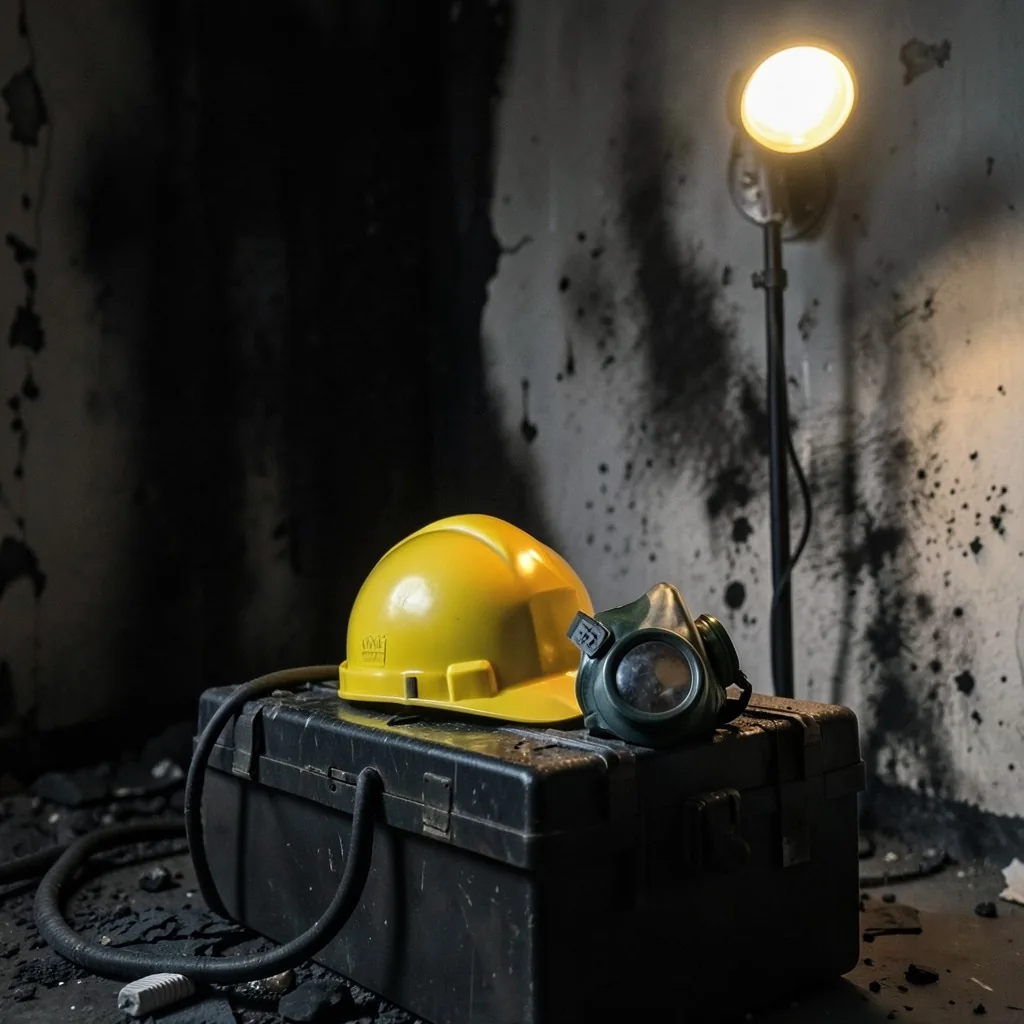
Salvage first, replace second — Alburgh crews clean and save what they can, and are clear about what has to go.
What standards do local crews work to?
Meters find what eyes miss
Thermal imaging and moisture meters trace saturation behind drywall and under flooring before a scope gets written.
Extraction starts the same visit
Standing water gets pulled the day a crew arrives, because migration into subfloor and framing only gets worse with delay.
Equipment sized to the loss
Dehumidifiers and air movers are calculated to the room’s volume, not dropped in at a guess.
A reading ends the job, not a calendar
Drying stops when readings match an unaffected baseline — logged for your file, not eyeballed.
Water spreading right now?
A vetted local crew can be on the way. One call, free to get matched.
(877) 438-0796 →Whether a water loss is covered depends entirely on your policy and the circumstances of the loss — sudden and accidental events are commonly paid, while damage from neglect or a long-term leak is often excluded. A local contractor’s job is to document the extent of the damage, not to decide or negotiate coverage on your behalf. Nothing here is insurance advice; treat it as background only, and confirm the specifics with your carrier before assuming anything is or isn’t covered. See our restoration insurance claims guide for the full process.
Water Damage Restoration in Alburgh — FAQ
Real answers on matching, cost, insurance, and getting a crew on site in Alburgh. Don't see yours? The phone works from any page.
● (877) 438-0796How fast can a crew reach Alburgh?
Because restoration is an emergency trade, crews serving Alburgh are dispatched around the clock. When you call, we route you to an available local contractor — often for same-day arrival. Response time depends on current demand, but the goal is to get a crew on site as quickly as possible.
Do you cover all of Alburgh?
Alburgh falls inside the coverage area for water damage, fire & smoke damage, through independent, IICRC-standard contractors vetted before they take a call there. Alburgh sits amid open-country parcels and unincorporated township land, so dispatch routes cover real distance between calls.
What causes most water damage in Alburgh?
In the northern freeze belt, the common triggers are frozen and burst pipes, ice dams and roof leaks, sump-pump failures and spring melt. The classic emergency here is the winter burst pipe — hundreds of gallons an hour, often discovered hours later, plus ice-dam roof leaks and spring-melt basement flooding. From Alburgh, dispatch reaches outward to Isle La Motte (7 mi) and Swanton (8 mi) without a change in coverage terms.
How much will water damage restoration cost in Alburgh?
Every Alburgh contractor prices independently based on the size and category of the loss, so we don't publish rates here. Matching is free, and the estimate comes straight from the contractor who inspects the job. Our cost guides cover what actually drives the number. Particleboard subfloor and masonite siding are common in Alburgh homes from this era, and both swell or delaminate fast once soaked.
What should be documented before drying starts?
Photographs of the loss in its original condition, a written description of the source, and initial moisture readings. This baseline record is what an adjuster compares against later, so documenting before extraction begins matters. A local Alburgh, VT contractor handles this end to end — no distant call center.
Does the water category affect my claim?
It can. IICRC S500 classifies water as clean, gray, or black, and a carrier's evaluation of covered scope often follows that classification since contaminated water requires more extensive removal. Your policy language controls the specifics. In Alburgh, the same standards apply whether the loss is large or small.
What if the adjuster's estimate doesn't match the scope of work?
A documented supplement — additional photos, moisture readings, and a written explanation of the added scope — is the standard way to reconcile a gap between the field estimate and what the loss actually required. Alburgh crews document the work with photos and readings for your records and your insurer.
Do the crews handle the rebuild too, or just cleanup?
Most Alburgh jobs go both ways: the same crew that stops the loss can also finish the rebuild, from framing and drywall through paint, so nothing gets handed off mid-project.
Is it really free to get matched?
Yes. Getting connected with a Alburgh restoration crew is free with no obligation. The contractor assesses the loss and gives you an estimate directly; the decision to proceed is entirely yours.
Are the Alburgh crews vetted?
Yes — the contractors serving Alburgh are independent, IICRC-standard operators, each responsible for their own credentials and cover. Ask to see them before anything starts; a legitimate crew expects the question.
Can one crew handle every kind of damage?
What's the difference between mitigation, remediation, restoration and repair?
These four words appear interchangeably in adverts and on invoices. They are not interchangeable, and the difference is usually where a Alburgh homeowner and a contractor end up disagreeing about scope.
Inspection is the measuring step, not the selling step. It maps how far water damage has travelled in the building, which is what a scope is then written from.
Mitigation means limiting the damage that has already started. It is the first crew on site in Alburgh, and it is measured in hours: stopping the loss getting worse before anything gets rebuilt. Because it prevents a bigger claim, it is the one phase insurers rarely want delayed while a scope is agreed.
Remediation (often written cleanup) is removing what cannot be saved and returning conditions to normal — extraction, removal of unsalvageable material, cleaning and drying to a documented standard. It is the phase where most of the actual labour sits, and where a scope either holds or expands.
Restoration is the umbrella: everything from the first emergency call to a finished room. Used strictly it includes both of the phases above.
Repair (or reconstruction) is the rebuild at the end — drywall, flooring, paint, cabinetry. It is a separate phase with its own schedule, and quotes frequently exclude it. Always ask which you are being quoted.
Pack-out covers your belongings rather than the building: boxing, cleaning and storing contents elsewhere while the property is worked on. Whether it is included is one of the larger swings between two Alburgh estimates.
Verification closes the job with evidence — readings and, where relevant, clearance results. A Alburgh contractor who cannot produce it at the end has given you a tidy room rather than a completed remediation, and the difference matters later.
The practical use of this: when you compare two Alburgh quotes, make both state the same boundaries — where removal stops, whether drying is included, whether verification is included, and whether the rebuild is in the number. Two prices only mean something once they describe the same job, and the lower one is very often the one that quietly stops at mitigation. If a quote does not say, ask before you sign rather than after.
Water Damage Restoration near Alburgh
Read up on water & flood.
Report the incident in Alburgh.
Give a brief account of the damage and a vetted local outfit responds. Where the situation is still developing, calling gets a faster answer.
- Being connected is free — walk away at any point
- Independent operators held to established restoration standards
- You deal with one firm — they set out the numbers themselves
Routed by locality, so whoever answers already works your neighborhood.
Your Alburgh crew is one call away.
Free to get matched, no obligation — the crew gives you the estimate directly.