Fire Damage Restoration
when you need it most.
A fire's damage doesn't stop when the flames are out. Smoke and soot stay chemically active — etching glass, corroding metal, and driving odor into porous materials throughout the structure, often in rooms the fire never reached. Fire damage restoration secures the property, cleans and deodorizes what can be saved, removes what can't, and rebuilds — usually with one crew from securing to move-back-in.
The damage continues after the flames are out
Fire damage restoration is the full recovery after a fire: securing the property, cleaning corrosive soot and smoke residue, removing odor, drying firefighting water, and rebuilding. One call routes you to a vetted local crew across 50 states.
A fire does its most visible harm quickly, but the aftermath keeps working on your home long after the last flame is gone. Soot residue is acidic and chemically active. Left alone, it etches metal, discolors grout and stone, corrodes appliance contacts, and yellows plastics and paint. What looks like surface grime is a reaction eating into finishes hour by hour.
Smoke behaves like a gas, so it does not stay in the burn room. It rides air currents into closets, drawers, wall cavities, and the HVAC system, depositing residue and odor far from the origin. That reach is why a small, contained fire can leave the whole house smelling of smoke, and why proper restoration addresses the entire path the smoke traveled.
- 0–60 MIN
It spreads
Soot etches surfaces; smoke odor sets in.
- 1–24 HRS
It worsens
Metal corrodes; contents stain.
- 24–48 HRS
Mold begins
Microbial growth can start.
- 2–7 DAYS
Structure at risk
Saturation weakens framing; odor sets in.
- 1 WEEK+
Rebuild territory
Extraction becomes gut-and-rebuild.
When to call.
Full-scope fire damage restoration.
- Emergency board-up and roof tarping to secure the property
- Soot and smoke residue cleaning from surfaces and contents
- Odor removal with HEPA vacuuming, thermal fogging, and deodorizing
- Water extraction and drying from firefighting efforts
- Contents cleaning and pack-out
- Structural repair and full rebuild
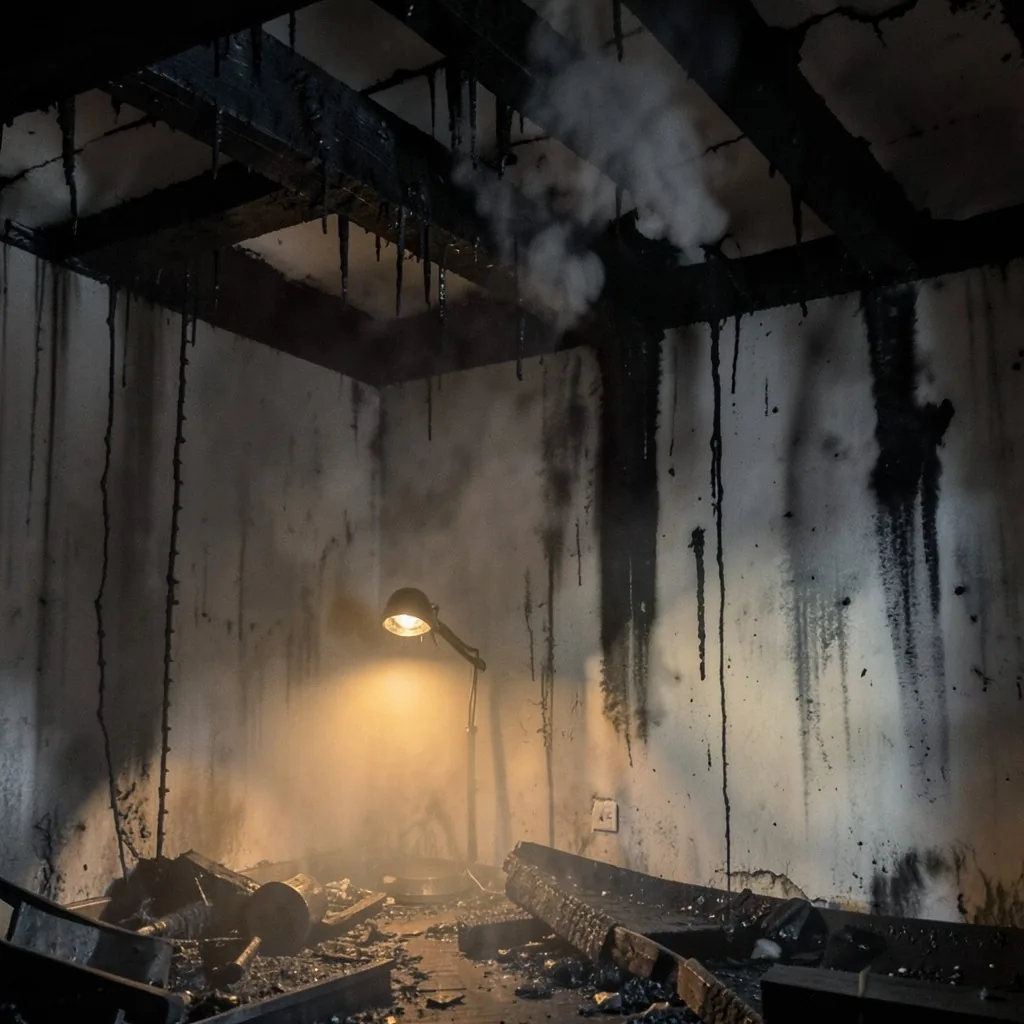
Reading the residue
Different materials burn in different ways, and each leaves a distinct type of residue. Identifying which one you are dealing with drives the cleaning method, because the wrong approach can smear residue deeper or set a stain.
Dry smoke residue
Produced by fast, high-temperature fires burning paper and wood. It is powdery and relatively loose, so it often lifts with dry methods, though it lodges easily into cracks and porous surfaces.
Wet smoke residue
Left by slow, smoldering, low-heat fires involving plastics and rubber. It is thick, sticky, and strong-smelling, smears when wiped, and demands careful solvent cleaning to remove without spreading.
Protein residue
Comes from burned food and cooking fires. Nearly invisible, it forms a greasy film that discolors paint and varnish and carries an intense, stubborn odor that lingers well after surfaces look clean.
Synthetic and fuel residue
Burning synthetics and oil-based materials leaves a dense, smeary black film. It clings to surfaces aggressively and typically requires specialized cleaning agents matched to the residue chemistry to fully release.
One line, a vetted local crew.
Board-up and stabilize first
Before cleanup begins, open windows, doors, and roof breaches are boarded and tarped. Securing the structure keeps out weather and intruders and prevents an already damaged property from taking on further loss.
Address firefighting water too
The water and foam used to put a fire out saturate floors, walls, and contents. Extraction and drying run alongside soot cleanup, because trapped moisture invites its own set of problems if it is ignored.
Match the method to the residue
Technicians clean surfaces using techniques chosen for the specific residue type, working from ceilings down. Correct sequencing lifts soot away instead of grinding it into finishes or driving stains permanently into porous materials.
Neutralize odor at the source
Smoke odor hides in materials and cavities, so surface spraying alone will not hold. Thermal fogging, air scrubbing, and sealing target the trapped particles that keep a house smelling burnt weeks later.
How it works.
Secure the property
Emergency board-up and roof tarping keep weather, animals, and intruders out while the loss is assessed. Securing the structure immediately prevents a second, avoidable loss on top of the fire damage.
Assessment
The crew determines what can be cleaned versus what must be removed across structure, contents, and systems, and inspects for smoke penetration well beyond the burned rooms. Everything salvageable is inventoried before anything is written off.
Water removal & drying
Water used to fight the fire is extracted and the structure dried, so a fire loss does not quietly become a water and mold loss. This step runs in parallel with securing and cleaning to save time.
Soot & smoke cleaning
Soot cleaning, HEPA vacuuming, thermal fogging, and specialized deodorizing address active residue and odor throughout the home, including inside the HVAC system. Because soot keeps etching and corroding, this work starts as soon as it is safe.
Restoration & rebuild
Because fire losses are often total or near-total in the affected rooms, the same crew typically carries the project through full structural rebuild. One accountable team means no gap between cleanup and reconstruction.
Every job is priced differently.
| Factor | Why it matters |
|---|---|
| Extent of structural fire damage | Charred framing and structure drive the biggest rebuild costs. |
| How far smoke and soot spread | Wider soot and odor means more cleaning and deodorizing. |
| Contents that must be cleaned or replaced | Salvaging contents costs less than replacing them. |
| Water damage from firefighting | Extraction and drying add a second discipline to the job. |
| Scope of deodorizing required | Heavier odor takes more fogging, sealing, and time. |
| Extent of the rebuild | Reconstruction of damaged rooms is priced separately from cleanup. |
Contractors set their own rates and quote you directly — see our cost guides for detail. No pricing is shown here.
The gear that dries, secures, and restores.
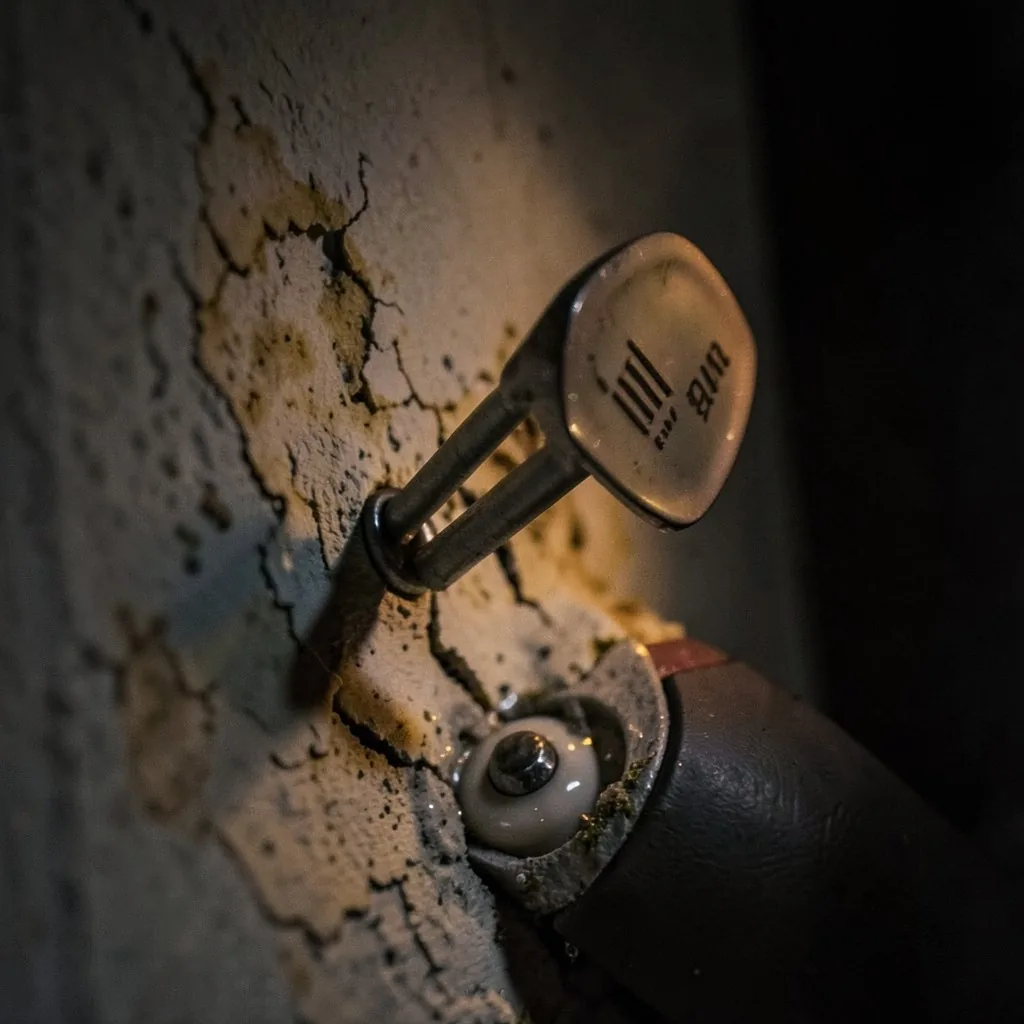
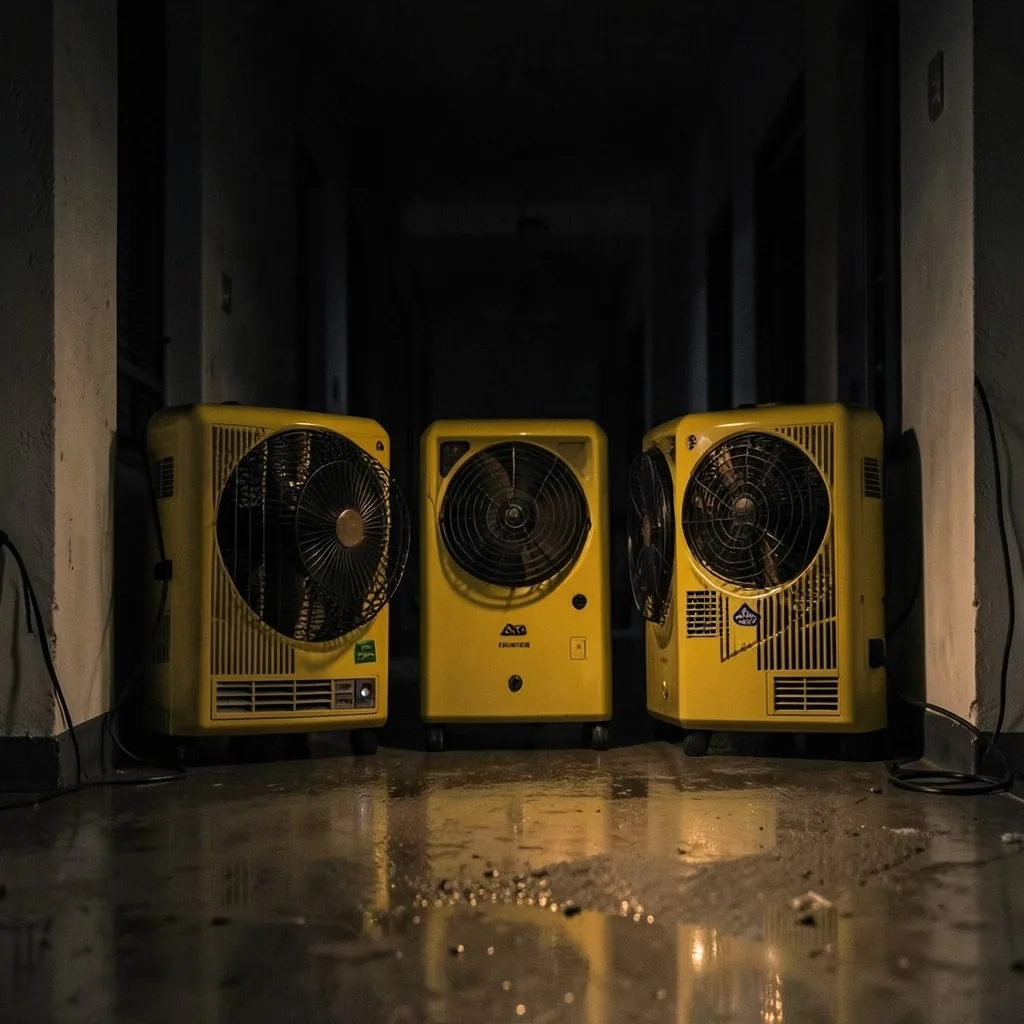
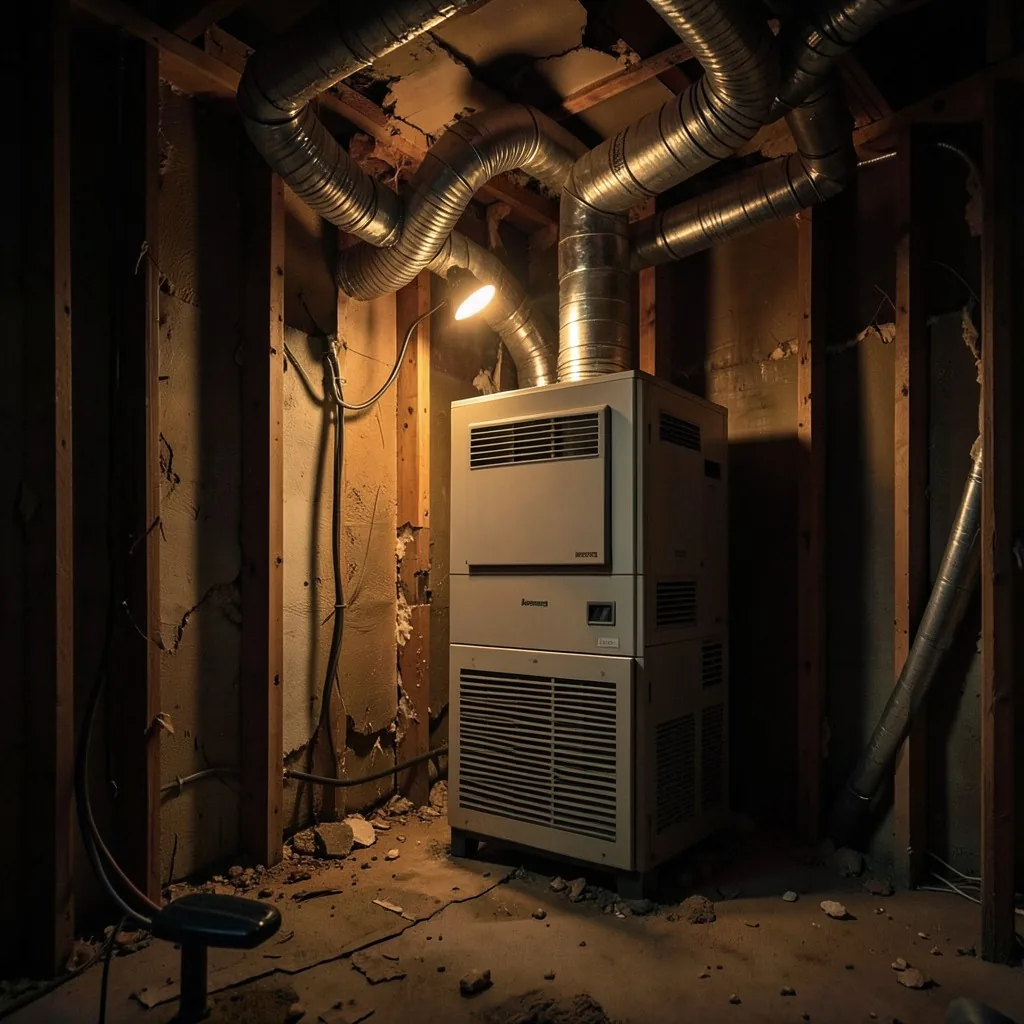
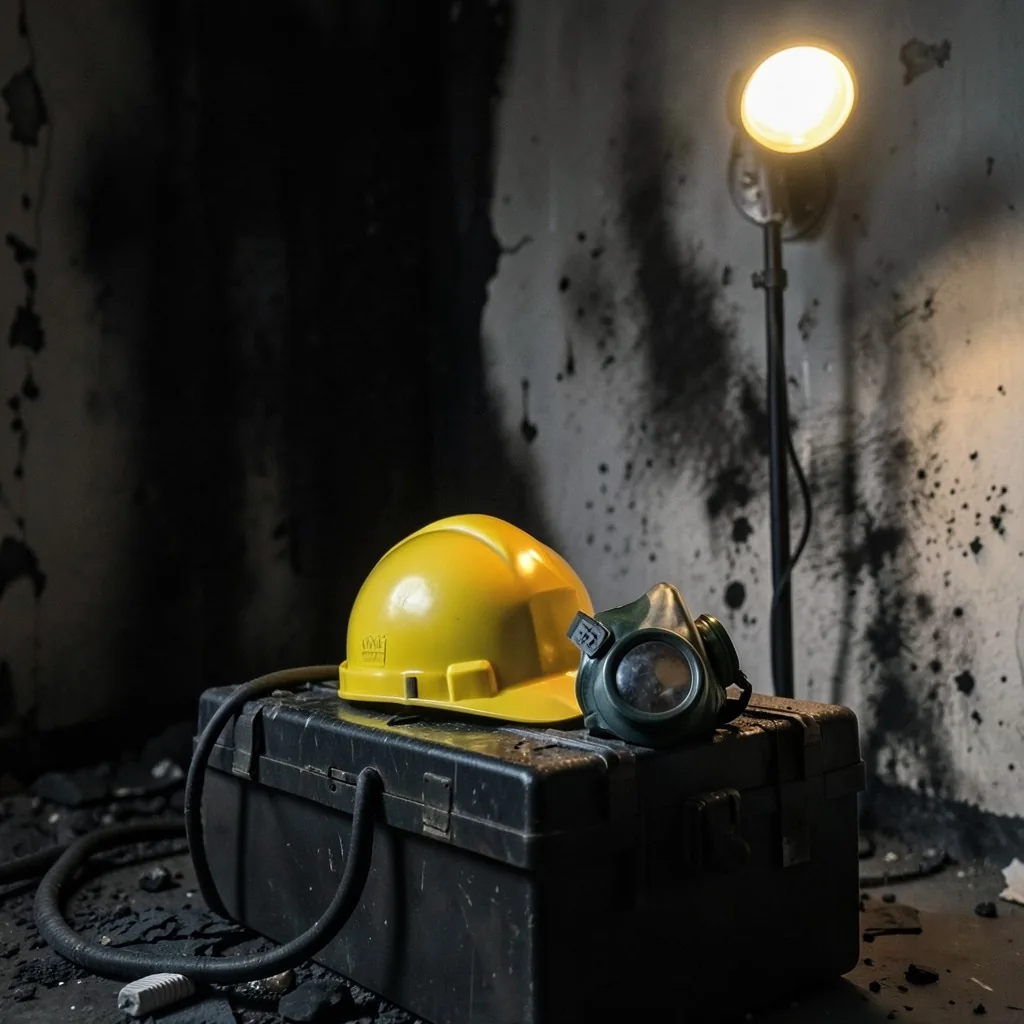
Salvage first, replace second — crews clean and save what they can, and are clear about what has to go.
Fire & Smoke services we route.
Smoke & Soot Removal
Soot cleaning, thermal fogging, and odor removal from surfaces, contents, and HVAC.
Get matched →Emergency Board-Up & Tarping
Immediate securing of openings and roofs to prevent further loss and weather intrusion.
Get matched →Contents Pack-Out & Restoration
Inventory, pack out, clean, and store belongings off-site after a fire or water loss, then return them.
Get matched →Kitchen Fire Cleanup
Degrease, clean, and deodorize a kitchen after a cooking fire leaves greasy soot and a stubborn burnt odor.
Get matched →Electrical Fire Cleanup
Safety-first cleanup of corrosive plastic soot and odor after a fire in wiring, an outlet, or the panel.
Get matched →Furnace Puffback Cleanup
Remove the oily black soot an oil-furnace puffback sprays through the home, then clean the ducts and deodorize.
Get matched →Fire or smoke damage right now?
A vetted local crew can be on the way. One call, free to get matched.
(800) 555-0134 →How fire restoration is done right
The property is assessed and secured, then technicians separate what is salvageable from what is not. Cleaning moves methodically through the structure and contents, matched to the residue types present, while firefighting water is extracted and dried. Odor work is treated as its own discipline rather than an afterthought, because smoke penetration is the part homeowners most often underestimate.
Quality crews follow the IICRC S700 standard for fire and smoke restoration, the recognized reference for the trade. Working to that standard means residue is identified before cleaning, methods are chosen deliberately, and deodorization addresses the full path the smoke traveled. Done properly, the goal is a home that is clean, structurally sound, and genuinely free of smoke odor.
Fire and smoke damage is among the most commonly covered perils on a homeowners policy, and claims often involve both fire loss and the water used to extinguish it. From the outset, restoration teams document conditions with photographs and detailed scopes covering structure, contents, and odor, which builds an organized record of the loss. Crews routinely communicate with your adjuster and provide that documentation as the claim moves forward. Coverage decisions rest with your insurer and the terms of your policy. Thorough documentation does not change what is covered; it simply ensures the damage and the restoration work are accurately represented.
Fire Damage Restoration — FAQ
Real answers on matching, cost, insurance, and getting a crew on site. Don't see yours? The phone works from any page.
● (800) 555-0134Why does smoke damage spread beyond the fire?
Smoke travels through the structure and settles as soot on surfaces far from the flames, and its odor penetrates porous materials. That is why professional cleaning and deodorizing often covers the whole home, not just the burned rooms.
Can smoke odor be fully removed?
In most cases, yes — with the right combination of source removal, HEPA filtration, thermal fogging, and sealing. Odor that lingers usually means a soot source was missed, which a thorough crew tracks down.
Should I re-enter a fire-damaged home?
Not until the fire department clears the structure as safe. Soot is an irritant and structural elements may be compromised — wait for the all-clear before going back in.
Is it free to get matched with a fire damage restoration crew?
Yes. Getting matched is free and carries no obligation. The contractor assesses the damage and gives you the estimate directly, and you're welcome to compare it against other bids before you decide.
How does the matching work?
One call — or the online form — routes your request to a vetted, independent local contractor whose service area covers your ZIP code, not a distant call center. You reach a crew that already works your area, so a local pro can get to you quickly.
Do I have to hire the contractor you match me with?
No. There's no obligation to hire anyone. Matching simply connects you with a qualified local crew; the decision — and the agreement for any work — is entirely between you and the contractor.
Will my insurance cover fire or smoke damage?
That depends on your policy and your insurer. Sudden, accidental losses are commonly covered, while gradual damage is often limited. Crews document the loss with photos and readings, which creates a clear record — but coverage decisions rest with your carrier. This is general information, not insurance advice.
Are the fire damage restoration contractors licensed and insured?
Each contractor in the network is an independent business responsible for its own licensing and insurance. Confirm the license number and insurance certificate directly with the contractor before work begins — every legitimate pro expects the question.
Fire Damage Restoration in top markets.
Read up on fire damage restoration.
Describe the damage.
Tell us what happened and a vetted local contractor reaches out. For an active emergency, calling is faster.
- Free to get matched — no obligation, ever
- Vetted, IICRC-standard local crews
- One local pro — the contractor quotes you directly
A crew that works your ZIP — not a distant call center.
Recovering from a fire is as much about the invisible aftermath as the visible char. Corrosive soot, migrated smoke, and firefighting water each need their own response, handled in the right order. A structured restoration that secures the property, cleans by residue type, and eliminates odor at the source is what returns a house to a place that looks, feels, and smells like home again.
One call. A vetted local crew.
Free to get matched, no obligation — the contractor gives you the estimate directly.