Burst Pipe Cleanup
when you need it most.
Fast extraction and structural drying after a burst or frozen pipe floods the home. One call routes you to a vetted, IICRC-standard local crew — free to get matched, no obligation.
Why the first hours decide everything
A burst pipe is one of the fastest-moving losses a home can take. A failed supply line or a frozen run that splits open can push hundreds of gallons an hour into the structure, and gravity carries that water down through floors and along framing long before you can shut the main. What you mop up is a fraction of what actually got wet — the rest is hiding in wall cavities.
Water spreads faster than most people expect. Within minutes it wicks up drywall, slips under baseboards, and pools in cavities you cannot see. The longer it sits, the further it travels and the more materials it ruins. Acting quickly is the single biggest factor in whether flooring, framing, and cabinetry can be saved rather than torn out and rebuilt.
There is a drying clock running from the moment the water arrives. Around the first day, saturated materials begin to swell and delaminate; not long after, microbial growth becomes a real concern in warm, damp conditions. Rapid extraction and controlled drying stop that clock. Every hour you compress the response, you shrink the eventual scope of the repair.
- 0–60 MIN
It spreads
Water wicks into flooring and walls.
- 1–24 HRS
It worsens
Drywall and trim swell and warp.
- 24–48 HRS
Mold begins
Microbial growth can start.
- 2–7 DAYS
Structure at risk
Saturation weakens framing; odor sets in.
- 1 WEEK+
Rebuild territory
Extraction becomes gut-and-rebuild.
When to call.
Full-scope burst pipe cleanup.
- Locate and stop or isolate the failed line before cleanup begins
- Extract standing water from floors, cabinets, and finished spaces
- Open and dry wall cavities where water has wicked out of sight
- Set air movers and dehumidifiers on a monitored drying plan
- Pull and dispose of soaked carpet, pad, and unsalvageable drywall
- Antimicrobial treatment and rebuild of the affected rooms
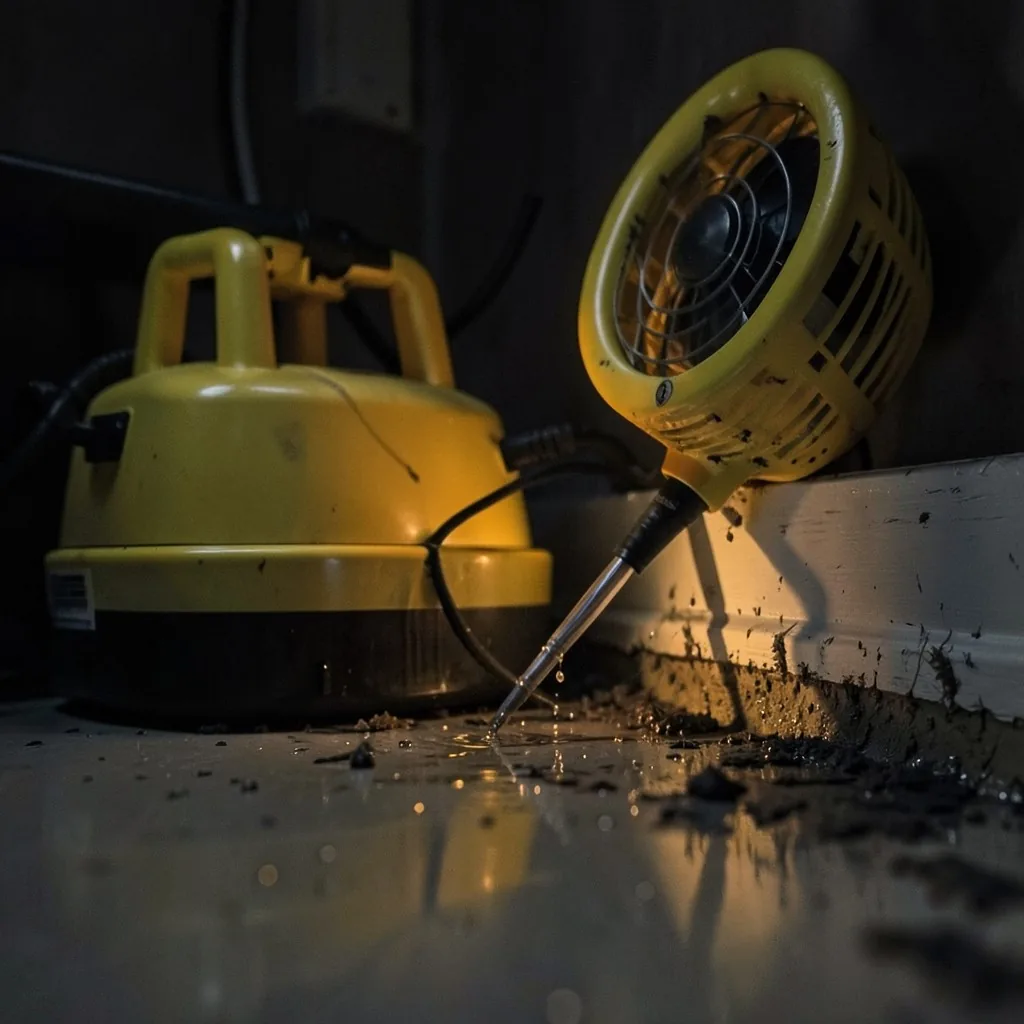
Not all water is the same
Restoration professionals sort water losses into three categories, because the source dictates how the water is handled, what can be salvaged, and how the space must be cleaned afterward.
Category 1 — Clean water
Comes from a sanitary source like a supply line, a burst pipe, or an overflowing tub. It carries no contaminants at first, so many wet materials can be dried in place if the response is fast.
Category 2 — Grey water
Discharge from appliances such as dishwashers and washing machines, or a toilet overflow without solids. It contains some contamination, so porous materials that soaked it up often need removal rather than drying.
Category 3 — Black water
Grossly unsanitary water from sewage backups, rising floodwater, or storm surge. It carries harmful contaminants, requires protective handling, and usually means porous materials it touched are removed and discarded.
Hidden and migrated moisture
Clean water left standing degrades over time, and any water travels into wall cavities, under subfloors, and behind cabinets. Meters and thermal imaging find the moisture that surface inspection misses entirely.
One line, a vetted local crew.
Standing water out first
Truck-mounted and portable extractors pull free water from floors and carpet before drying begins. Removing bulk water early is far more effective than trying to evaporate it later with air movers alone.
Find the moisture you cannot see
Moisture meters and infrared cameras map how far water has traveled inside walls, ceilings, and subfloors. Drying only what is visible leaves wet pockets behind that quietly cause warping and odor.
Dry back to a real target
Air movers and dehumidifiers are placed by calculation, not guesswork, and materials are dried until readings match a documented dry standard for the building. Daily monitoring confirms progress rather than assuming it.
Crews dispatched around the clock
Water losses do not wait for business hours, and neither does the drying clock. A fast dispatch means extraction and airflow start sooner, which is what keeps a manageable event from turning into a rebuild.
How it works.
Stop the water
The crew isolates the burst line or confirms the main is off, so no more water is entering while the cleanup runs. Nothing else matters until the flow has stopped.
Extract the standing water
Truck-mount and portable extractors pull the bulk water fast, before it migrates deeper into subfloor and lower levels. Speed here decides how much material survives.
Open the hidden moisture
Meters and thermal imaging show where water has tracked inside walls and under cabinets; those cavities are opened so trapped moisture can actually dry. Skipping this is what turns a pipe break into a mold job.
Dry to standard
Air movers and dehumidifiers run on a documented plan, with daily readings logged until framing and substrate hit a verified dry standard rather than a dry surface.
Repair and restore
With the structure confirmed dry, drywall, flooring, and finishes are rebuilt by the same crew, so there is no hand-off gap between drying and reconstruction.
Every job is priced differently.
| Factor | Why it matters |
|---|---|
| Gallons released and how far they traveled | A pipe running unnoticed wets far more structure than one caught in minutes. |
| How many wall cavities have to be opened | Hidden moisture behind walls takes controlled demolition and targeted drying. |
| Number of levels affected | Water dropping to a lower floor doubles the area needing extraction and drying. |
| Days of drying equipment on site | Saturated framing needs more air movers and dehumidifier time to reach standard. |
| Porous materials that cannot be saved | Soaked carpet, pad, and drywall are removed and replaced rather than dried. |
Contractors set their own rates and quote you directly — see our cost guides for detail. No pricing is shown here.
The gear that dries, secures, and restores.
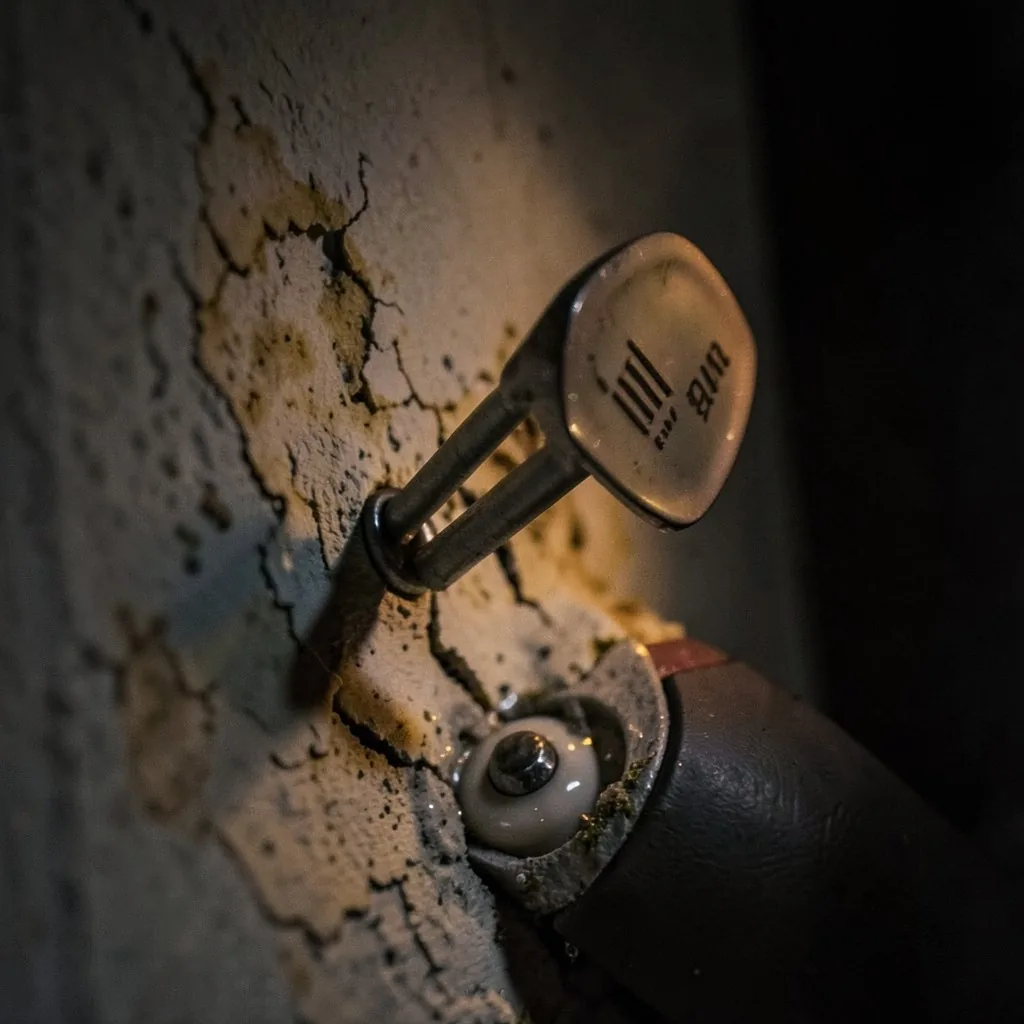
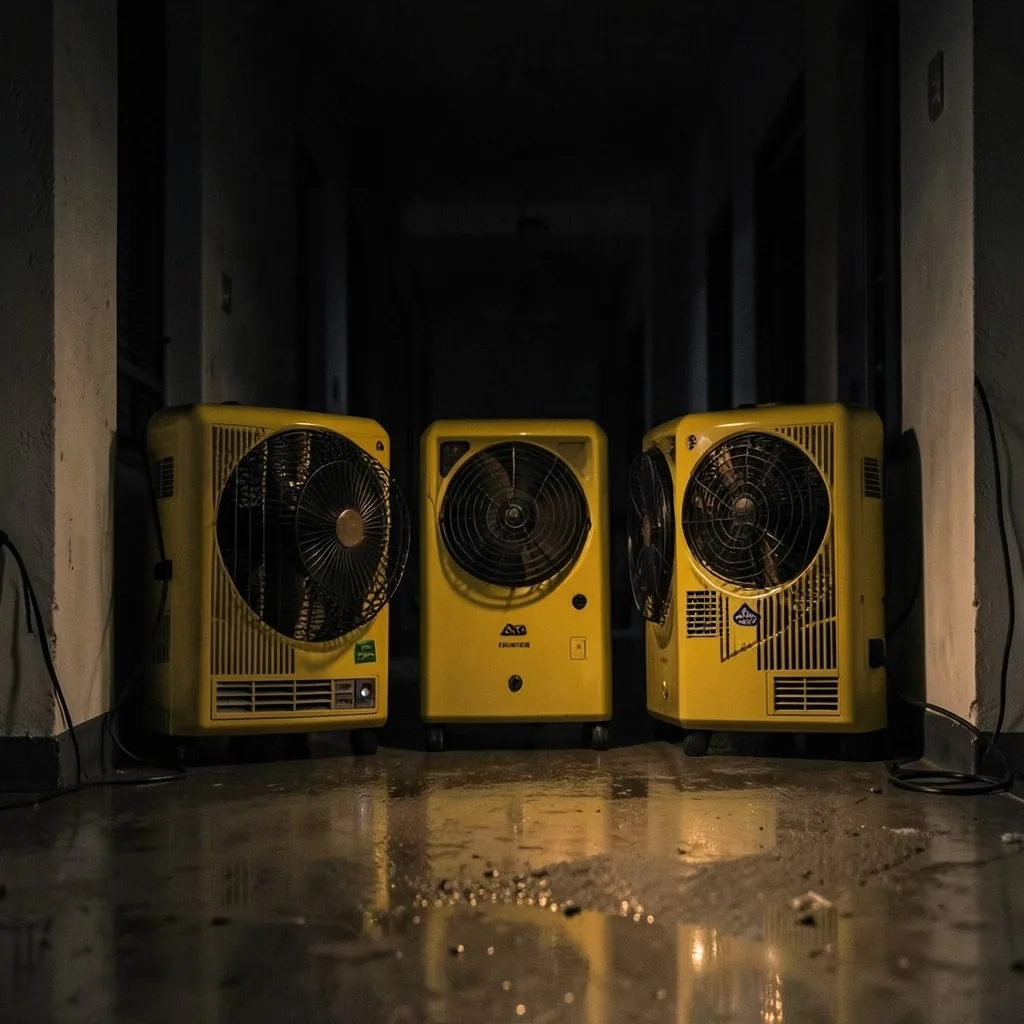
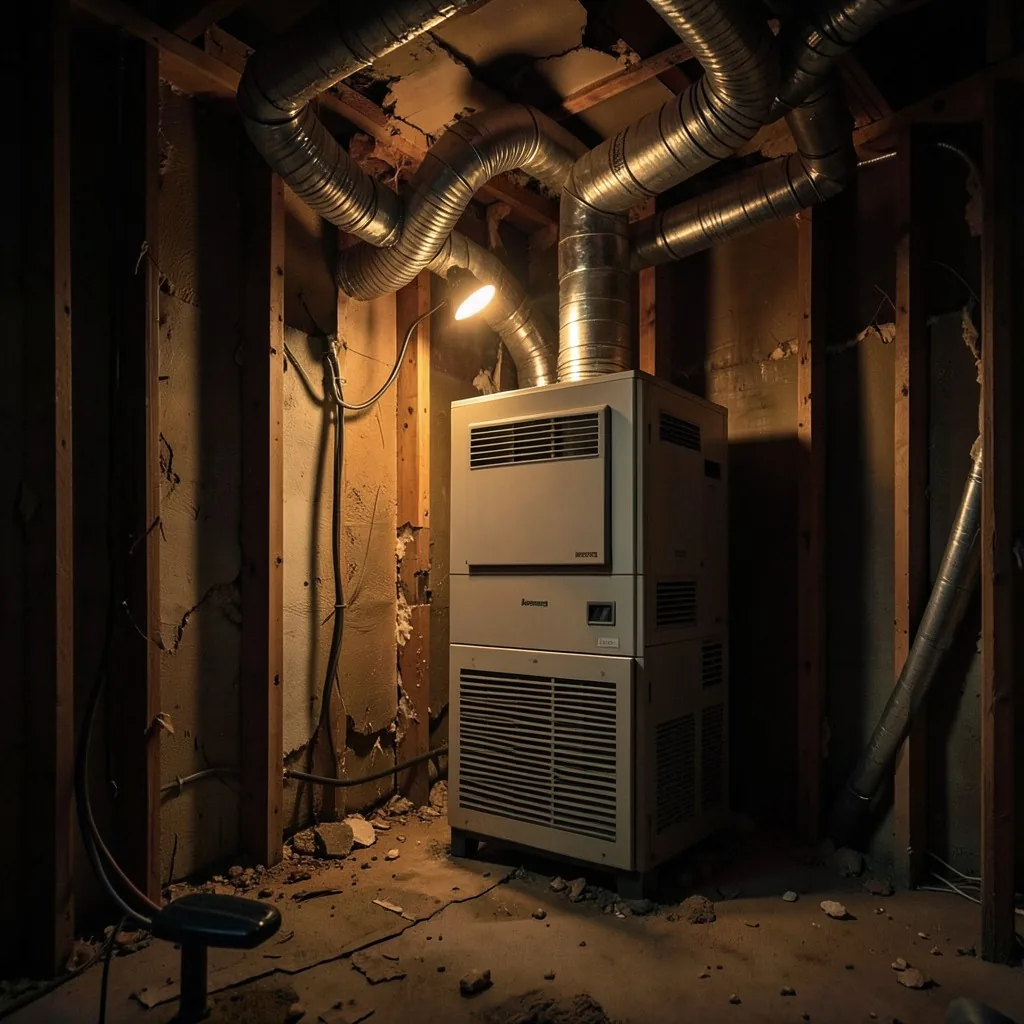
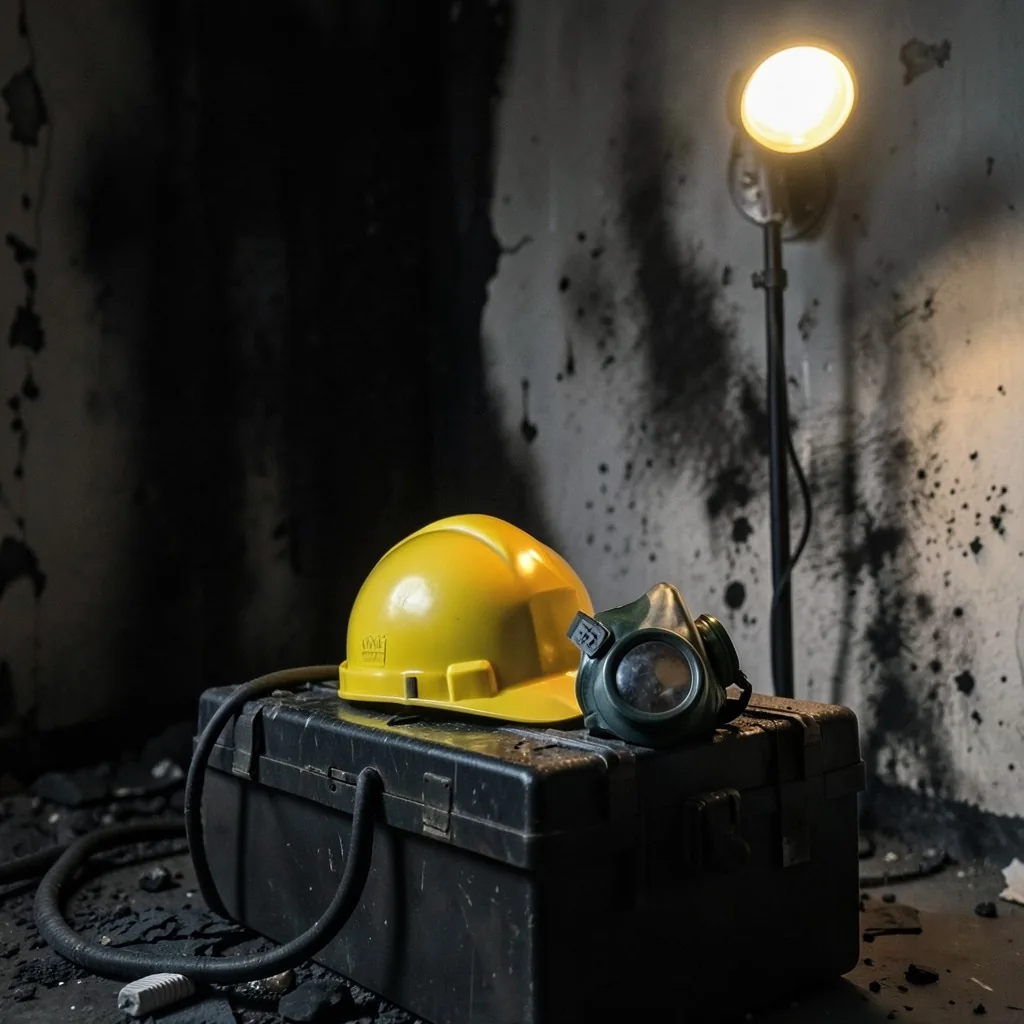
Salvage first, replace second — crews clean and save what they can, and are clear about what has to go.
Water damage right now?
A vetted local crew can be on the way. One call, free to get matched.
(800) 555-0134 →What a professional response looks like
A technician inspects the loss, traces the source, and classifies the water before anything is torn out. Free water is extracted, wet contents are moved or protected, and drying equipment is positioned based on the size and saturation of the affected area. You get a clear picture of what is wet and what the plan is to dry it.
Reputable crews work to the IICRC S500 standard, the widely recognized reference for water damage restoration. That means moisture readings are logged, equipment stays in place until the structure hits its documented dry goal, and the job is verified with instruments rather than a hand on the wall. The result is drying you can actually confirm.
Sudden and accidental water damage, like a burst pipe or a failed appliance line, is a common homeowners claim. Restoration crews document the loss from the start with photographs, moisture readings, and daily drying logs, which creates a clear record of the damage and the work performed. In practice, crews frequently coordinate directly with your adjuster and share that documentation. What is ultimately covered is determined by your policy language and your insurer, not the restoration company. Keeping thorough records simply gives everyone an accurate account of what happened and what was done.
Burst Pipe Cleanup — FAQ
Real answers on matching, cost, insurance, and getting a crew on site. Don't see yours? The phone works from any page.
● (800) 555-0134Why open the walls if the floor looks dry?
Because water from a burst supply line wicks up into drywall and out along framing where a surface mop never reaches. Left closed, those cavities stay wet, and wet cavities grow mold within a day or two — opening and drying them is the whole point.
My pipe froze and split — is that different?
The cleanup is the same, but a frozen split often releases water for hours before anyone notices, so the wetted area tends to be larger. The crew also checks nearby runs for additional freeze damage while addressing the one that failed.
Will a burst pipe be covered by insurance?
Sudden and accidental pipe failures are commonly treated as covered events, while damage tied to long-neglected maintenance is often not. That is general information only — your insurer and your policy language decide coverage, not us.
How fast do you need to be on site?
As fast as possible. The first 24 to 48 hours drive the outcome: quick extraction and drying is the single biggest factor in how much of the home can be saved rather than torn out and rebuilt.
Is it free to get matched with a burst pipe cleanup crew?
Yes. Getting matched is free and carries no obligation. The contractor assesses the damage and gives you the estimate directly, and you're welcome to compare it against other bids before you decide.
How does the matching work?
One call — or the online form — routes your request to a vetted, independent local contractor whose service area covers your ZIP code, not a distant call center. You reach a crew that already works your area, so a local pro can get to you quickly.
Do I have to hire the contractor you match me with?
No. There's no obligation to hire anyone. Matching simply connects you with a qualified local crew; the decision — and the agreement for any work — is entirely between you and the contractor.
Will my insurance cover water damage?
That depends on your policy and your insurer. Sudden, accidental losses are commonly covered, while gradual damage is often limited. Crews document the loss with photos and readings, which creates a clear record — but coverage decisions rest with your carrier. This is general information, not insurance advice.
Are the burst pipe cleanup contractors licensed and insured?
Each contractor in the network is an independent business responsible for its own licensing and insurance. Confirm the license number and insurance certificate directly with the contractor before work begins — every legitimate pro expects the question.
Burst Pipe Cleanup in top markets.
Read up on burst pipe cleanup.
Describe the damage.
Tell us what happened and a vetted local contractor reaches out. For an active emergency, calling is faster.
- Free to get matched — no obligation, ever
- Vetted, IICRC-standard local crews
- One local pro — the contractor quotes you directly
A crew that works your ZIP — not a distant call center.
Water damage rewards a fast, methodical response and punishes a slow one. The sooner extraction starts and controlled drying takes over, the more of your home stays intact and the smaller the eventual repair. If you are dealing with an active leak, a flooded room, or a soaked floor you are not sure is fully dry, calling for professional help early is the move that protects the structure.
One call. A vetted local crew.
Free to get matched, no obligation — the contractor gives you the estimate directly.