Fire Damage Restoration in
Calais, VT
Fire Damage Restoration in Calais, Vermont is an emergency — and speed decides how much you save. We connect you with an independent, IICRC-standard restoration contractor who works Calais — on site fast, with mitigation through full rebuild.
These Calais counts originate with the Census Bureau — boundary and land data published 2023, household and dwelling averages sampled across five years to 2022. Distances are point to point.
Why does every hour of delay cost more?
Fire damage restoration in Calais, VT is the full recovery after a fire: securing the property, cleaning corrosive soot and smoke residue, removing odor, drying the water used to extinguish the fire, and rebuilding the damaged structure.
- 0–60 MIN
Residue is active
Soot is chemically active and begins reacting with surfaces on contact.
- 1–24 HRS
Odor deepens
Smoke odor starts driving into porous materials like fabric and drywall.
- 24–48 HRS
Air quality dips
Airborne soot particulates and lingering odor compounds affect indoor air quality.
- 2–7 DAYS
Contaminant load rises
Odor compounds embedded this deep are harder to remove from porous materials.
- 1 WEEK+
Air quality crisis
A week of embedded soot and odor leaves indoor air quality substantially degraded.
When should you call a crew in Calais?
What does fire damage restoration in Calais involve?
- Room-by-room inventory and photo documentation of contents before removal
- Pack-out and transport of belongings to an off-site processing facility
- Salvage assessment separating restorable items from those that must be discarded
- Specialized cleaning for textiles, upholstery, and electronics
- Climate-controlled storage for restored items until move-back-in
- Return and placement of belongings once the structure is ready
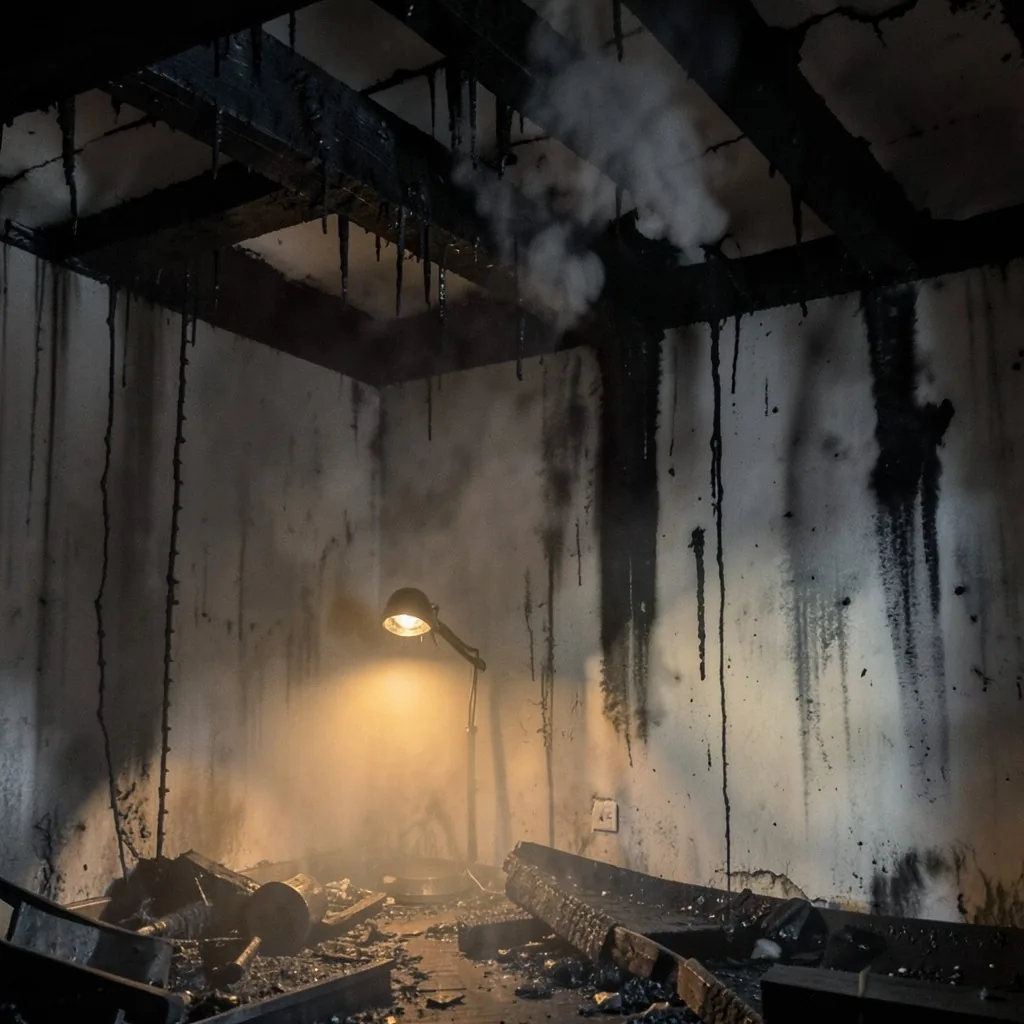
How do Calais crews handle it?
Perimeter securing
Openings from burned-through doors, blown windows, and roof breaches are covered with plywood and tarping within hours of the loss, closing off the structure to weather, animals, and intruders. This single step prevents the largest source of secondary, avoidable loss.
Structural triage
Before deeper work begins, load-bearing walls, framing, and roof structure are checked for fire-weakened sections that make re-entry unsafe. Anything compromised gets shored or flagged off-limits until reconstruction addresses it.
Access and egress planning
Work crews need a controlled path in and out that does not track soot through unaffected areas, so entry points, staging areas, and egress routes are set before cleanup equipment arrives.
Sequenced reconstruction
Framing repairs happen first, then insulation, drywall, and systems, then finishes — in that order, because starting finish work before structural repairs are complete means redoing it. The same accountable party carries the sequence end to end.
Final walkthrough
Before the property is handed back for occupancy, a punch list confirms every secured opening is now a finished opening, systems are functional, and no temporary weatherproofing remains in place.
What should you do in the first 60 minutes?
- Account for everyone and get clear of the structure first.
- Stay out until the fire department gives an all-clear — smoldering pockets can reignite.
- Leave caustic soot where it sits; wiping or brushing it just works the residue deeper into the surface.
- Take photos and video of the damage before anything gets touched or moved.
- Line up a restoration contractor quickly — corrosive residue keeps working the longer it’s left alone.
- Call for professional mitigation in Calais — the sooner a crew starts, the less is lost.
- Don’t re-enter until the structure is cleared as safe.
- Don’t run the HVAC — it spreads soot house-wide.
- Don’t attempt to clean smoke residue with household cleaners.
- Don’t throw damaged items away before they’re documented for your claim.
What drives fire damage in Calais?
Heating-season fires — furnaces, space heaters, and chimneys — are the seasonal fire risk. Water losses spike in deep winter, when a pipe can freeze, split, and flood a home before anyone is home to notice. The most common triggers around Calais include frozen and burst pipes, ice dams and roof leaks, sump-pump failures and spring melt. A crew that already works the northern freeze belt knows these failure modes and exactly what hidden damage to check for — the moisture behind a Calais wall, the soot in a duct, the mold under a floor that a generalist would miss. Calais sits within a short drive of East Calais (3 mi) and Adamant (3 mi), all inside the same response radius.
Beyond Calais itself, routing reaches Adamant, Montpelier, Cabot, Barre, Waterbury, Cambridge, Belvidere Center, Bakersfield, Bristol, Burlington, Charlotte, and Colchester and other Vermont towns nearby.
Why is every Calais job priced differently?
| Factor | Why it matters |
|---|---|
| Total volume of contents requiring pack-out | More items mean more boxing, transport, and inventory labor. |
| Proportion of items classified restorable versus unrestorable | Cleaning costs less than the documentation and disposal of a total loss. |
| Categories of specialized cleaning required | Textiles, electronics, and furniture each require different cleaning processes. |
| Length of time items remain in off-site storage | Longer storage periods add to the overall duration of the claim. |
| Whether electronics need corrosive-soot cleaning internally | Internal cleaning of electronics is more involved than surface wiping. |
| Complexity of the return and placement process | Larger inventories take longer to match back to their original rooms. |
Contractors set their own rates and quote you directly — see our cost guides for detail. No pricing is shown here.
What equipment does the work actually require?
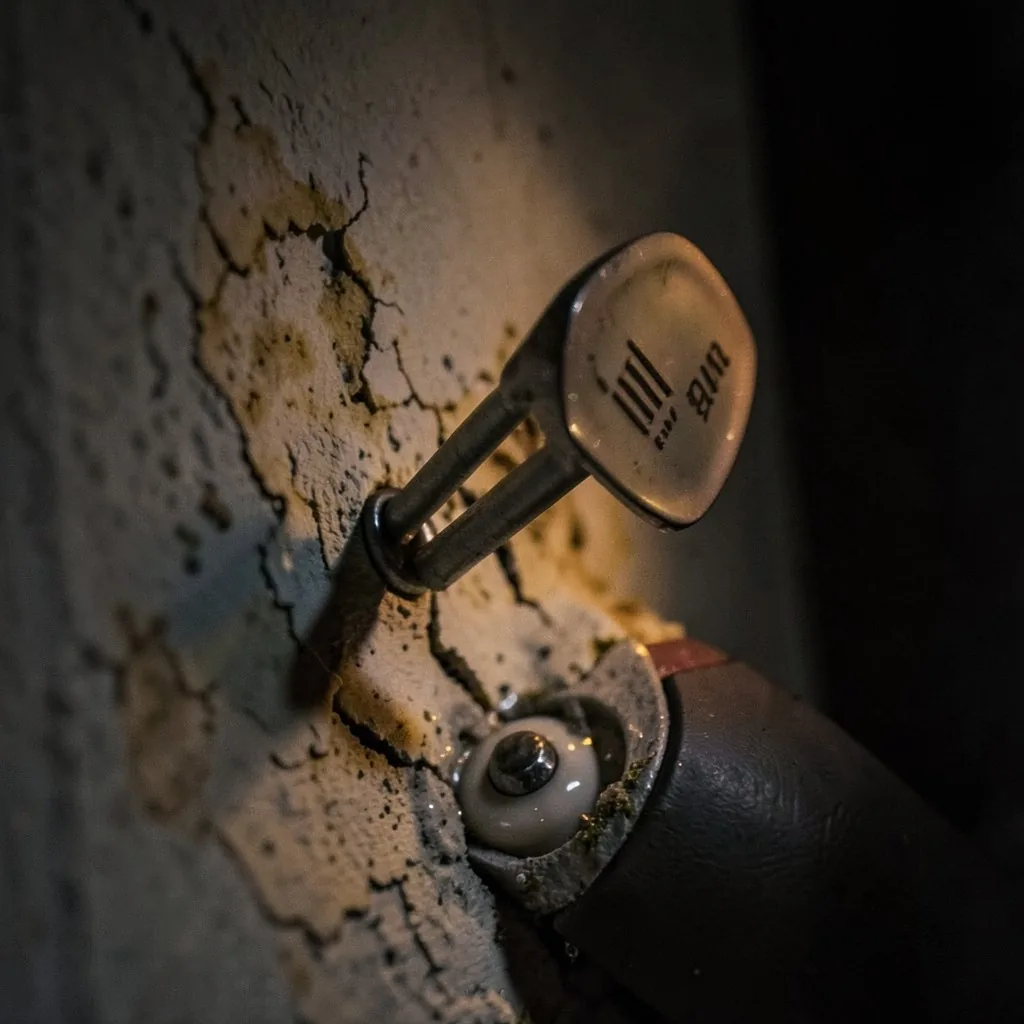
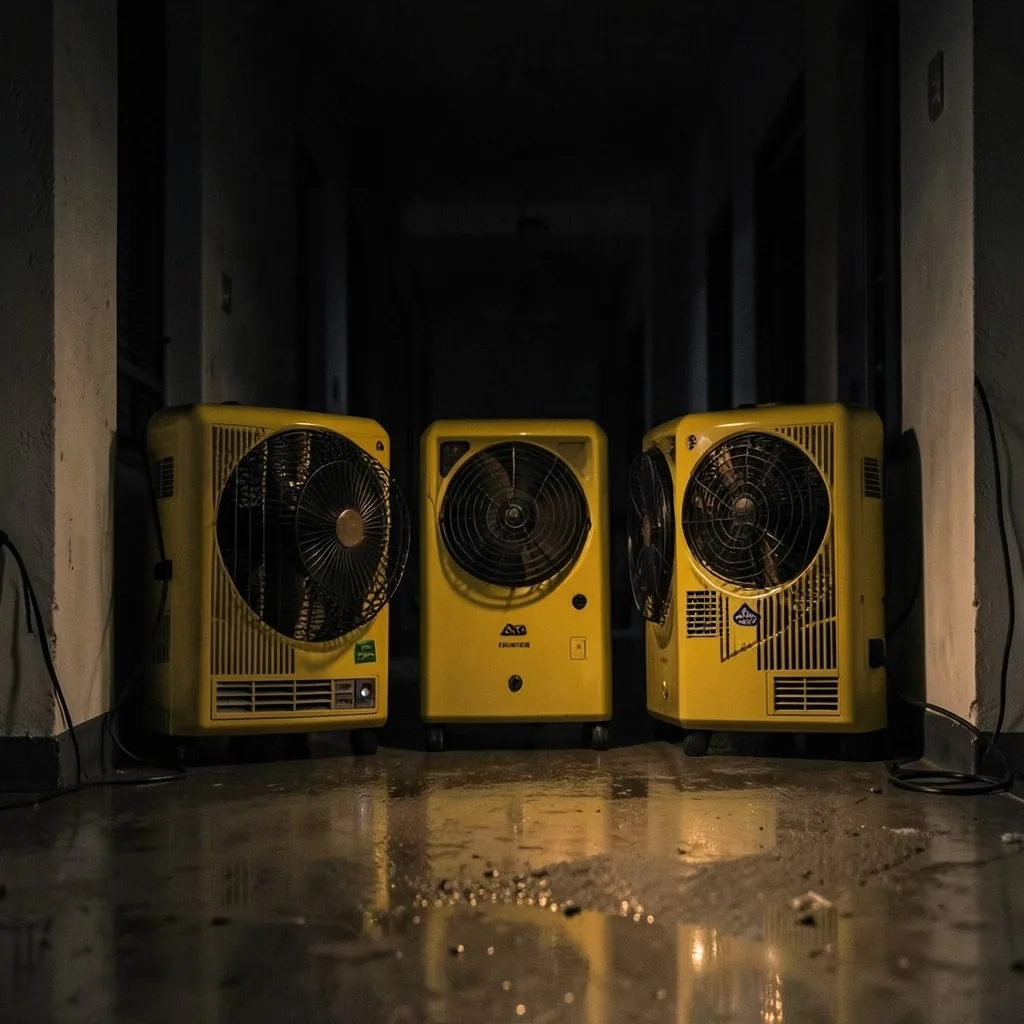
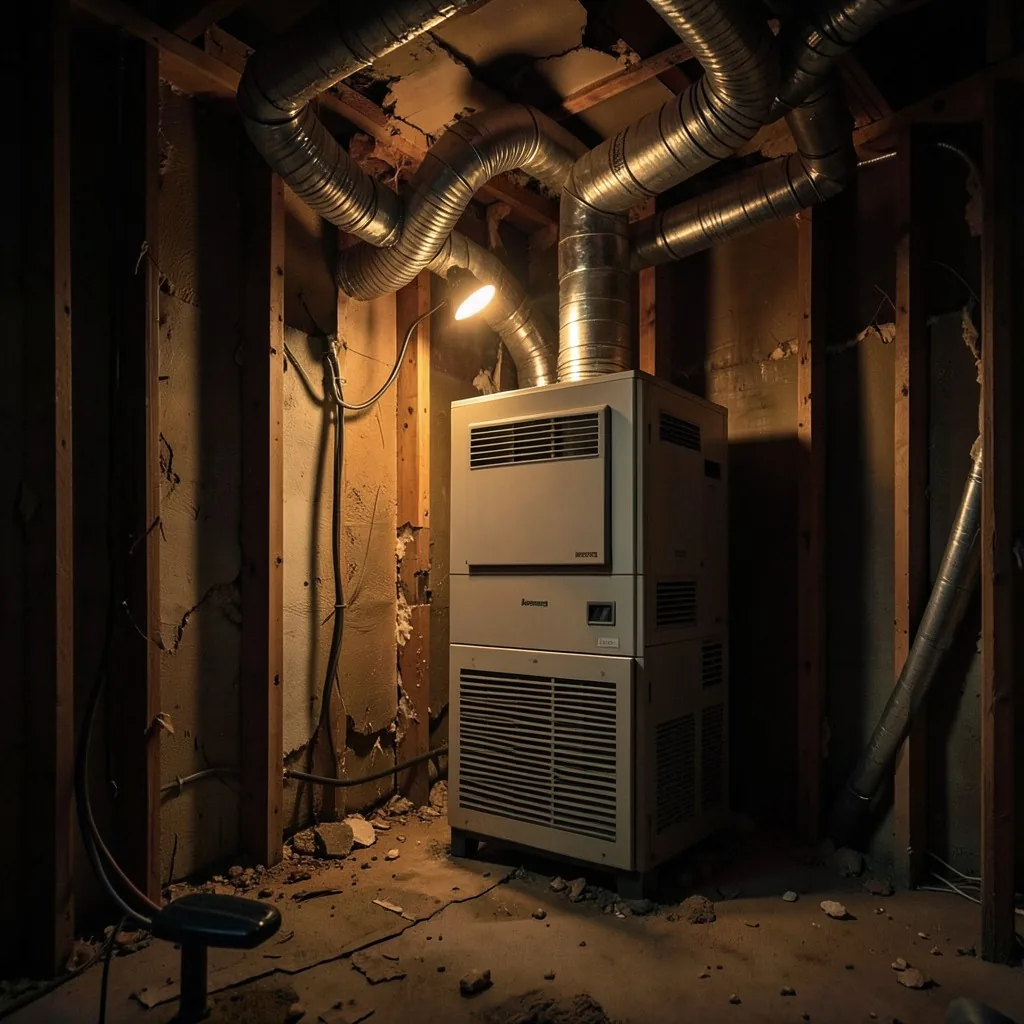
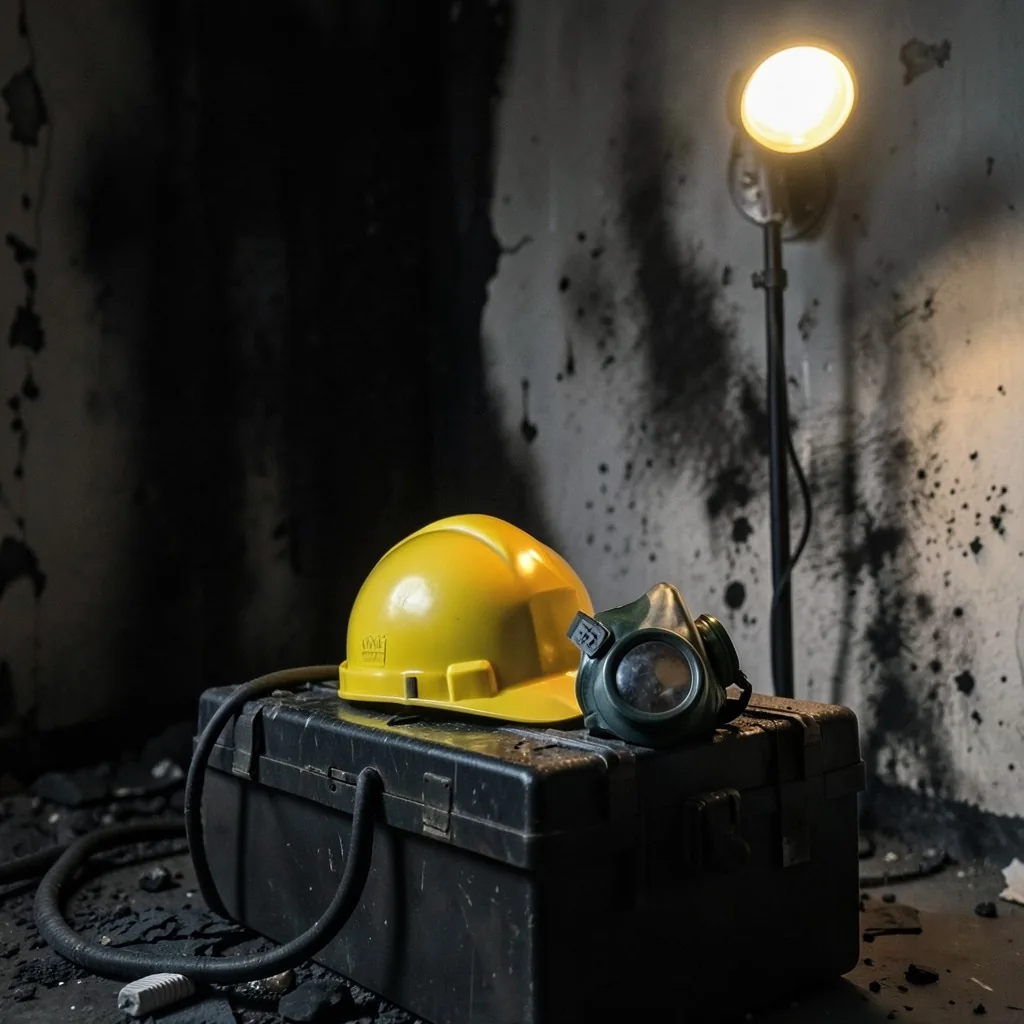
Salvage first, replace second — Calais crews clean and save what they can, and are clear about what has to go.
What standards do local crews work to?
Built for the adjuster’s file
Photographs, a room-by-room inventory, and a written scope arrive the way a carrier expects to review a fire claim.
Independent crews near you
Routing connects you to an independent contractor already working your ZIP code, not a distant call center.
A scope before the work starts
An estimate is written and shared before reconstruction begins, so the bill matches what was actually agreed.
Work to a named standard
Cleaning and deodorization follow IICRC S700 fire restoration protocol, with paperwork an adjuster typically wants attached.
Fire damage right now?
A vetted local crew can be on the way. One call, free to get matched.
(877) 817-2440 →Fire claims usually move faster when the documentation is thorough from the first visit — photographs of every affected room, a contents inventory, and readings on smoke penetration and structural moisture from the extinguishing water. A local contractor builds that record; your carrier decides what it pays based on your specific policy terms. Nothing here is insurance advice, only general background — the details of coverage vary by insurer, so confirm anything specific directly with your agent or adjuster. See our restoration insurance claims guide for the full process.
Fire Damage Restoration in Calais — FAQ
Real answers on matching, cost, insurance, and getting a crew on site in Calais. Don't see yours? The phone works from any page.
● (877) 817-2440How fast can a crew reach Calais?
Because restoration is an emergency trade, crews serving Calais are dispatched around the clock. When you call, we route you to an available local contractor — often for same-day arrival. Response time depends on current demand, but the goal is to get a crew on site as quickly as possible.
Do you cover all of Calais?
Yes — dispatch reaches every part of Calais, for water damage, fire & smoke damage, through independent, IICRC-standard contractors. Calais sits amid open-country parcels and unincorporated township land, so dispatch routes cover real distance between calls.
What causes most fire damage in Calais?
In the northern freeze belt, the common triggers are frozen and burst pipes, ice dams and roof leaks, sump-pump failures and spring melt. Heating-season fires — furnaces, space heaters, and chimneys — are the seasonal fire risk. Calais sits within a short drive of East Calais (3 mi) and Adamant (3 mi), all inside the same response radius.
How much will fire damage restoration cost in Calais?
There's no set rate for fire damage restoration in Calais — scope, category, and drying time all move the total, and each contractor quotes independently. Matching is free with no obligation, and the full estimate comes from the crew that inspects the loss. Mid-century Calais homes frequently pair slab-on-grade construction with asbestos floor tile, which slows any tear-out until it clears testing.
Why does soot keep damaging metal after the fire is out?
Soot residue is chemically acidic or alkaline depending on what burned, and it continues reacting with metal and glass until it is neutralized. That is why corrosion and etching can worsen in the days after a fire if cleanup is delayed. How fast a Calais crew reaches you depends mostly on how quickly you call.
Is all fire residue the same?
No. A cooking fire fueled by oils produces different residue chemistry than a fire involving synthetic furniture or electronics, and each calls for a different neutralizing approach. Treating both the same way can spread residue rather than remove it. A local Calais, VT contractor handles this end to end — no distant call center.
Does firefighting water need separate attention from the fire damage?
Yes. Water used to extinguish a fire carries combustion particulate and typically needs its own extraction and drying process, separate from surface cleaning, or it becomes a second loss layered on the first. In Calais, the same standards apply whether the loss is large or small.
Do the crews handle the rebuild too, or just cleanup?
Most Calais jobs go both ways: the same crew that stops the loss can also finish the rebuild, from framing and drywall through paint, so nothing gets handed off mid-project.
Is it really free to get matched?
It is. Matching a Calais property owner with a contractor costs nothing and commits you to nothing; the estimate comes straight from the crew that inspects the job.
Are the Calais crews vetted?
Every contractor working Calais through this network is an independent, IICRC-standard business. Credentials and cover are that contractor's own responsibility, and confirming them directly before work starts is always worth the two minutes it takes.
Can one crew handle every kind of damage?
What's the difference between mitigation, remediation, restoration and repair?
Four words get used as if they mean the same thing, and they do not. Knowing which phase you are actually being quoted for is the difference between comparing two Calais estimates fairly and comparing a mitigation price against a full rebuild.
Inspection comes before all of it and is not the same as a quote. It establishes how far fire and smoke damage actually reaches in a Calais property — usually with moisture meters, and sometimes thermal imaging — because the visible edge is rarely the real edge.
Mitigation is the emergency half — the work that stops the loss spreading. In Calais that means stopping the loss getting worse within hours, not days. Insurers generally expect it to begin immediately, because delay turns a contained loss into a larger one. Most policies ask you to take reasonable steps to limit damage, so this phase usually proceeds without waiting for approval.
Remediation, or cleanup, is the corrective phase: taking out what is beyond saving, cleaning what is not, and drying the structure until readings say it is done. How far past the visible damage a crew cuts is a judgement call, and it is the main reason two Calais scopes differ.
Restoration describes the full project rather than one phase — the reason "fire damage restoration" and "cleanup" often appear to mean the same thing in adverts.
Repair (or reconstruction) is the rebuild at the end — drywall, flooring, paint, cabinetry. It is a separate phase with its own schedule, and quotes frequently exclude it. Always ask which you are being quoted.
Pack-out covers your belongings rather than the building: boxing, cleaning and storing contents elsewhere while the property is worked on. Whether it is included is one of the larger swings between two Calais estimates.
Verification proves the job is finished rather than merely looking finished. It documents that materials are dry to standard, and it is the paperwork you will want if the property is later sold or claimed on. Ask for it explicitly; it is not always offered.
Worth doing before you choose a Calais contractor: ask each one which of these phases their price actually covers. Most disputes about a restoration bill trace back to one quote including reconstruction and the other not — which is a scope difference, not an honesty problem, but it only surfaces once the work is underway. Getting it in writing at the estimate stage costs nothing and settles it.
Fire Damage Restoration near Calais
Read up on fire & smoke.
Describe the damage in Calais.
Tell us what happened and a vetted local contractor reaches out. For an active emergency, calling is faster.
- Free to get matched — no obligation, ever
- Vetted, IICRC-standard local crews
- One local pro — the contractor quotes you directly
A crew that works your ZIP — not a distant call center.
Your Calais crew is one call away.
Free to get matched, no obligation — the crew gives you the estimate directly.