Fire Damage Restoration in
Alburgh, VT
The moment fire damage hits a Alburgh property, the clock is already running. One number reaches a local Alburgh crew that handles the whole recovery, from extraction to rebuild — vetted and dispatched fast.
Alburgh statistics above are public federal data — Census Bureau mapping files from 2023 alongside multi-year household sampling through 2022. Reported mileage is straight-line separation between centres.
Why does every hour of delay cost more?
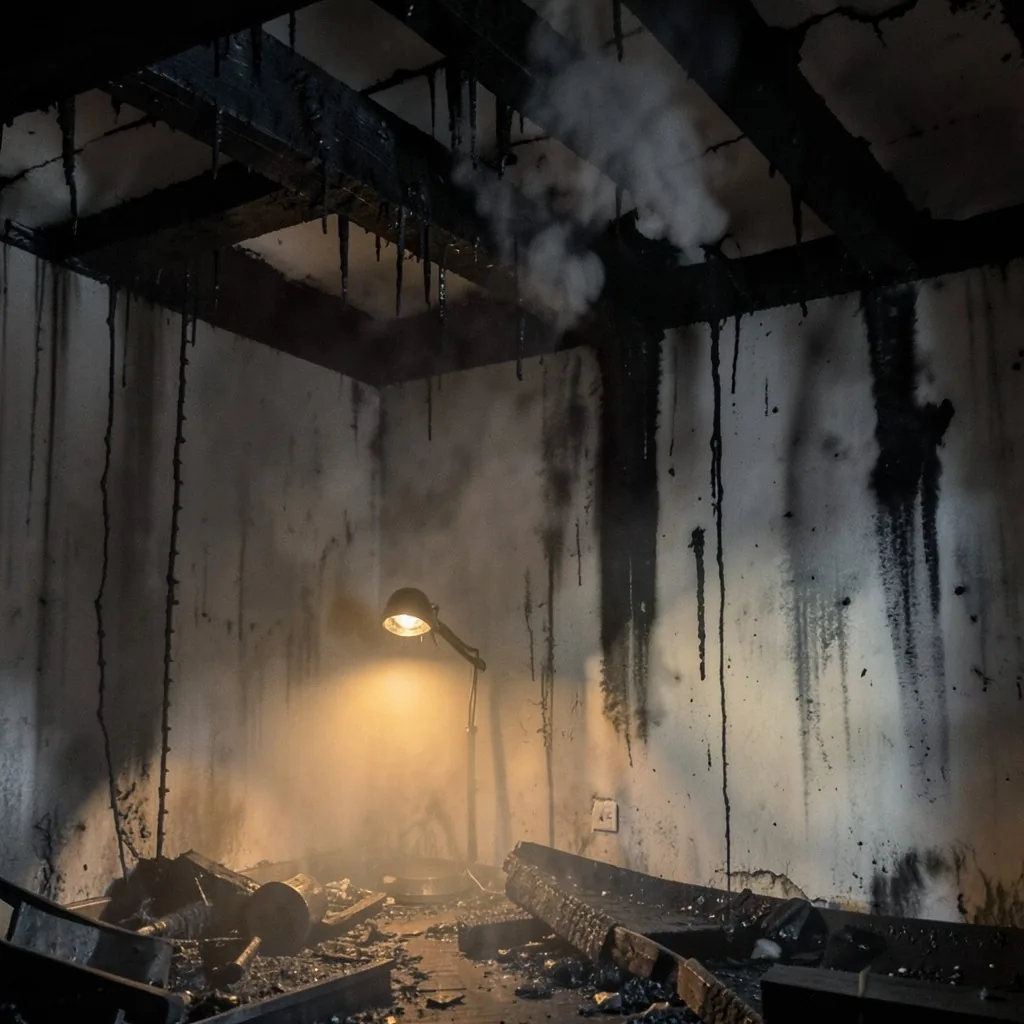
Fire damage restoration in Alburgh, VT is the full recovery after a fire: securing the property, cleaning corrosive soot and smoke residue, removing odor, drying the water used to extinguish the fire, and rebuilding the damaged structure.
- 0–60 MIN
It spreads
Soot etches surfaces; smoke odor sets in.
- 1–24 HRS
It worsens
Metal corrodes; contents stain.
- 24–48 HRS
Mold begins
Microbial growth can start.
- 2–7 DAYS
Structure at risk
Saturation weakens framing; odor sets in.
- 1 WEEK+
Rebuild territory
Extraction becomes gut-and-rebuild.
When should you call a crew in Alburgh?
What does fire damage restoration in Alburgh involve?
- Emergency board-up and roof tarping to secure the property
- Soot and smoke residue cleaning from surfaces and contents
- Odor removal with HEPA vacuuming, thermal fogging, and deodorizing
- Water extraction and drying from firefighting efforts
- Contents cleaning and pack-out
- Structural repair and full rebuild
How do Alburgh crews handle it?
Residue chemistry assessment
A crew tests surface residue to determine whether the fire burned protein-based material, synthetic material, or a mixture, since acidic and alkaline byproducts call for different neutralizing agents. Applying the wrong treatment can drive residue deeper into a finish instead of lifting it.
Corrosion control
Metal fixtures, hardware, and appliances are treated to halt active oxidation before pitting and tarnish become permanent. Acidic soot in particular continues etching glass and corroding metal for days after a fire if left untreated.
Secondary water extraction
Water used to suppress the fire carries dissolved combustion particulate into flooring and subfloor, creating a contaminated water loss layered on top of the fire. That water is extracted and the structure dried before chemical residue can bond further into porous substrate.
pH-balanced surface cleaning
Walls, ceilings, and hard surfaces are cleaned with agents matched to the residue's chemistry rather than a single all-purpose cleaner, lifting particulate without smearing it or driving it into the substrate.
Sealing and rebuild
Once neutralized, affected substrate is sealed to lock in any remaining trace particulate before new finishes go on, preventing residual chemistry from bleeding through fresh paint or drywall.
What should you do in the first 60 minutes?
- Confirm every person and pet is safely away from the building.
- Don’t attempt entry until officials confirm the structure is cleared.
- Avoid touching soot-covered surfaces — leave that documentation and cleaning to a crew.
- Build a room-by-room photo record of the damage for your claim file.
- Report the loss and start mitigation promptly — an adjuster will expect an early response on record.
- Call for professional mitigation in Alburgh — the sooner a crew starts, the less is lost.
- Don’t go back inside until officials say the structure is sound.
- Don’t turn the HVAC system on — it pulls soot through vents into unburned rooms.
- Don’t rub or brush soot off walls, fabric, or contents — it grinds in deeper.
- Don’t clear out ruined belongings before someone has recorded what was lost.
What drives fire damage in Alburgh?
In and around Alburgh, heating-season fires — furnaces, space heaters, and chimneys — are the seasonal fire risk. Water losses spike in deep winter, when a pipe can freeze, split, and flood a home before anyone is home to notice. The most common triggers around Alburgh include frozen and burst pipes, ice dams and roof leaks, sump-pump failures and spring melt. Because the crews we route to work Alburgh and the northern freeze belt regularly, they know where the damage hides in local homes and check for it before it becomes a bigger, costlier problem. Particleboard subfloor and masonite siding are common in Alburgh homes from this era, and both swell or delaminate fast once soaked.
The crews serving Alburgh also respond across nearby Bakersfield, Colchester, Cambridge, Belvidere Center, Burlington, Charlotte, Waterbury, Calais, Montpelier, Adamant, Bristol, and Cabot and the surrounding Vermont communities.
Why is every Alburgh job priced differently?
| Factor | Why it matters |
|---|---|
| Extent of structural fire damage | Charred framing and structure drive the biggest rebuild costs. |
| How far smoke and soot spread | Wider soot and odor means more cleaning and deodorizing. |
| Contents that must be cleaned or replaced | Salvaging contents costs less than replacing them. |
| Water damage from firefighting | Extraction and drying add a second discipline to the job. |
| Scope of deodorizing required | Heavier odor takes more fogging, sealing, and time. |
| Extent of the rebuild | Reconstruction of damaged rooms is priced separately from cleanup. |
Contractors set their own rates and quote you directly — see our cost guides for detail. No pricing is shown here.
What equipment does the work actually require?
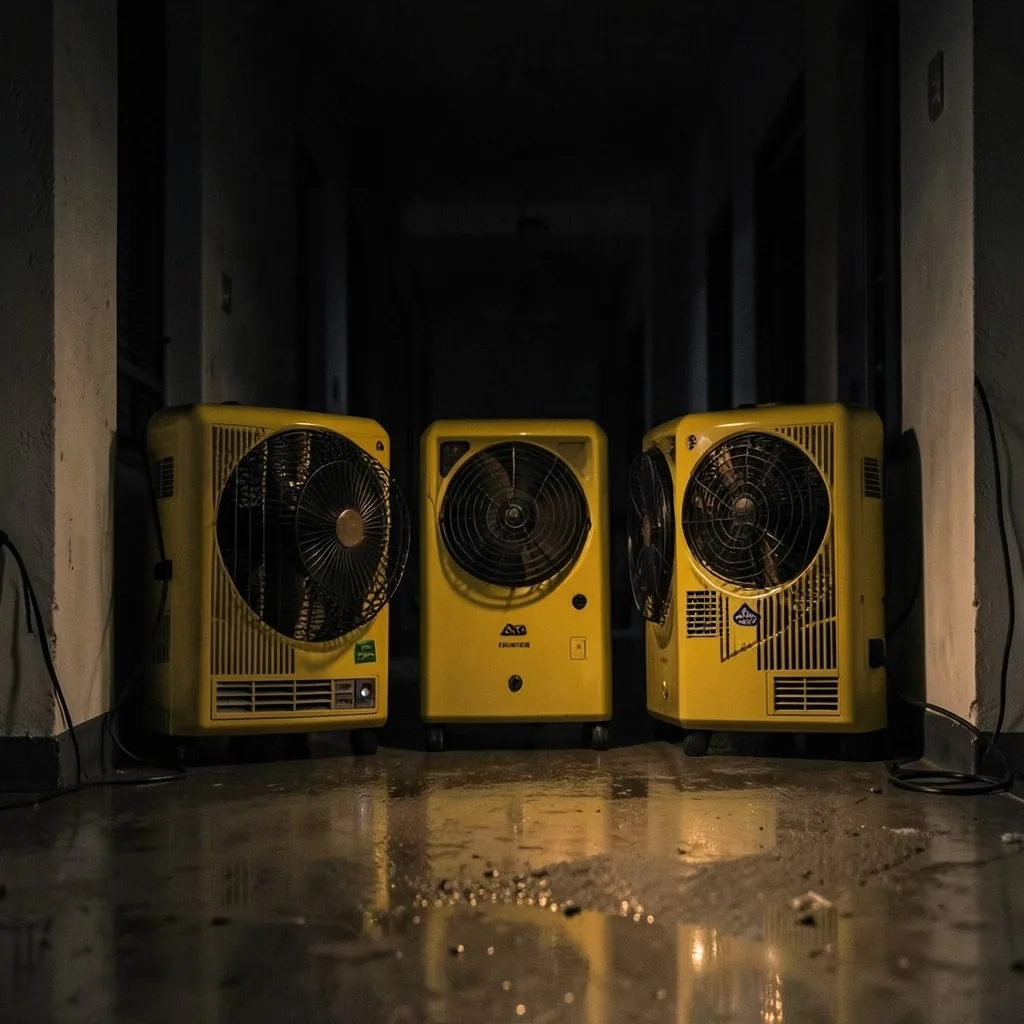
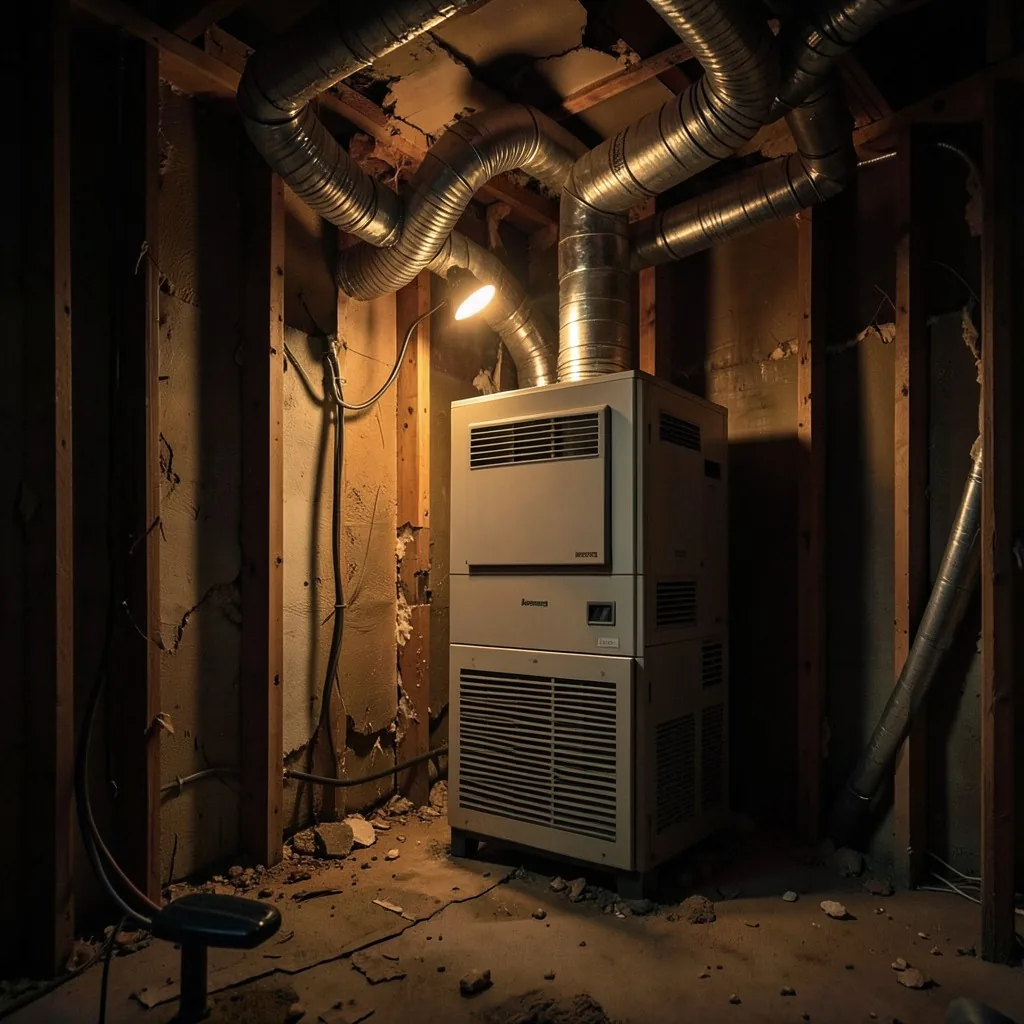
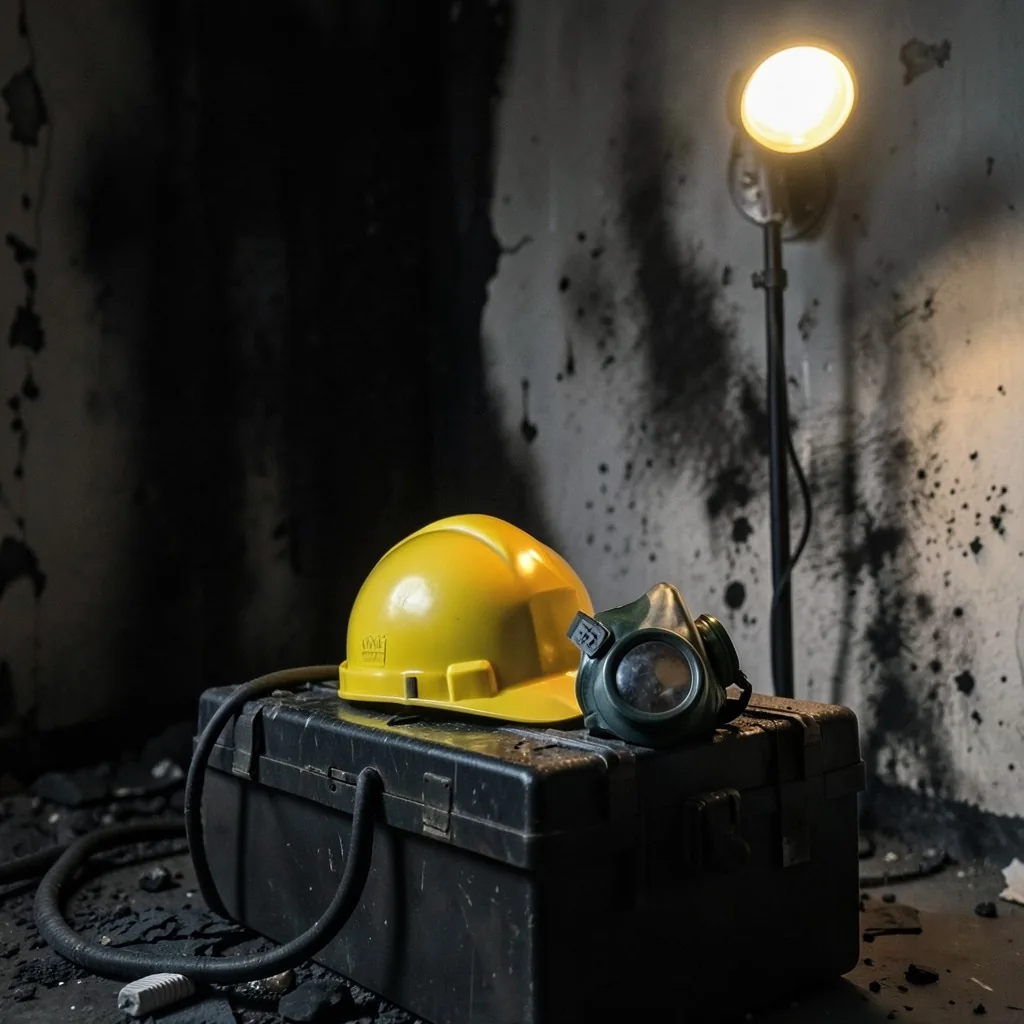
Salvage first, replace second — Alburgh crews clean and save what they can, and are clear about what has to go.
What standards do local crews work to?
Residue that keeps working
Soot stays chemically active — it etches glass and corrodes metal the longer it sits untreated on a surface.
Where smoke actually travels
HVAC ductwork carries smoke odor into rooms the fire never reached, so inspection covers more than the burn area.
Deodorizing, not masking
Ozone or hydroxyl treatment neutralizes smoke odor at the source instead of covering it with a spray.
Salvage decided item by item
Belongings are assessed individually — cleaned and stored where possible, documented as a loss where they can’t be saved.
Fire damage right now?
A vetted local crew can be on the way. One call, free to get matched.
(877) 817-2440 →Fire claims usually move faster when the documentation is thorough from the first visit — photographs of every affected room, a contents inventory, and readings on smoke penetration and structural moisture from the extinguishing water. A local contractor builds that record; your carrier decides what it pays based on your specific policy terms. Nothing here is insurance advice, only general background — the details of coverage vary by insurer, so confirm anything specific directly with your agent or adjuster. See our restoration insurance claims guide for the full process.
Fire Damage Restoration in Alburgh — FAQ
Real answers on matching, cost, insurance, and getting a crew on site in Alburgh. Don't see yours? The phone works from any page.
● (877) 817-2440How fast can a crew reach Alburgh?
Because restoration is an emergency trade, crews serving Alburgh are dispatched around the clock. When you call, we route you to an available local contractor — often for same-day arrival. Response time depends on current demand, but the goal is to get a crew on site as quickly as possible.
Do you cover all of Alburgh?
Alburgh falls inside the coverage area for water damage, fire & smoke damage, through independent, IICRC-standard contractors vetted before they take a call there. Alburgh sits amid open-country parcels and unincorporated township land, so dispatch routes cover real distance between calls.
What causes most fire damage in Alburgh?
Around Alburgh, frozen and burst pipes, ice dams and roof leaks, sump-pump failures and spring melt drive most fire damage claims. Heating-season fires — furnaces, space heaters, and chimneys — are the seasonal fire risk. From Alburgh, dispatch reaches outward to Isle La Motte (7 mi) and Swanton (8 mi) without a change in coverage terms.
How much will fire damage restoration cost in Alburgh?
There's no set rate for fire damage restoration in Alburgh — scope, category, and drying time all move the total, and each contractor quotes independently. Matching is free with no obligation, and the full estimate comes from the crew that inspects the loss. Particleboard subfloor and masonite siding are common in Alburgh homes from this era, and both swell or delaminate fast once soaked.
Why won't the smoke smell go away with air fresheners or fans?
Odor-causing compounds bind into porous materials below the surface, so covering the smell or airing out a room does not remove the source. It takes source removal or active treatment to actually eliminate it. A local Alburgh, VT contractor handles this end to end — no distant call center.
What is thermal fogging?
It is a deodorizing method that generates a very fine fog able to travel into cracks, cavities, and porous surfaces the same way smoke originally did, treating odor in places liquid cleaning cannot reach. In Alburgh, the same standards apply whether the loss is large or small.
Can HVAC systems spread smoke odor?
Yes. If the system ran during or after a fire, smoke particulate is often pulled into ductwork and recirculated through the home, which is why ducts get inspected as part of a full odor treatment. Alburgh crews document the work with photos and readings for your records and your insurer.
Do the crews handle the rebuild too, or just cleanup?
Yes, both. A Alburgh contractor typically starts with the emergency work and, if you want, carries the job all the way through rebuild — no separate crew to line up for drywall, flooring, or paint.
Is it really free to get matched?
Yes — there's no charge to get matched. A Alburgh contractor inspects the loss and quotes you directly, and you decide from there with zero obligation to move forward.
Are the Alburgh crews vetted?
Every contractor working Alburgh through this network is an independent, IICRC-standard business. Credentials and cover are that contractor's own responsibility, and confirming them directly before work starts is always worth the two minutes it takes.
Can one crew handle every kind of damage?
What's the difference between mitigation, remediation, restoration and repair?
Contractors, adjusters and search results use these four terms loosely. They describe different phases of work, and the distinction decides what is included in a Alburgh quote — and what is not.
Inspection comes before all of it and is not the same as a quote. It establishes how far fire and smoke damage actually reaches in a Alburgh property — usually with moisture meters, and sometimes thermal imaging — because the visible edge is rarely the real edge.
Mitigation is the emergency half — the work that stops the loss spreading. In Alburgh that means stopping the loss getting worse within hours, not days. Insurers generally expect it to begin immediately, because delay turns a contained loss into a larger one. Most policies ask you to take reasonable steps to limit damage, so this phase usually proceeds without waiting for approval.
Remediation, or cleanup, is the corrective phase: taking out what is beyond saving, cleaning what is not, and drying the structure until readings say it is done. How far past the visible damage a crew cuts is a judgement call, and it is the main reason two Alburgh scopes differ.
Restoration is the umbrella: everything from the first emergency call to a finished room. Used strictly it includes both of the phases above.
Repair means putting the building back: replacing what was removed and finishing it. It is scheduled after drying is verified, and it is the most common thing missing from a timeline you were given.
Pack-out means the contents leave the property to be cleaned and stored while restoration proceeds. It is billed separately from structural work, so check which Alburgh quote includes it before comparing totals.
Verification is the check at the end confirming the work actually met a standard — moisture readings, and for mold risk, an inspection. Ideally it is done by someone who did not perform the removal, because marking your own homework is the weak point. Keep whatever documentation comes out of it.
The practical use of this: when you compare two Alburgh quotes, make both state the same boundaries — where removal stops, whether drying is included, whether verification is included, and whether the rebuild is in the number. Two prices only mean something once they describe the same job, and the lower one is very often the one that quietly stops at mitigation. If a quote does not say, ask before you sign rather than after.
Fire Damage Restoration near Alburgh
Read up on fire & smoke.
Log the details in Alburgh.
Record what failed and when, and a vetted restoration firm makes contact. Anything still active is better handled over the phone.
- Introductions cost nothing and carry no commitment
- Firms that document losses the way adjusters expect
- Direct dealings — the firm prepares its own figures for you
Matched on service area, so the responder genuinely covers where you are.
Your Alburgh crew is one call away.
Free to get matched, no obligation — the crew gives you the estimate directly.