Mold Inspection in
Mission, KS
Mission property owners dealing with mold inspection get matched to a qualified local crew, fast. We connect you with an independent, IICRC-standard restoration contractor who works Mission — on site fast, with inspection through remediation.
Every hour multiplies the damage.
Mold Inspection in Mission, KS: A mold inspection answers two questions before any removal is considered: where is the growth, and what moisture is feeding it. Much of what matters is hidden — behind walls, under flooring, above ceilings — so the work is assessment, not remediation. Using moisture meters, thermal imaging, and targeted access, an inspector maps the affected areas and traces them back to the water source driving the problem.
- 0–60 MIN
It spreads
Spores move to new surfaces.
- 1–24 HRS
It worsens
Growth expands behind walls.
- 24–48 HRS
It colonizes
It reaches framing and HVAC.
- 2–7 DAYS
Structure at risk
Saturation weakens framing; odor sets in.
- 1 WEEK+
Rebuild territory
Extraction becomes gut-and-rebuild.
When to call in Mission.
Mold Inspection in Mission, done right.
- Visual assessment of visible and suspected growth
- Moisture-meter readings across walls, floors, and ceilings
- Thermal imaging to reveal hidden damp areas
- Mapping the extent of affected materials
- Tracing the moisture back to its source
- A documented findings report to guide next steps
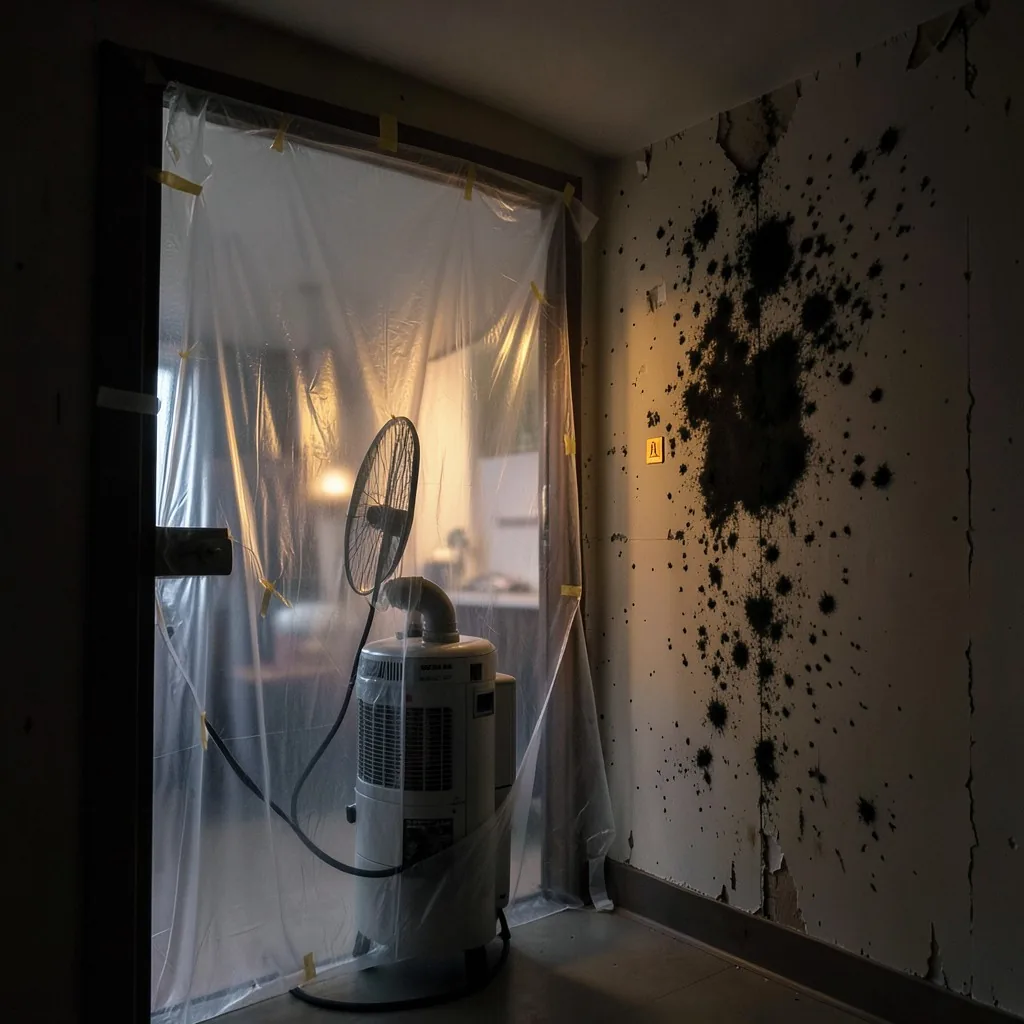
How Mission crews handle it.
Walk-through & visual assessment
The inspector documents visible growth and the conditions around it, then notes areas of past water intrusion and staining that suggest activity out of sight.
Moisture mapping
Moisture meters read walls, floors, and ceilings to chart where materials are still damp, since sustained moisture is what growth depends on to establish.
Thermal imaging
Infrared imaging highlights temperature differences that flag hidden damp areas behind finishes, pointing to spots that warrant a closer look.
Trace the source
Findings are followed upstream to the water source feeding them — a leak, seepage, or humidity problem — because the source, not the growth, is the root issue.
Report the findings
The inspector compiles a documented report of affected areas, moisture readings, and the suspected source to guide any remediation and source repair that follows.
Your first 60 minutes.
- Get everyone to safety — people and pets first.
- Stop using the affected room until it’s assessed.
- Fix or shut off the moisture source if you can find it.
- Photograph and video everything before any cleanup, for your claim.
- Call for professional mitigation in Mission — the sooner a crew starts, the less is lost.
- Don’t disturb visible mold — it releases spores into the air.
- Don’t just paint or bleach over it — that hides, not fixes, the problem.
- Don’t run fans over mold, which spreads spores.
- Don’t throw damaged items away before they’re documented for your claim.
What drives mold in Mission.
Storm water that is not dried quickly grows mold, especially through humid Plains summers. Severe-storm season through spring and summer drives wind, hail, and water losses; hard winters add burst pipes. The most common triggers around Mission include tornadoes and severe thunderstorms, hail and wind-driven rain, frozen and burst pipes. Contractors who serve Mission every day recognize the region's patterns and inspect for the secondary damage that follows — the part of the loss you can't see from the doorway.
Beyond Mission itself, routing reaches Olathe, Leawood, Kansas City, De Soto, Baldwin City, Eudora, Lane, Ottawa, Princeton, Rantoul, Richmond, and Wellsville and other Kansas towns nearby.
Every Mission job is priced differently.
| Factor | Why it matters |
|---|---|
| Size of the area assessed | A larger property takes more time to map and inspect thoroughly for hidden moisture. |
| Accessibility of suspect areas | Growth behind walls or above ceilings requires more effort and access to evaluate. |
| Depth of moisture mapping needed | A detailed room-by-room moisture survey is more involved than a single-area spot check. |
| Diagnostic tools required | Thermal imaging and instrument-based detection add capability beyond a purely visual walk-through. |
| Scope of the documented report | A comprehensive findings report covering extent and source takes more assessment work to produce. |
Contractors set their own rates and quote you directly — see our cost guides for detail. No pricing is shown here.
The gear that dries, secures, and restores.
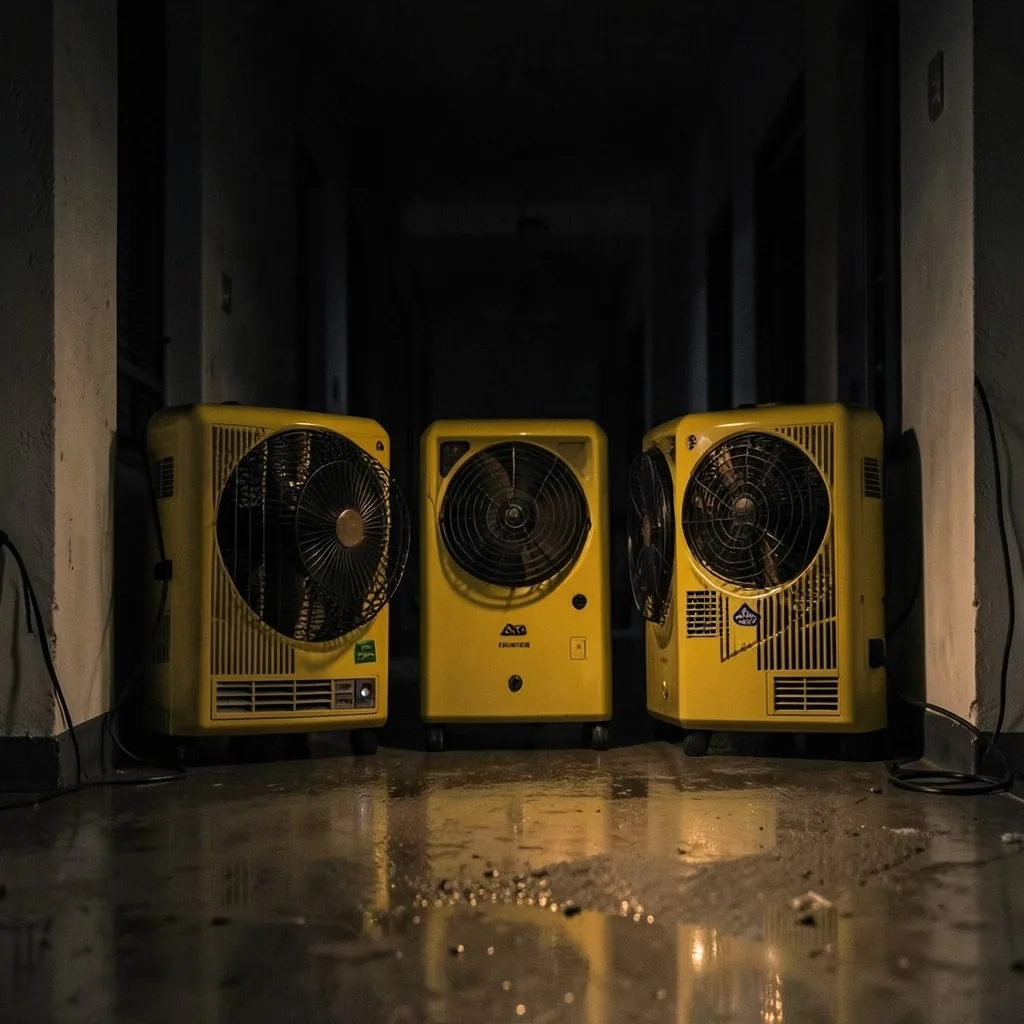
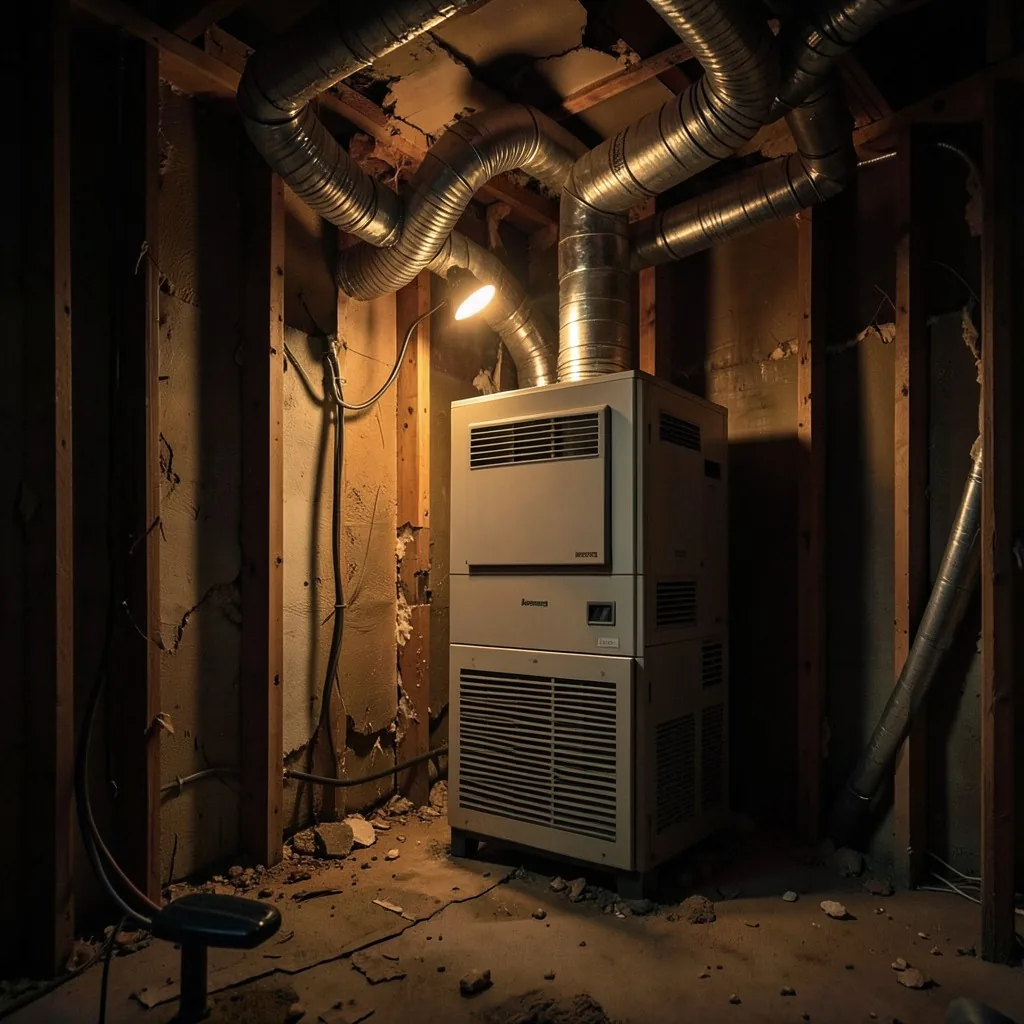
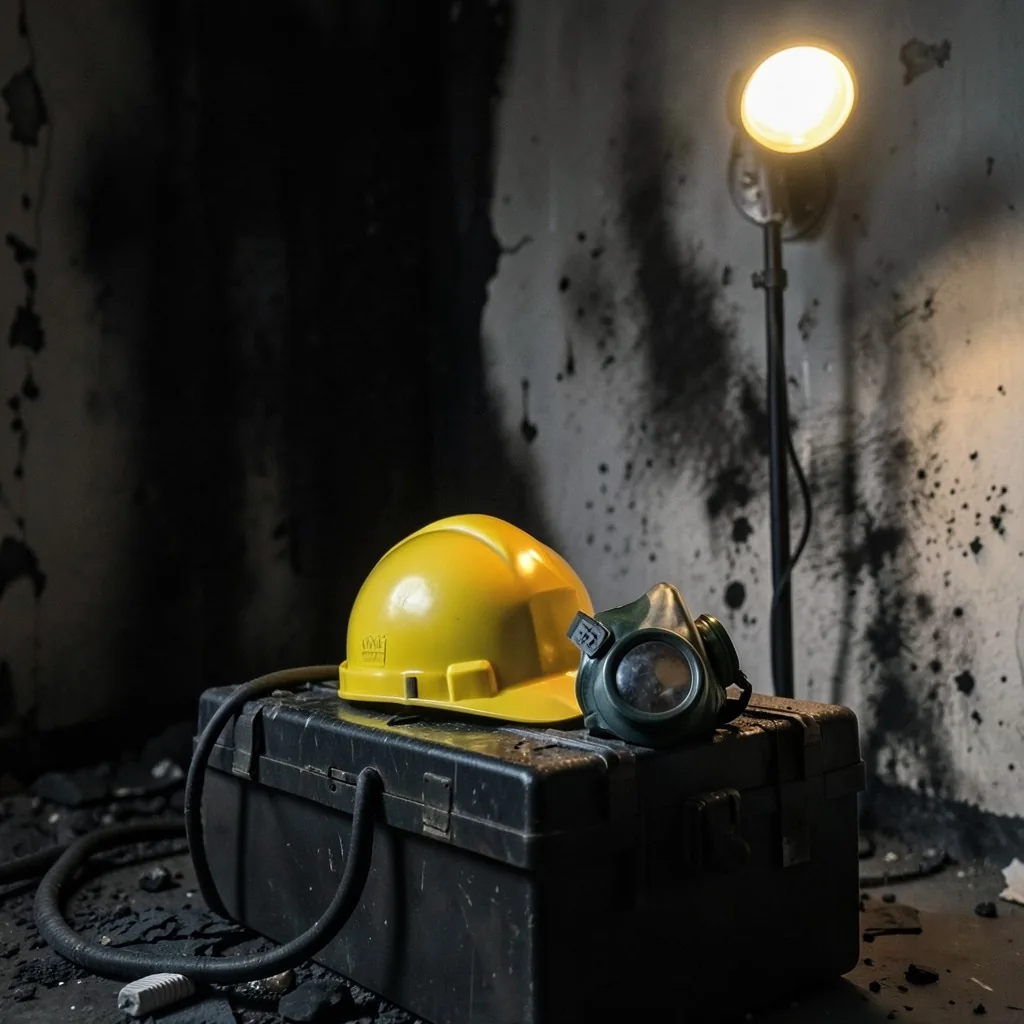
Salvage first, replace second — Mission crews clean and save what they can, and are clear about what has to go.
Local speed, done to standard.
We find what you can’t see
Water, soot, and mold hide behind Mission walls and under floors. Crews map the full extent with meters — not just the visible damage.
A crew that works your area
A local Mission contractor reaches you faster and knows how the storm-swept Plains homes fail. Proximity is part of the response.
A realistic schedule
You get a timeline after the assessment. Fast mitigation keeps the whole Mission project — and the cost — as short as possible.
Done to IICRC standard
Mission crews work to recognized industry practice and document the loss with photos and readings — the evidence your insurer expects.
Found mold in Mission?
A vetted local crew can be on the way. One call, free to get matched.
(800) 555-0134 →Most sudden, accidental water losses that lead to mold in Mission are insurable events, and the restoration crews we route to document the damage the way adjusters expect — with photos, moisture readings, and a line-item scope. Reputable contractors don't negotiate your claim (that's the role of a licensed public adjuster); they provide the evidence that supports a fair settlement. This is general information, not insurance advice — your policy language and state rules control. See our restoration insurance claims guide for the full process.
Mold Inspection in Mission — FAQ
Real answers on matching, cost, insurance, and getting a crew on site in Mission. Don't see yours? The phone works from any page.
● (800) 555-0134How fast can a crew reach Mission?
Crews serving Mission schedule inspections and remediation promptly. When you call, we route you to an available local contractor — often for same-day arrival. Response time depends on current demand, but the goal is to get a crew on site as quickly as possible.
Do you cover all of Mission?
Routing covers water damage, fire & smoke damage, mold across Mission and its roughly 4 ZIP codes, connecting you with independent, IICRC-standard restoration contractors who work the area.
What causes most mold in Mission?
In the storm-swept Plains, the common triggers are tornadoes and severe thunderstorms, hail and wind-driven rain, frozen and burst pipes. Storm water that is not dried quickly grows mold, especially through humid Plains summers.
How much will mold inspection cost in Mission?
Pricing depends on the category and size of the loss and the scope of drying or rebuild, and each contractor sets its own rates — so we don't quote prices here. Getting matched is free, and the contractor gives you an estimate directly. Our cost guides explain what drives restoration pricing in detail.
What does a mold inspection actually do?
It locates growth and, just as importantly, finds the moisture feeding it. An inspection is assessment work — visual review, moisture mapping, and thermal imaging to map affected areas and trace the water source. It does not remove anything; it produces the picture that any later remediation would be based on. A local Mission, KS contractor handles this end to end — no distant call center.
Why find the moisture source and not just the mold?
Growth is a symptom of sustained moisture, so the water source is the real problem. Locating a leak, seepage point, or humidity issue tells you why growth appeared and where it will keep appearing until corrected. Mapping the source is what makes an inspection genuinely useful rather than just descriptive. In Mission, the same standards apply whether the loss is large or small.
How is inspection different from remediation?
Inspection is the assessment and diagnosis stage — finding growth, measuring moisture, and identifying the source, then reporting it. Remediation is the separate removal work that containment and cleanup involve. An inspection defines the scope; it deliberately stops short of removing anything so the findings stay objective. Mission crews document the work with photos and readings for your records and your insurer.
Does the report reference recognized guidance?
A findings report documents the affected areas, moisture readings, and suspected source in a form that supports next steps, and it can note where EPA and CDC publish remediation guidance for reference. The report itself is an objective record of conditions, framed around moisture and property rather than any recommendation beyond its findings. How fast a Mission crew reaches you depends mostly on how quickly you call.
Do the crews handle the rebuild too, or just cleanup?
Both. The independent contractors we route to in Mission handle emergency mitigation and can carry the project through full restoration and rebuild — drywall, flooring, paint, and reconstruction — so you deal with one crew from the first call to move-back-in.
Is it really free to get matched?
Yes. Getting connected with a Mission restoration crew is free with no obligation. The contractor assesses the loss and gives you an estimate directly; the decision to proceed is entirely yours.
Are the Mission crews licensed and insured?
We route to independent, IICRC-standard restoration contractors. Each is a separate business responsible for its own licensing, insurance, and workmanship — and you're free to verify credentials before work begins.
One crew, whatever hit your property.
Mold Inspection near Mission
Read up on mold removal.
Request a mold inspection in Mission.
Tell us what happened and a vetted local contractor reaches out. For an active emergency, calling is faster.
- Free to get matched — no obligation, ever
- Vetted, IICRC-standard local crews
- One local pro — the contractor quotes you directly
A crew that works your ZIP — not a distant call center.
Get a Mission crew to inspect.
Free to get matched, no obligation — the crew gives you the estimate directly.