Attic Mold Removal
when you need it most.
Contain and remove mold on attic sheathing, then correct the ventilation problem that caused it. One call routes you to a vetted, IICRC-standard local crew — free to get matched, no obligation.
Mold is a moisture problem first
Attic mold usually grows for the same quiet reason: moisture with nowhere to go. Warm, damp air rising from the living space combines with blocked or undersized ventilation, or a past roof leak, and condensation settles on the cold underside of the roof sheathing. Left there, that persistent moisture lets mold take hold on the wood. Removing the growth is only half the work — the ventilation or leak that created it has to be corrected, or it comes back.
Mold is not a cleaning problem, it is a moisture problem wearing a disguise. Spores are always present in indoor air; they only take hold and grow where materials stay damp. That is why wiping a visible patch off drywall accomplishes little on its own. Unless the water source feeding the growth is found and corrected, the same spot returns, often within weeks.
Because the real driver is hidden moisture, effective work starts with an inspection that traces where the dampness originates and how far it reaches. A slow supply leak, poor ventilation, a damp crawlspace, or condensation can all sustain growth behind finishes. Finding and fixing that source is the part that actually resolves the issue rather than briefly masking it.
- 0–60 MIN
It spreads
Spores move to new surfaces.
- 1–24 HRS
It worsens
Growth expands behind walls.
- 24–48 HRS
It colonizes
It reaches framing and HVAC.
- 2–7 DAYS
Structure at risk
Saturation weakens framing; odor sets in.
- 1 WEEK+
Rebuild territory
Extraction becomes gut-and-rebuild.
When to call.
Full-scope attic mold removal.
- Inspect the sheathing, rafters, and ventilation path
- Identify the moisture source, whether venting or a past roof leak
- Contain the attic work area to limit spread during removal
- HEPA filtration while affected surfaces are treated
- Remove or clean mold from sheathing and framing per S520 practice
- Guidance on correcting the ventilation source that caused it
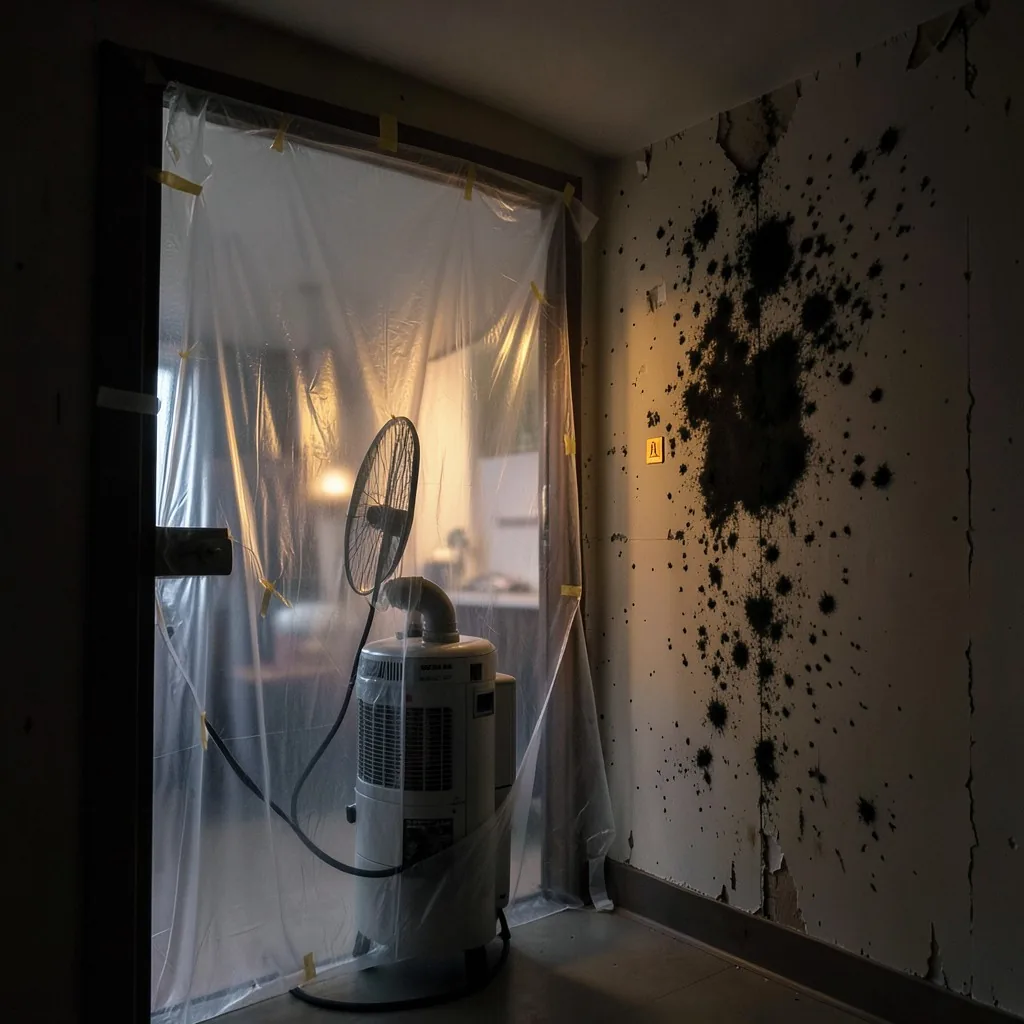
Where mold tends to hide
Growth rarely stays where you can see it. It favors dark, damp, undisturbed spaces, which is why an inspection looks well beyond the obvious stain on the wall.
Behind drywall and wallpaper
Cavities that trap moisture from leaks or condensation let growth spread across the back of a wall while the visible surface looks nearly untouched until the problem is well established.
HVAC systems and ductwork
Condensation on coils and inside ducts creates damp surfaces, and the system then moves spores throughout the home. HVAC involvement often explains growth appearing in several rooms at once.
Under subfloors and flooring
Water that seeps beneath laminate, tile, or carpet sits against the subfloor with little airflow to dry it. Growth can develop underneath long before anything shows on top.
Crawlspaces and basements
Below-grade areas stay cool and humid, and ground moisture keeps framing and insulation damp. These low-traffic spaces are among the most common places for growth to establish unnoticed.
One line, a vetted local crew.
Trace the moisture source
Every remediation begins by locating the water feeding the growth, using moisture meters and a careful survey. Correcting that source is what keeps mold from simply returning after the visible material is removed.
Seal the work area off
Before removal, the affected zone is isolated with physical barriers so spores are not spread into clean parts of the home during the disturbance of cutting and handling materials.
Filter and control airflow
HEPA air scrubbers and negative air pressure keep airborne particles inside the containment and pull them out through filtration, so the rest of the house is protected while work is underway.
Confirm the work is complete
Remediation is not finished when the surface looks clean. Post-remediation verification checks that the area is dry, that materials were properly removed, and that conditions no longer support regrowth.
How it works.
Inspect and diagnose
The crew examines the sheathing and framing and, just as importantly, the intake and exhaust venting, because attic growth is a ventilation story before it is a mold story.
Pin down the moisture
They determine whether blocked soffits, missing exhaust, or an old roof leak is feeding the condensation, so the actual cause is documented rather than guessed at.
Contain the area
The work zone is sheeted off so material disturbed during removal is kept within the attic and not carried down into the living space.
Filter and remove
HEPA air filtration runs while affected surfaces are cleaned or removed following IICRC S520 remediation practice, working the wood back to a sound condition.
Correct the source
The crew documents what has to change in the ventilation or roofline so the attic stays dry, because remediation without airflow correction is temporary.
Every job is priced differently.
| Factor | Why it matters |
|---|---|
| Area of sheathing and framing affected | A wider spread across the roof deck takes more surface treatment and removal. |
| The ventilation correction needed | Clearing soffits or adding exhaust is the root fix and adds scope to the job. |
| Attic access and working height | A tight, low attic makes containment and hands-on removal slower to perform. |
| Whether a past roof leak is involved | A prior leak means the sheathing may need more attention than venting alone. |
| Extent of containment required | Sealing the work area off from the living space scales with the affected footprint. |
Contractors set their own rates and quote you directly — see our cost guides for detail. No pricing is shown here.
The gear that dries, secures, and restores.
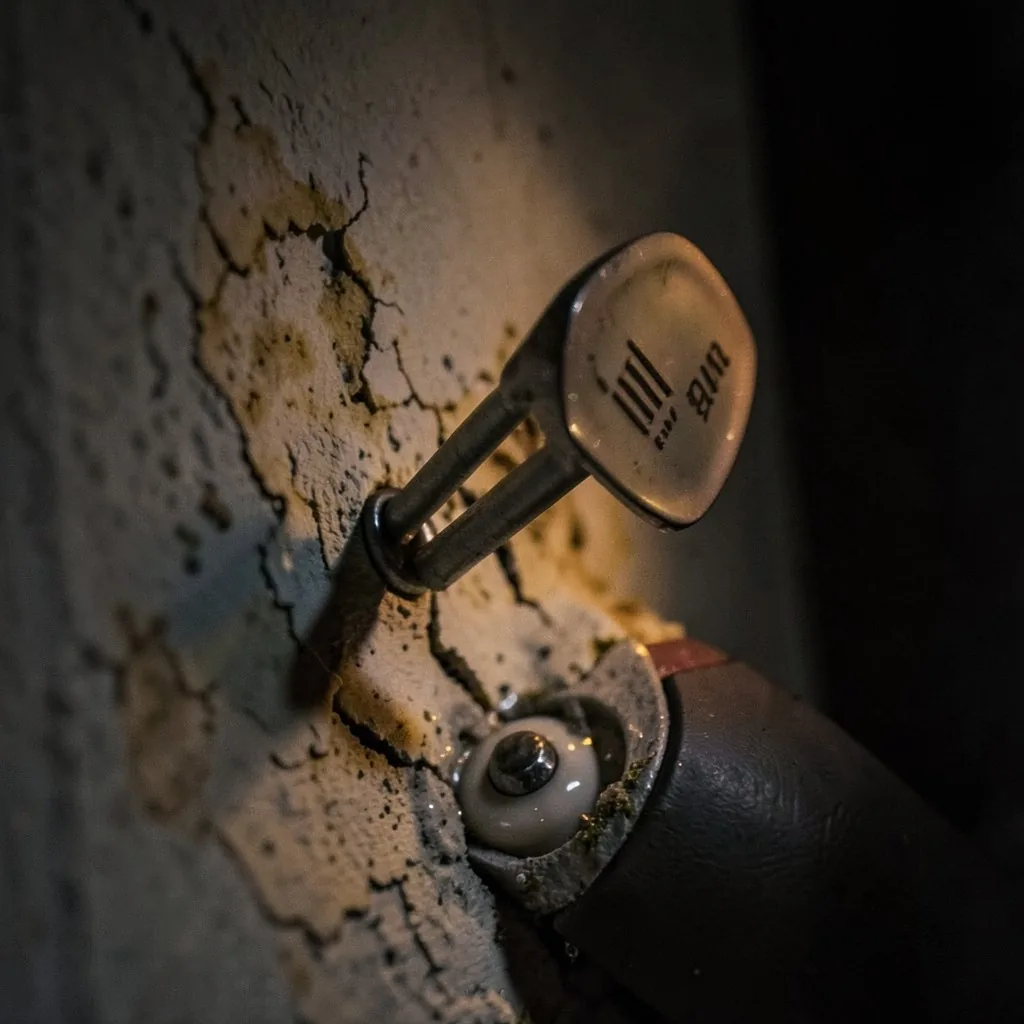
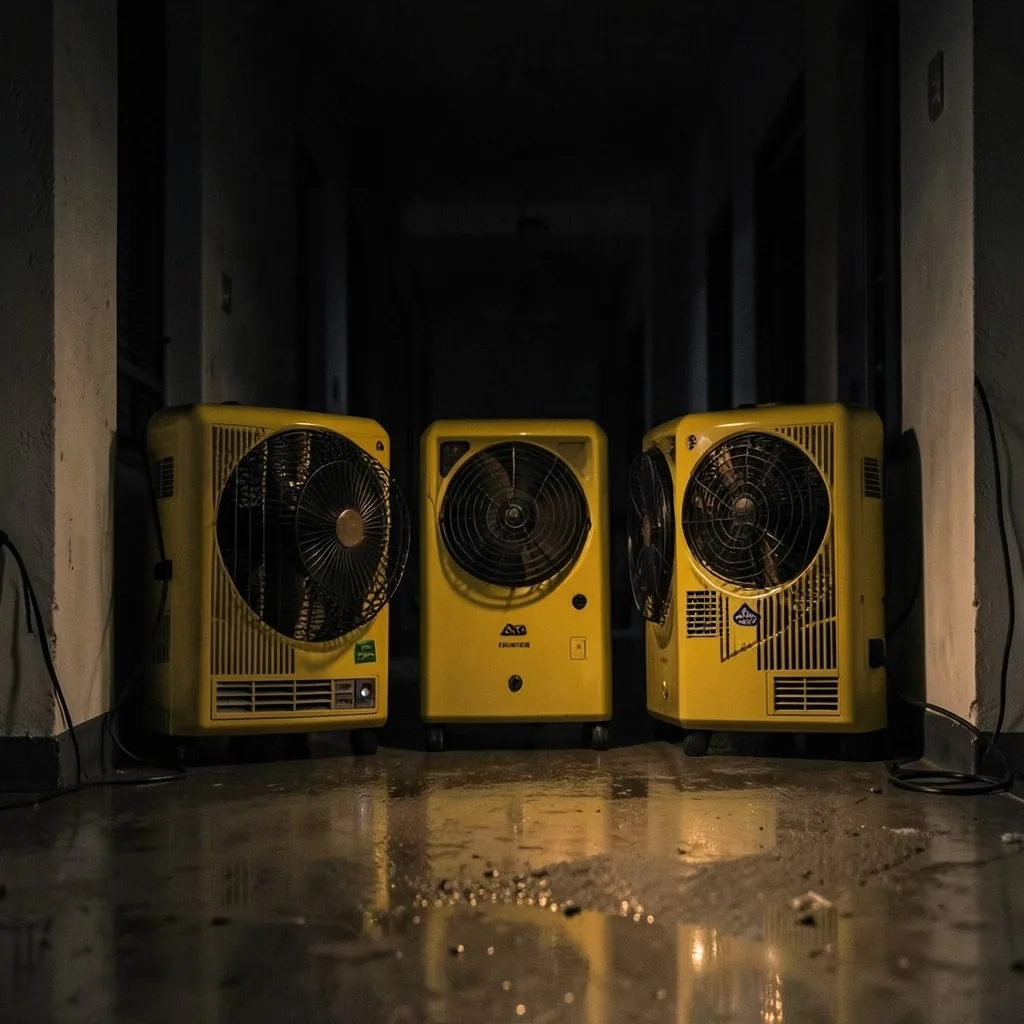
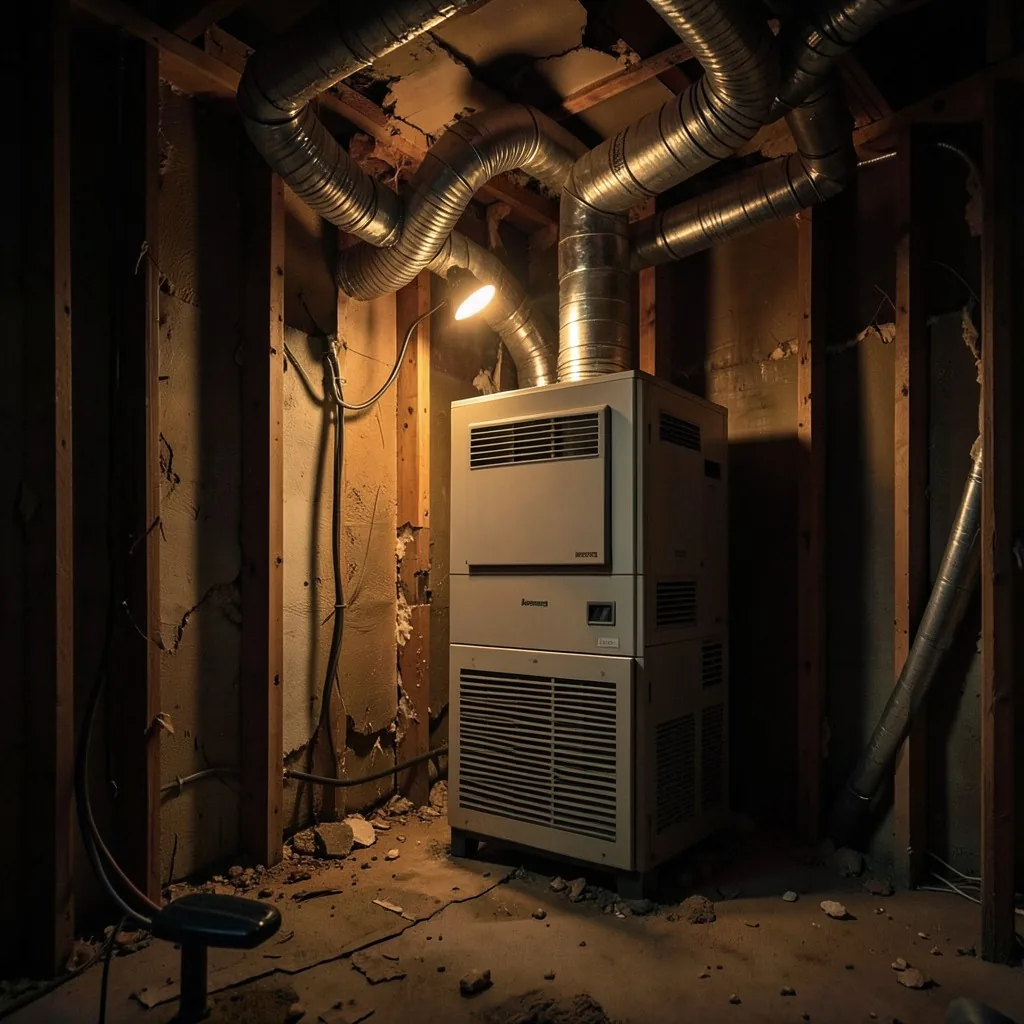

Salvage first, replace second — crews clean and save what they can, and are clear about what has to go.
Found mold in your home?
A vetted local crew can be on the way. One call, free to get matched.
(800) 555-0134 →How remediation is done correctly
A proper job is deliberate, not rushed. It starts with an assessment that identifies the moisture source and the extent of growth. The area is then contained and placed under filtered, negative air pressure so material can be removed without spreading spores. Affected porous materials are taken out, surfaces are cleaned, and the space is dried before anything is rebuilt or closed back up.
The EPA and CDC publish widely followed guidance on mold remediation, and reputable professionals work in line with those references. That guidance emphasizes fixing the moisture problem, containing the work, and verifying the result rather than simply painting over growth. When the source is corrected and the outcome is confirmed, the fix holds instead of quietly recurring behind the finish.
Whether mold remediation is covered depends heavily on the cause and on your specific policy, since many policies treat mold differently than a sudden water loss. When growth stems from a covered event, documentation matters, so remediation teams record the source, the extent, and the scope of work with photographs and moisture findings. Crews commonly share that record with your adjuster during the claim. What ultimately qualifies for coverage is determined by your insurer and your policy terms. Clear documentation does not guarantee a result; it simply provides an accurate account of the conditions found and the remediation performed.
Attic Mold Removal — FAQ
Real answers on matching, cost, insurance, and getting a crew on site. Don't see yours? The phone works from any page.
● (800) 555-0134What actually causes mold to grow in an attic?
Almost always trapped moisture. Warm indoor air leaks upward and meets a cold roof deck, and if the attic cannot breathe through its soffit and ridge vents, that moisture condenses and lingers on the sheathing. A past roof leak does the same thing. Fix the airflow and the moisture and the wood stays clean.
Why fix the ventilation instead of just cleaning the wood?
Because cleaning the sheathing without changing what made it damp only resets the clock. The condensation returns with the next cold, humid stretch and growth follows it back. Correcting the intake and exhaust venting is what keeps the deck dry so the remediation holds.
Can I scrub the attic sheathing myself?
Surface scrubbing tends to spread material around the attic and misses the ventilation cause, so the deck looks better briefly and then recurs. Contained removal with HEPA filtration keeps disturbed material controlled and pairs the cleaning with correcting the moisture source that drives it.
Does homeowners insurance cover attic mold?
It depends heavily on the cause and the policy — mold tied to a sudden covered event is treated differently from mold blamed on long-standing ventilation or maintenance issues, and many policies limit mold specifically. Ask your insurer about your own coverage; this is general information only.
Is it free to get matched with a attic mold removal crew?
Yes. Getting matched is free and carries no obligation. The contractor assesses the damage and gives you the estimate directly, and you're welcome to compare it against other bids before you decide.
How does the matching work?
One call — or the online form — routes your request to a vetted, independent local contractor whose service area covers your ZIP code, not a distant call center. You reach a crew that already works your area, so a local pro can get to you quickly.
Do I have to hire the contractor you match me with?
No. There's no obligation to hire anyone. Matching simply connects you with a qualified local crew; the decision — and the agreement for any work — is entirely between you and the contractor.
Will my insurance cover mold?
That depends on your policy and your insurer. Sudden, accidental losses are commonly covered, while gradual damage and some mold is often limited. Crews document the loss with photos and readings, which creates a clear record — but coverage decisions rest with your carrier. This is general information, not insurance advice.
Are the attic mold removal contractors licensed and insured?
Each contractor in the network is an independent business responsible for its own licensing and insurance. Confirm the license number and insurance certificate directly with the contractor before work begins — every legitimate pro expects the question.
Attic Mold Removal in top markets.
Read up on attic mold removal.
Request a mold inspection.
Tell us what happened and a vetted local contractor reaches out. For an active emergency, calling is faster.
- Free to get matched — no obligation, ever
- Vetted, IICRC-standard local crews
- One local pro — the contractor quotes you directly
A crew that works your ZIP — not a distant call center.
Lasting mold remediation comes down to two things: correcting the moisture that caused it and verifying that removal was thorough. Surface cleaning without addressing the source only buys time. If you have found growth, noticed a musty area, or had a lingering leak, a professional inspection is the sensible next step. Getting the moisture and the containment right is what keeps the problem from coming back.
One call. A vetted local crew.
Free to get matched, no obligation — the contractor gives you the estimate directly.