Basement Water Removal in
Minneapolis, MN
Need basement water removal in Minneapolis, MN? One call reaches a vetted local crew, dispatched fast. One call routes you to a vetted, IICRC-standard local crew serving Minneapolis — 24/7 emergency mitigation and full property recovery.
Every hour multiplies the damage.
Basement Water Removal in Minneapolis, MN: A basement floods differently from the rest of the house because it sits below grade. Water does not just fall in — it is pushed in by hydrostatic pressure through foundation cracks, wall-floor joints, and window wells, and it pools at the lowest point with nowhere to drain. Removal starts with pumping out that standing water, then extracting and drying the below-grade space against the moisture still pressing on it.
- 0–60 MIN
It spreads
Water wicks into flooring and walls.
- 1–24 HRS
It worsens
Drywall and trim swell and warp.
- 24–48 HRS
Mold begins
Microbial growth can start.
- 2–7 DAYS
Structure at risk
Saturation weakens framing; odor sets in.
- 1 WEEK+
Rebuild territory
Extraction becomes gut-and-rebuild.
When to call in Minneapolis.
Basement Water Removal in Minneapolis, done right.
- Submersible pump-out of standing basement water
- Extraction from below-grade slab and floor surfaces
- Identifying seepage points — cracks, joints, window wells
- Drying against continued hydrostatic and slab moisture
- Sump-system assessment and clearing of failed pits
- Removal of saturated below-grade materials and finishes
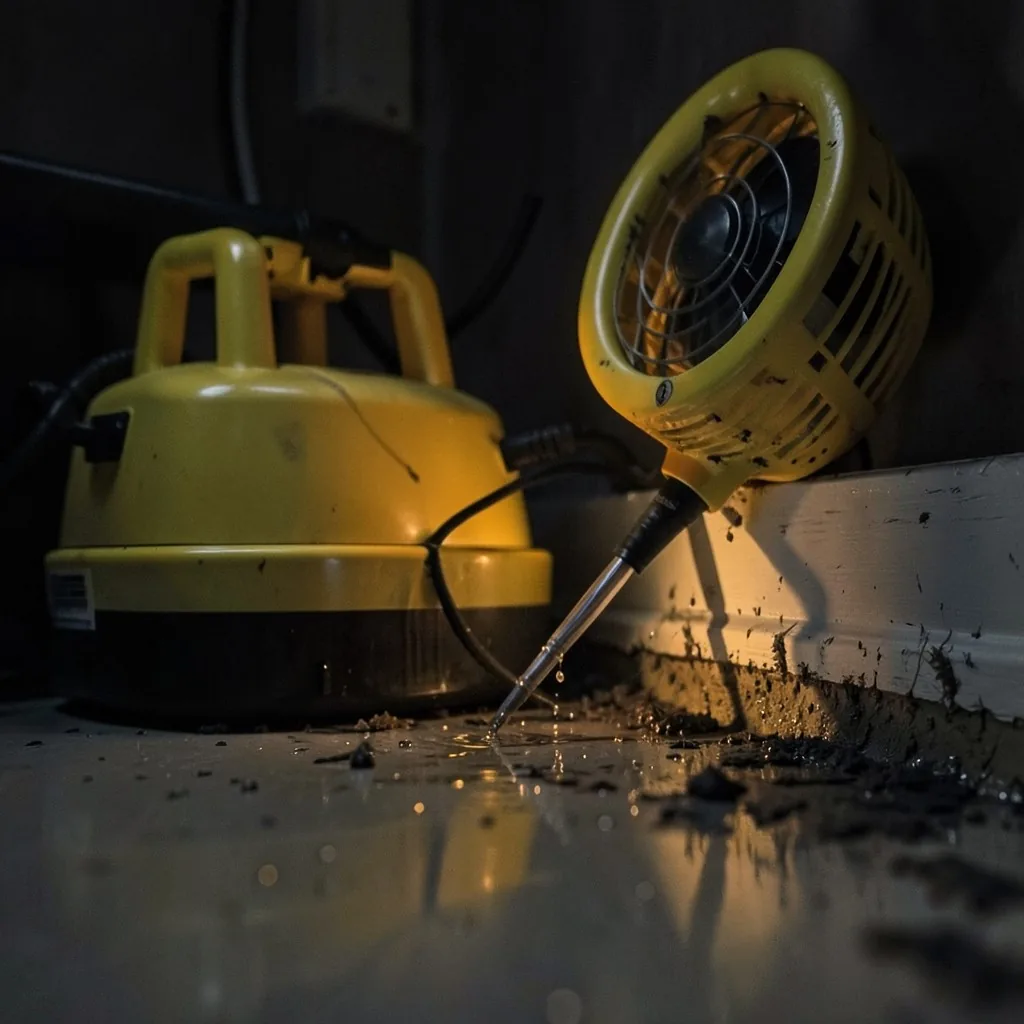
How Minneapolis crews handle it.
Pump out standing water
Submersible pumps clear the bulk water from the lowest point of the basement first, because below-grade spaces collect volume that hand extraction alone cannot move.
Extract residual moisture
Once the pumps have done their work, portable extractors pull the remaining water from the slab, floor coverings, and any low finished surfaces.
Trace the seepage source
The crew finds where water entered — a foundation crack, the cove joint, a failed sump, or a flooded window well — since below-grade intrusion is driven by pressure, not a single leak.
Dry against the ground
Air movers and dehumidifiers dry the space while accounting for the slab and foundation walls, which stay cool and damp and slow evaporation more than an above-grade room.
Remove saturated finishes
Below-grade drywall, paneling, and flooring that wicked water are removed as needed, and readings confirm the slab and walls reach a documented dry standard.
Your first 60 minutes.
- Get everyone to safety — people and pets first.
- Shut off the water source if you can reach it safely — the main valve stops a burst pipe.
- Lift valuables and electronics off wet floors.
- Photograph and video everything before any cleanup, for your claim.
- Call for professional mitigation in Minneapolis — the sooner a crew starts, the less is lost.
- Don’t enter standing water where electricity may be live.
- Don’t wait to "see if it dries" — mold can start in 24–48 hours.
- Don’t run the HVAC if it may spread contamination.
- Don’t throw damaged items away before they’re documented for your claim.
What drives water damage in Minneapolis.
Water losses spike in deep winter, when a pipe can freeze, split, and flood a home before anyone is home to notice. The classic emergency here is the winter burst pipe — hundreds of gallons an hour, often discovered hours later, plus ice-dam roof leaks and spring-melt basement flooding. The most common triggers around Minneapolis include frozen and burst pipes, ice dams and roof leaks, sump-pump failures and spring melt. Contractors who serve Minneapolis every day recognize the region's patterns and inspect for the secondary damage that follows — the part of the loss you can't see from the doorway.
Beyond Minneapolis itself, routing reaches Saint Paul, Monticello, Maple Plain, Norwood Young America, Loretto, Saint Cloud, Eden Prairie, Rockford, Osseo, Stillwater, Stacy, and Burnsville and other Minnesota towns nearby.
Every Minneapolis job is priced differently.
| Factor | Why it matters |
|---|---|
| Volume of water to pump out | Below-grade spaces collect large amounts, and more standing water means more pumping and extraction time. |
| Source of the below-grade intrusion | Water pushed in by hydrostatic pressure may keep seeping, extending drying until the source is addressed. |
| Slab and foundation drying demands | Cool, damp masonry releases moisture slowly, so below-grade drying often runs longer than an upstairs room. |
| Condition of the sump system | A failed or overwhelmed sump pit may need clearing or assessment as part of the response. |
| Finished versus unfinished basement | A finished basement adds drywall, flooring, and paneling that may need removal and later replacement. |
Contractors set their own rates and quote you directly — see our cost guides for detail. No pricing is shown here.
The gear that dries, secures, and restores.
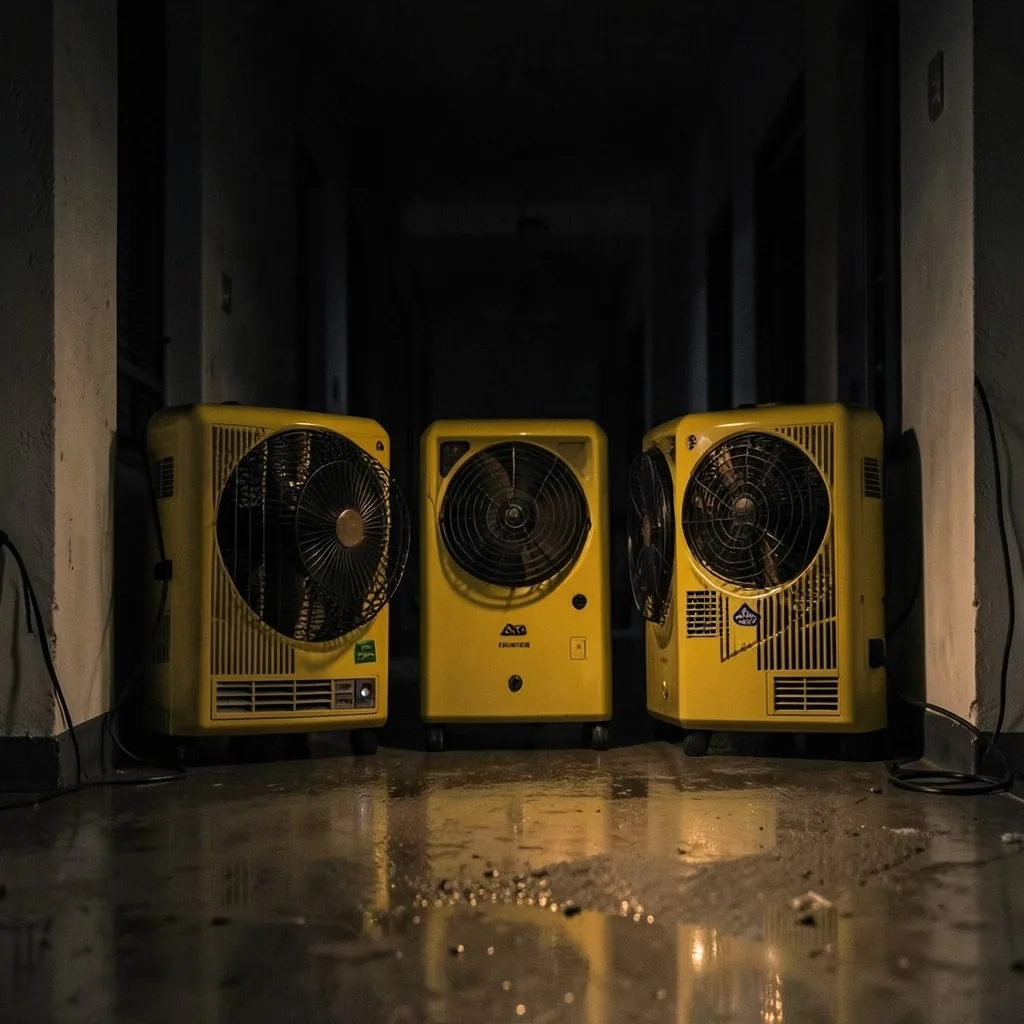
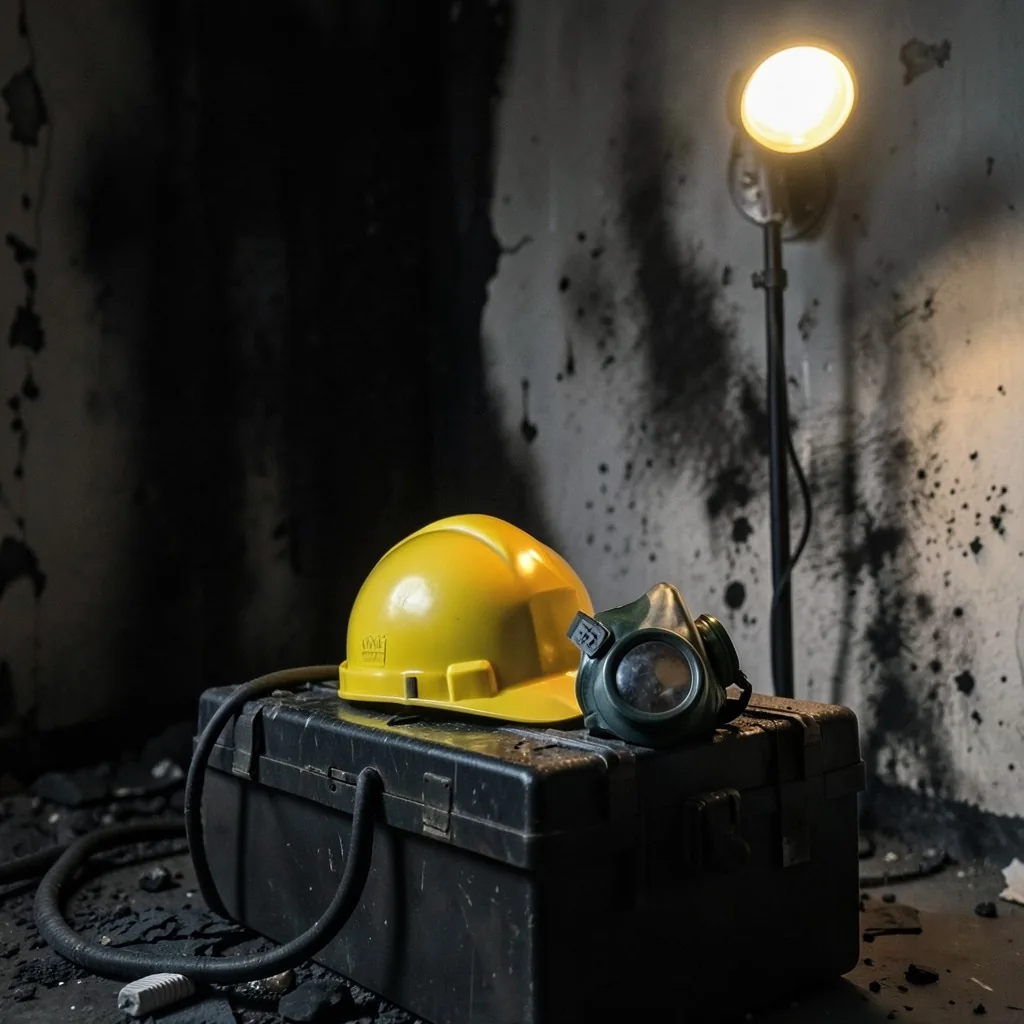
Salvage first, replace second — Minneapolis crews clean and save what they can, and are clear about what has to go.
Local speed, done to standard.
We find what you can’t see
Water, soot, and mold hide behind Minneapolis walls and under floors. Crews map the full extent with meters — not just the visible damage.
A crew that works your area
A local Minneapolis contractor reaches you faster and knows how the northern freeze belt homes fail. Proximity is part of the response.
A realistic schedule
You get a timeline after the assessment. Fast mitigation keeps the whole Minneapolis project — and the cost — as short as possible.
Done to IICRC standard
Minneapolis crews work to recognized industry practice and document the loss with photos and readings — the evidence your insurer expects.
Water spreading right now?
A vetted local crew can be on the way. One call, free to get matched.
(800) 555-0134 →Most sudden, accidental water losses in Minneapolis are insurable events, and the restoration crews we route to document the damage the way adjusters expect — with photos, moisture readings, and a line-item scope. Reputable contractors don't negotiate your claim (that's the role of a licensed public adjuster); they provide the evidence that supports a fair settlement. This is general information, not insurance advice — your policy language and state rules control. See our restoration insurance claims guide for the full process.
Basement Water Removal in Minneapolis — FAQ
Real answers on matching, cost, insurance, and getting a crew on site in Minneapolis. Don't see yours? The phone works from any page.
● (800) 555-0134How fast can a crew reach Minneapolis?
Because restoration is an emergency trade, crews serving Minneapolis are dispatched around the clock. When you call, we route you to an available local contractor — often for same-day arrival. Response time depends on current demand, but the goal is to get a crew on site as quickly as possible.
Do you cover all of Minneapolis?
Routing covers water damage, fire & smoke damage, mold across Minneapolis and its roughly 68 ZIP codes, connecting you with independent, IICRC-standard restoration contractors who work the area.
What causes most water damage in Minneapolis?
In the northern freeze belt, the common triggers are frozen and burst pipes, ice dams and roof leaks, sump-pump failures and spring melt. The classic emergency here is the winter burst pipe — hundreds of gallons an hour, often discovered hours later, plus ice-dam roof leaks and spring-melt basement flooding.
How much will basement water removal cost in Minneapolis?
Pricing depends on the category and size of the loss and the scope of drying or rebuild, and each contractor sets its own rates — so we don't quote prices here. Getting matched is free, and the contractor gives you an estimate directly. Our cost guides explain what drives restoration pricing in detail.
Why does my basement flood when the rest of the house is dry?
Because it is below grade, groundwater builds hydrostatic pressure against the foundation and pushes in through cracks, the wall-floor joint, and window wells. The basement is also the lowest point, so any water in the house drains to it and pools there with nowhere else to go. A local Minneapolis, MN contractor handles this end to end — no distant call center.
Why start with a pump instead of an extractor?
A flooded basement can hold far more water than a portable extractor is built to move. Submersible pumps clear that bulk volume from the low point quickly, and only then does extraction handle the residual moisture left in the slab and floor coverings. In Minneapolis, the same standards apply whether the loss is large or small.
Why does a basement take longer to dry?
The slab and foundation walls are masonry against cool, damp earth, so they hold and release moisture slowly and can keep feeding humidity into the space. Drying has to account for that below-grade environment, which usually means more dehumidification and monitoring than an above-grade room. Minneapolis crews document the work with photos and readings for your records and your insurer.
Will fixing the leak stop it from happening again?
Removing the water and drying the space handles this event, but recurring below-grade intrusion is driven by drainage and pressure around the foundation. Identifying the seepage point during the job points toward the repairs — sump, grading, or sealing — that reduce the chance of a repeat. How fast a Minneapolis crew reaches you depends mostly on how quickly you call.
Do the crews handle the rebuild too, or just cleanup?
Both. The independent contractors we route to in Minneapolis handle emergency mitigation and can carry the project through full restoration and rebuild — drywall, flooring, paint, and reconstruction — so you deal with one crew from the first call to move-back-in.
Is it really free to get matched?
Yes. Getting connected with a Minneapolis restoration crew is free with no obligation. The contractor assesses the loss and gives you an estimate directly; the decision to proceed is entirely yours.
Are the Minneapolis crews licensed and insured?
We route to independent, IICRC-standard restoration contractors. Each is a separate business responsible for its own licensing, insurance, and workmanship — and you're free to verify credentials before work begins.
One crew, whatever hit your property.
Basement Water Removal near Minneapolis
Read up on water & flood.
Describe the damage in Minneapolis.
Tell us what happened and a vetted local contractor reaches out. For an active emergency, calling is faster.
- Free to get matched — no obligation, ever
- Vetted, IICRC-standard local crews
- One local pro — the contractor quotes you directly
A crew that works your ZIP — not a distant call center.
Your Minneapolis crew is one call away.
Free to get matched, no obligation — the crew gives you the estimate directly.