Mold Removal in
Santa Paula, CA
The moment mold turns up a Santa Paula property, the clock is already running. One call routes you to a vetted, IICRC-standard local crew serving Santa Paula — containment, removal, and remediation.
Every hour multiplies the damage.
Mold removal in Santa Paula, CA is the containment, HEPA filtration, and removal of mold growth, combined with correcting the moisture source that fed it and verifying the area afterward — remediation performed to recognized EPA and industry guidance.
- 0–60 MIN
It spreads
Spores move to new surfaces.
- 1–24 HRS
It worsens
Growth expands behind walls.
- 24–48 HRS
It colonizes
It reaches framing and HVAC.
- 2–7 DAYS
Structure at risk
Saturation weakens framing; odor sets in.
- 1 WEEK+
Rebuild territory
Extraction becomes gut-and-rebuild.
When to call in Santa Paula.
Mold Removal in Santa Paula, done right.
- Inspection and moisture mapping to find the source
- Containment with sheeting and negative air pressure
- HEPA air filtration and scrubbing
- Removal of mold-contaminated porous materials
- Cleaning and antimicrobial treatment of salvageable surfaces
- Post-remediation verification
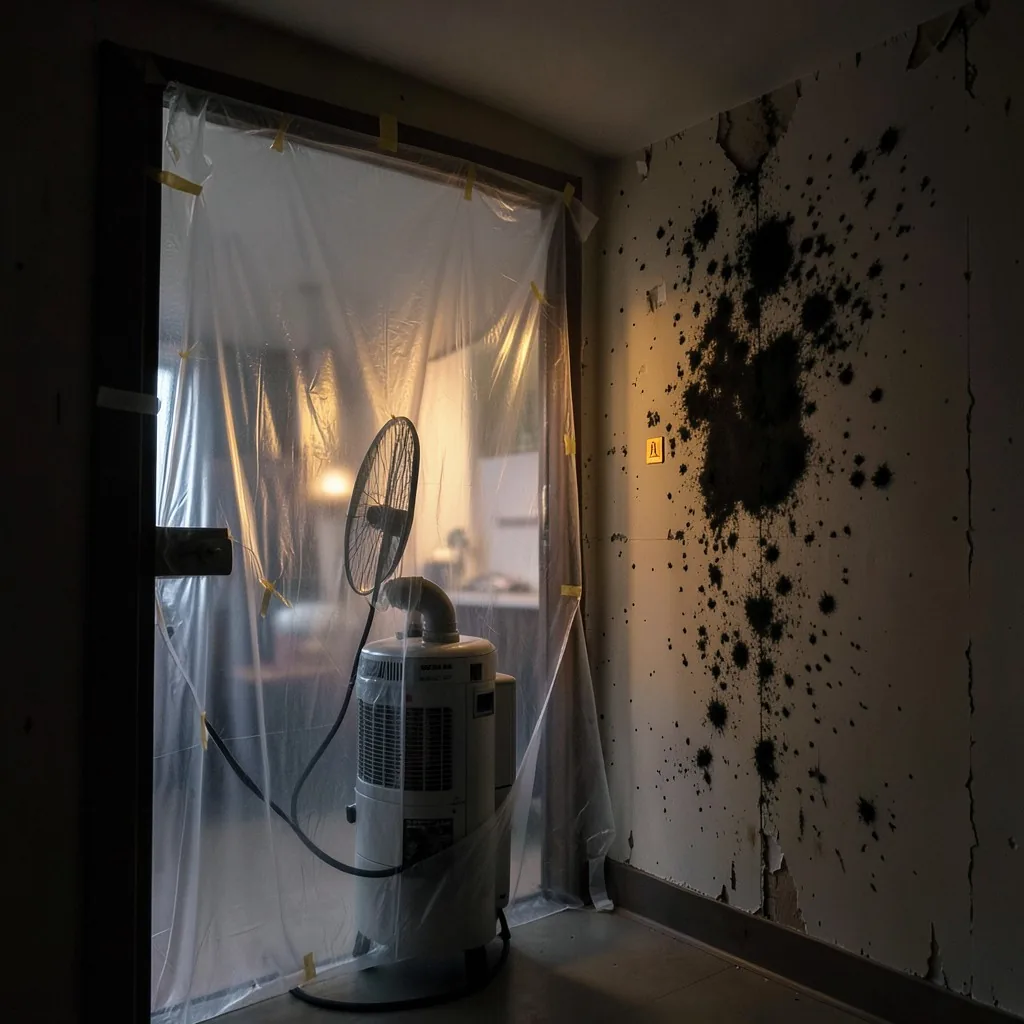
How Santa Paula crews handle it.
Inspection & moisture mapping
A crew locates visible and hidden growth and, critically, the water source feeding it — because mold always returns if the moisture is not fixed. Moisture meters and targeted access points reveal the true extent behind walls and under floors.
Containment
The work area is sealed with plastic sheeting and put under negative air pressure so spores cannot spread to clean parts of the home during removal. This containment is what separates professional remediation from a cleanup that spreads the problem.
Air filtration
HEPA air scrubbers and negative-air machines run throughout the work to capture airborne spores. The air itself is filtered, not just the surfaces.
Removal & cleaning
Contaminated porous materials are removed, and salvageable non-porous surfaces are cleaned and treated with antimicrobial to IICRC S520 practice. The goal is to remove the mold without spreading it.
Verification & source repair
The area is dried, the result is verified, and the underlying moisture source is corrected so the mold does not come back. Fixing the water problem is as important as removing the growth.
Your first 60 minutes.
- Get everyone to safety — people and pets first.
- Stop using the affected room until it’s assessed.
- Fix or shut off the moisture source if you can find it.
- Photograph and video everything before any cleanup, for your claim.
- Call for professional mitigation in Santa Paula — the sooner a crew starts, the less is lost.
- Don’t disturb visible mold — it releases spores into the air.
- Don’t just paint or bleach over it — that hides, not fixes, the problem.
- Don’t run fans over mold, which spreads spores.
- Don’t throw damaged items away before they’re documented for your claim.
What drives mold in Santa Paula.
Drier air lowers baseline mold risk, but any water event that is not dried properly can still grow mold. Wildfire risk peaks in the dry summer and fall, often affecting whole communities at once. The most common triggers around Santa Paula include wildfire and its aftermath, structural and electrical fires, burst pipes in mountain freezes. A contractor familiar with Santa Paula and the wildfire-prone West reads the loss faster — which materials to save, which to remove, and where the hidden moisture or soot has traveled.
Local dispatch covers Santa Paula and the neighboring communities of Agoura Hills, Moorpark, Newbury Park, Ojai, Port Hueneme, Westlake Village, Brea, Concord, Santa Rosa, Manhattan Beach, Marina Del Rey, and Studio City.
Every Santa Paula job is priced differently.
| Factor | Why it matters |
|---|---|
| Size of the affected area | Larger growth means more containment, removal, and clearance work. |
| Whether growth is hidden in walls or HVAC | Hidden mold requires opening walls and cleaning ductwork. |
| Type of materials that must be removed | Porous materials with growth have to be removed and replaced. |
| Extent of containment required | Sealing and negative-air setup scales with the work area. |
| Correcting the underlying moisture source | Fixing the leak or humidity issue is essential and adds scope. |
| Rebuild after removal | Replacing removed drywall and finishes is priced on top of remediation. |
Contractors set their own rates and quote you directly — see our cost guides for detail. No pricing is shown here.
The gear that dries, secures, and restores.
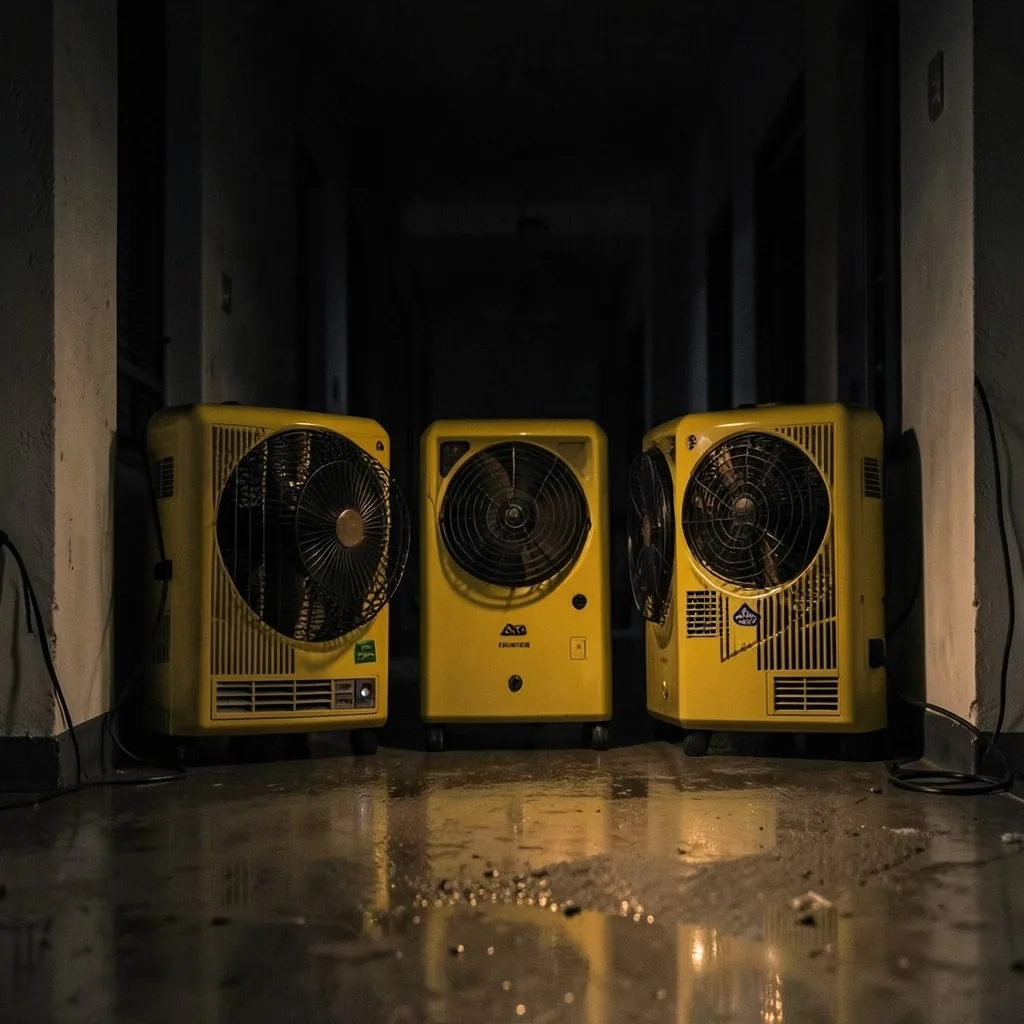
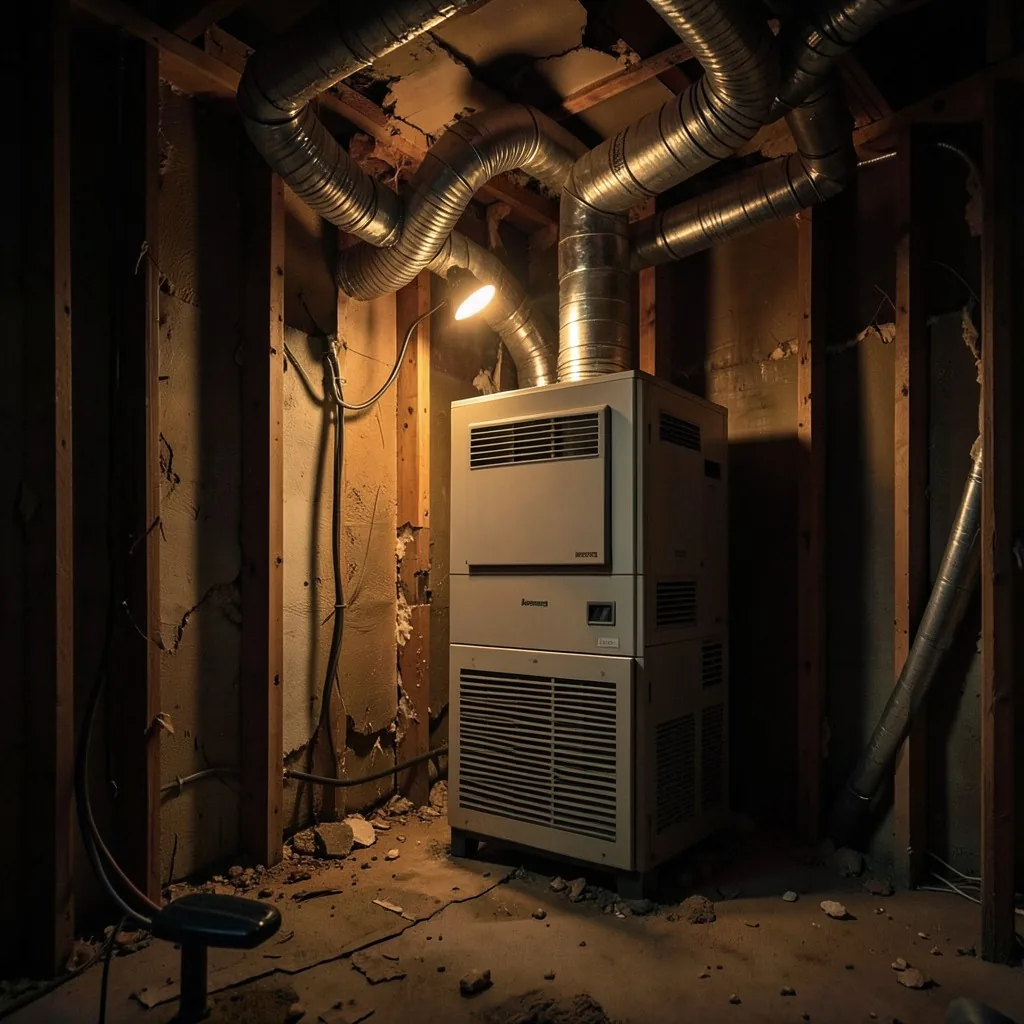
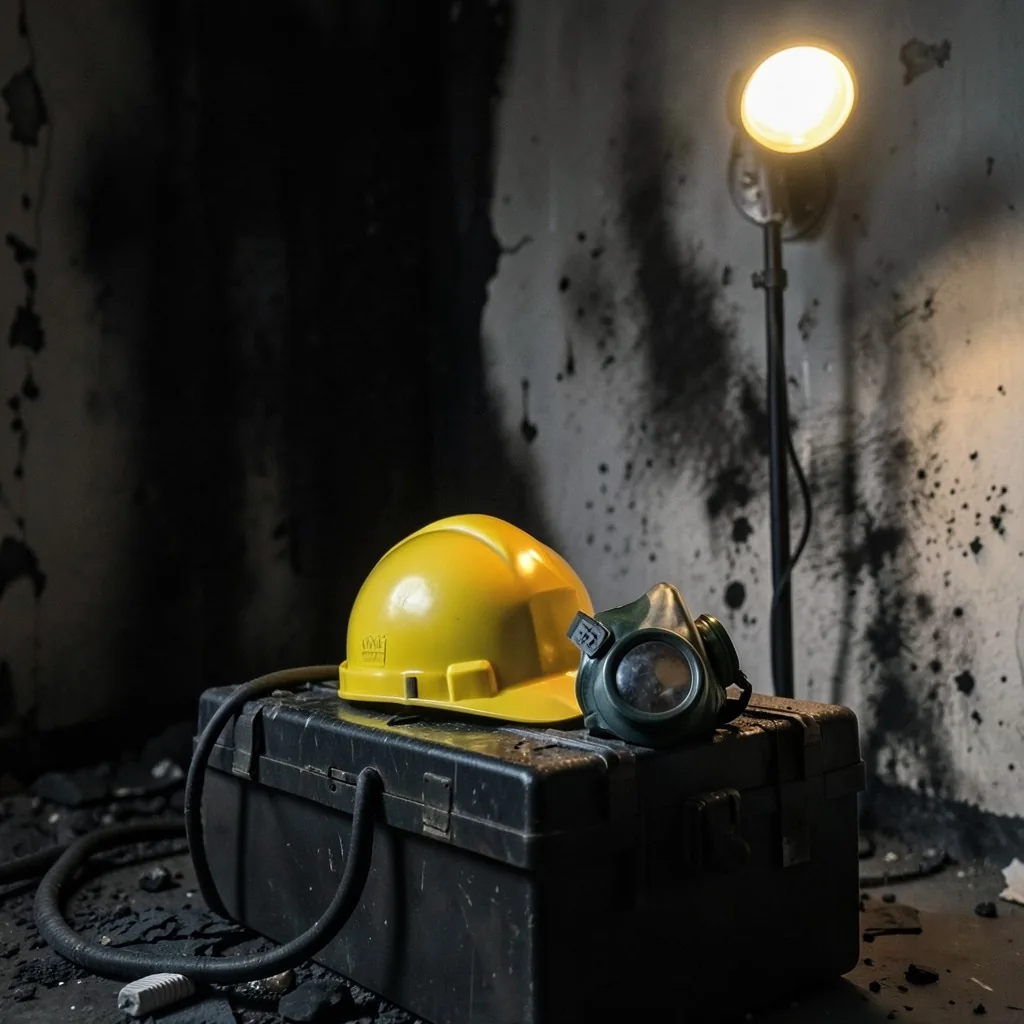
Salvage first, replace second — Santa Paula crews clean and save what they can, and are clear about what has to go.
Local speed, done to standard.
We find what you can’t see
Water, soot, and mold hide behind Santa Paula walls and under floors. Crews map the full extent with meters — not just the visible damage.
A crew that works your area
A local Santa Paula contractor reaches you faster and knows how the wildfire-prone West homes fail. Proximity is part of the response.
A realistic schedule
You get a timeline after the assessment. Fast mitigation keeps the whole Santa Paula project — and the cost — as short as possible.
Done to IICRC standard
Santa Paula crews work to recognized industry practice and document the loss with photos and readings — the evidence your insurer expects.
Found mold in Santa Paula?
A vetted local crew can be on the way. One call, free to get matched.
(800) 555-0134 →Most sudden, accidental water losses that lead to mold in Santa Paula are insurable events, and the restoration crews we route to document the damage the way adjusters expect — with photos, moisture readings, and a line-item scope. Reputable contractors don't negotiate your claim (that's the role of a licensed public adjuster); they provide the evidence that supports a fair settlement. This is general information, not insurance advice — your policy language and state rules control. See our restoration insurance claims guide for the full process.
Mold Removal in Santa Paula — FAQ
Real answers on matching, cost, insurance, and getting a crew on site in Santa Paula. Don't see yours? The phone works from any page.
● (800) 555-0134How fast can a crew reach Santa Paula?
Crews serving Santa Paula schedule inspections and remediation promptly. When you call, we route you to an available local contractor — often for same-day arrival. Response time depends on current demand, but the goal is to get a crew on site as quickly as possible.
Do you cover all of Santa Paula?
Routing covers water damage, fire & smoke damage, mold across Santa Paula and its roughly 2 ZIP codes, connecting you with independent, IICRC-standard restoration contractors who work the area.
What causes most mold in Santa Paula?
In the wildfire-prone West, the common triggers are wildfire and its aftermath, structural and electrical fires, burst pipes in mountain freezes. Drier air lowers baseline mold risk, but any water event that is not dried properly can still grow mold.
How much will mold removal cost in Santa Paula?
Pricing depends on the category and size of the loss and the scope of drying or rebuild, and each contractor sets its own rates — so we don't quote prices here. Getting matched is free, and the contractor gives you an estimate directly. Our cost guides explain what drives restoration pricing in detail.
Is mold dangerous?
The EPA and CDC note indoor mold can cause allergy-type symptoms in some people and should be removed, and that the moisture feeding it must be fixed or it returns. This is general information, not medical advice — for health concerns, consult a physician. A local Santa Paula, CA contractor handles this end to end — no distant call center.
Can I just clean mold with bleach?
Surface cleaning may handle a very small spot, but larger areas, hidden growth, and HVAC contamination call for professional containment and HEPA methods so spores are not spread through the home during removal. In Santa Paula, the same standards apply whether the loss is large or small.
Will mold come back after removal?
Not if the moisture source is corrected. Professional remediation always includes finding and fixing the water problem feeding the mold — otherwise it regrows. Santa Paula crews document the work with photos and readings for your records and your insurer.
Do the crews handle the rebuild too, or just cleanup?
Both. The independent contractors we route to in Santa Paula handle emergency mitigation and can carry the project through full restoration and rebuild — drywall, flooring, paint, and reconstruction — so you deal with one crew from the first call to move-back-in.
Is it really free to get matched?
Yes. Getting connected with a Santa Paula restoration crew is free with no obligation. The contractor assesses the loss and gives you an estimate directly; the decision to proceed is entirely yours.
Are the Santa Paula crews licensed and insured?
We route to independent, IICRC-standard restoration contractors. Each is a separate business responsible for its own licensing, insurance, and workmanship — and you're free to verify credentials before work begins.
One crew, whatever hit your property.
Read up on mold removal.
Request a mold inspection in Santa Paula.
Tell us what happened and a vetted local contractor reaches out. For an active emergency, calling is faster.
- Free to get matched — no obligation, ever
- Vetted, IICRC-standard local crews
- One local pro — the contractor quotes you directly
A crew that works your ZIP — not a distant call center.
Get a Santa Paula crew to inspect.
Free to get matched, no obligation — the crew gives you the estimate directly.