Fire Damage Restoration in
Charlotte, VT
A fire emergency in Charlotte doesn't wait, and neither should your response. One call routes you to a vetted, IICRC-standard local crew serving Charlotte — 24/7 emergency mitigation and full property recovery.
These Charlotte counts originate with the Census Bureau — boundary and land data published 2023, household and dwelling averages sampled across five years to 2022. Distances are point to point.
Why does every hour of delay cost more?
Fire damage restoration in Charlotte, VT is the full recovery after a fire: securing the property, cleaning corrosive soot and smoke residue, removing odor, drying the water used to extinguish the fire, and rebuilding the damaged structure.
- 0–60 MIN
Scope still small
Same-day soot cleanup keeps the job a surface-cleaning estimate.
- 1–24 HRS
Corrosion adds cost
Corroding metal and stained contents add a replacement line to the invoice.
- 24–48 HRS
Secondary loss opens
Firefighting water left behind can add a full drying phase to the quote.
- 2–7 DAYS
Budget climbs
Weakened framing from lingering moisture turns cleanup into a structural-repair estimate.
- 1 WEEK+
Total reconstruction
A week of untreated soot and moisture pushes the job into full reconstruction.
When should you call a crew in Charlotte?
What does fire damage restoration in Charlotte involve?
- Emergency board-up and roof tarping to secure the property
- Soot and smoke residue cleaning from surfaces and contents
- Odor removal with HEPA vacuuming, thermal fogging, and deodorizing
- Water extraction and drying from firefighting efforts
- Contents cleaning and pack-out
- Structural repair and full rebuild
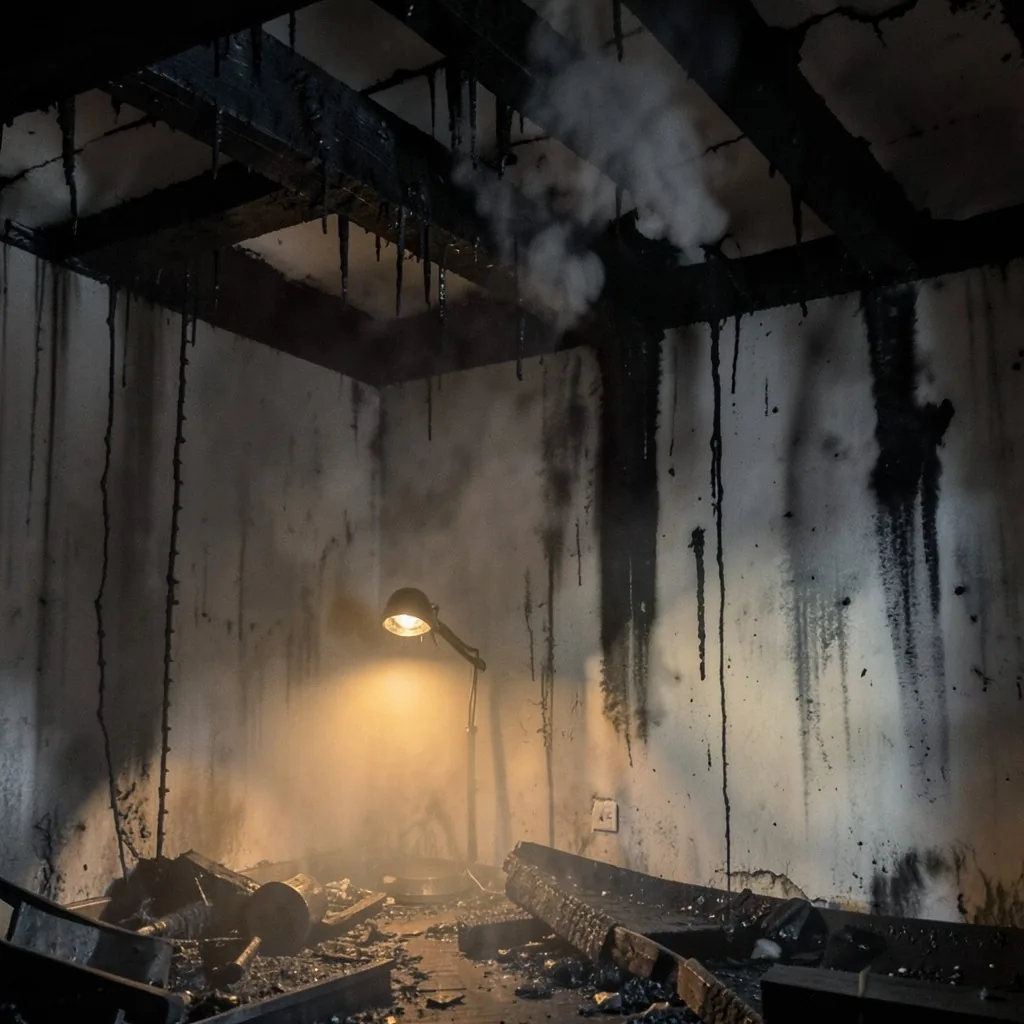
How do Charlotte crews handle it?
Secure the property
Emergency board-up and roof tarping keep weather, animals, and intruders out while the loss is assessed. Securing the structure immediately prevents a second, avoidable loss on top of the fire damage.
Assessment
The crew determines what can be cleaned versus what must be removed across structure, contents, and systems, and inspects for smoke penetration well beyond the burned rooms. Everything salvageable is inventoried before anything is written off.
Water removal & drying
Water used to fight the fire is extracted and the structure dried, so a fire loss does not quietly become a water and mold loss. This step runs in parallel with securing and cleaning to save time.
Soot & smoke cleaning
Soot cleaning, HEPA vacuuming, thermal fogging, and specialized deodorizing address active residue and odor throughout the home, including inside the HVAC system. Because soot keeps etching and corroding, this work starts as soon as it is safe.
Restoration & rebuild
Because fire losses are often total or near-total in the affected rooms, the same crew typically carries the project through full structural rebuild. One accountable team means no gap between cleanup and reconstruction.
What should you do in the first 60 minutes?
- Confirm every person and pet is safely away from the building.
- Don’t attempt entry until officials confirm the structure is cleared.
- Avoid touching soot-covered surfaces — leave that documentation and cleaning to a crew.
- Build a room-by-room photo record of the damage for your claim file.
- Report the loss and start mitigation promptly — an adjuster will expect an early response on record.
- Call for professional mitigation in Charlotte — the sooner a crew starts, the less is lost.
- Don’t assume it’s safe to go back in just because the fire is out — wait for the clearance.
- Don’t cycle central air while soot is unaddressed; it complicates the cleanup scope.
- Don’t try a DIY wipe-down of residue — an improvised cleaning attempt can undercut a claim.
- Don’t dispose of damaged contents before they’re photographed for the adjuster.
What drives fire damage in Charlotte?
Heating-season fires — furnaces, space heaters, and chimneys — are the seasonal fire risk. Water losses spike in deep winter, when a pipe can freeze, split, and flood a home before anyone is home to notice. The most common triggers around Charlotte include frozen and burst pipes, ice dams and roof leaks, sump-pump failures and spring melt. A contractor familiar with Charlotte and the northern freeze belt reads the loss faster — which materials to save, which to remove, and where the hidden moisture or soot has traveled. Crews dispatched to Charlotte also cover nearby communities including North Ferrisburgh (5 mi) and Shelburne (6 mi).
Local dispatch covers Charlotte and the neighboring communities of Burlington, Bristol, Colchester, Waterbury, Bridport, Cambridge, Montpelier, Adamant, Calais, Bakersfield, Barre, and Belvidere Center.
Why is every Charlotte job priced differently?
| Factor | Why it matters |
|---|---|
| How deeply odor has absorbed into porous materials | Deeper penetration requires source removal rather than surface treatment alone. |
| Square footage requiring thermal fogging | Larger treatment areas take more fogging passes and material. |
| Whether HVAC ductwork needs cleaning | Contaminated ducts add a separate service to stop recirculating odor. |
| Type of active air treatment required | Equipment run time and treatment duration scale with odor severity. |
| Volume of porous material requiring removal | Discarding and replacing saturated materials adds to the total scope. |
| Number of treatment cycles needed for full clearance | Severe odor sometimes needs more than one round of treatment to fully clear. |
Contractors set their own rates and quote you directly — see our cost guides for detail. No pricing is shown here.
What equipment does the work actually require?
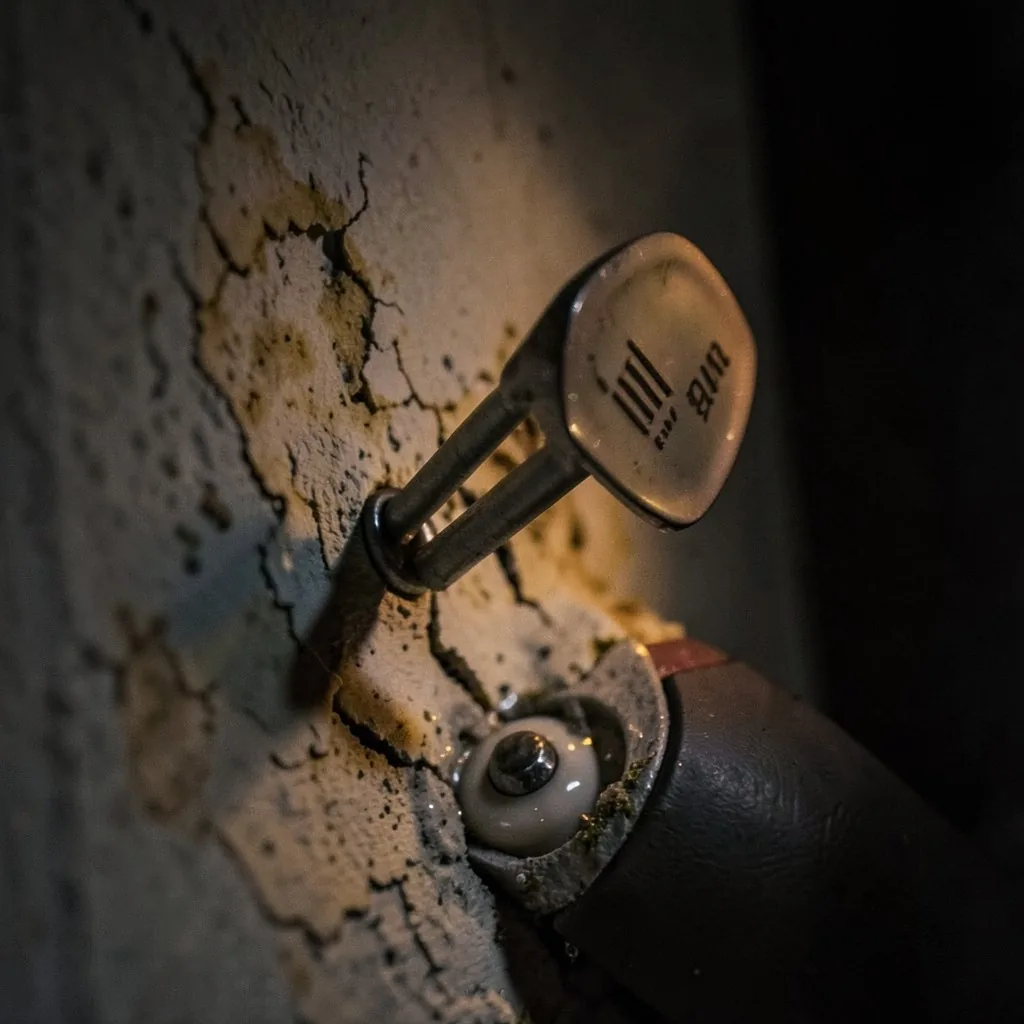
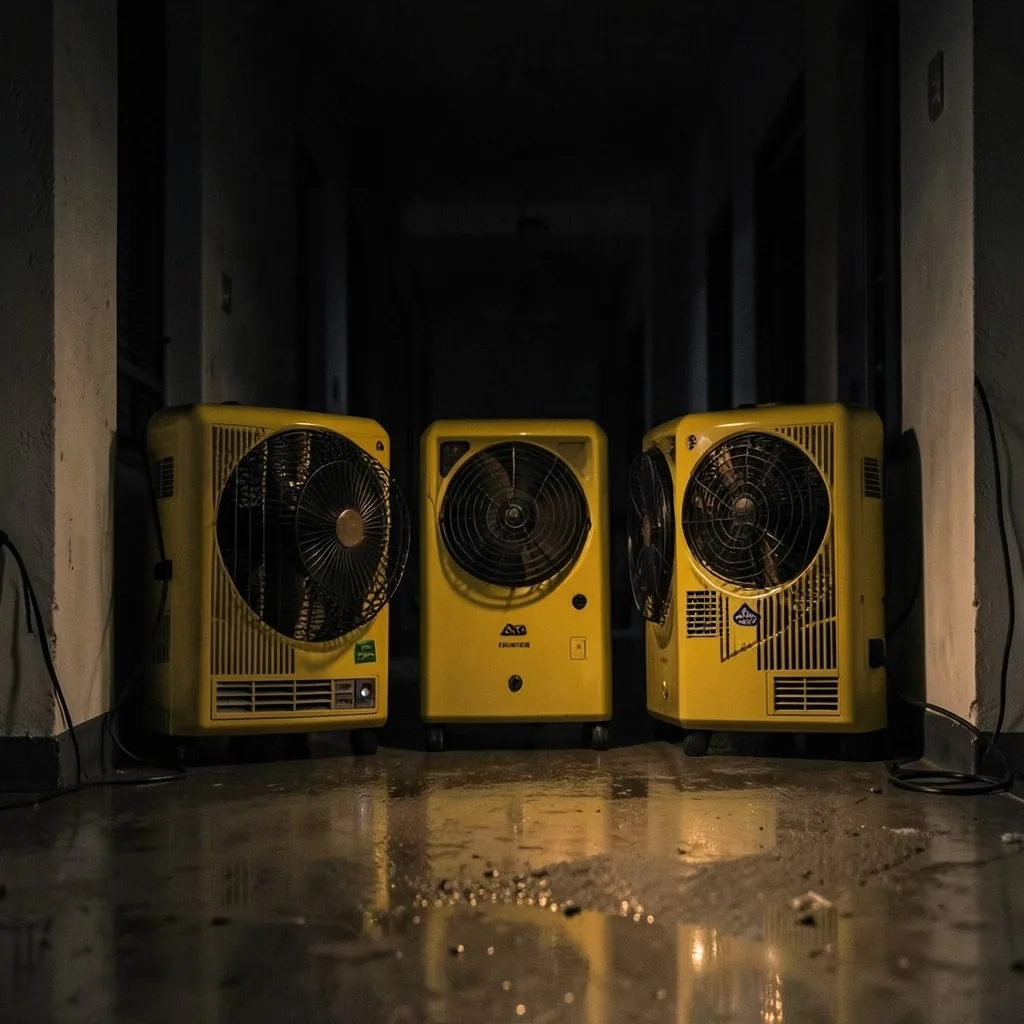
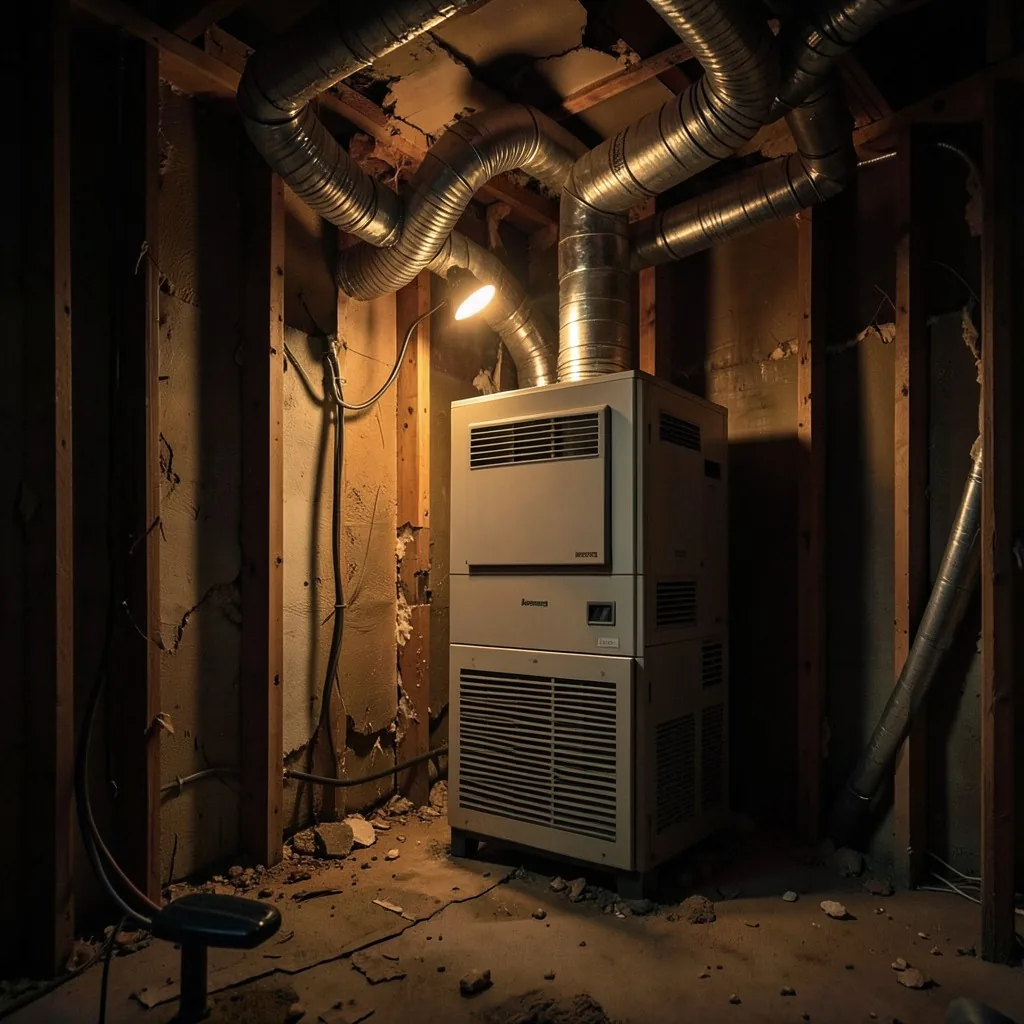
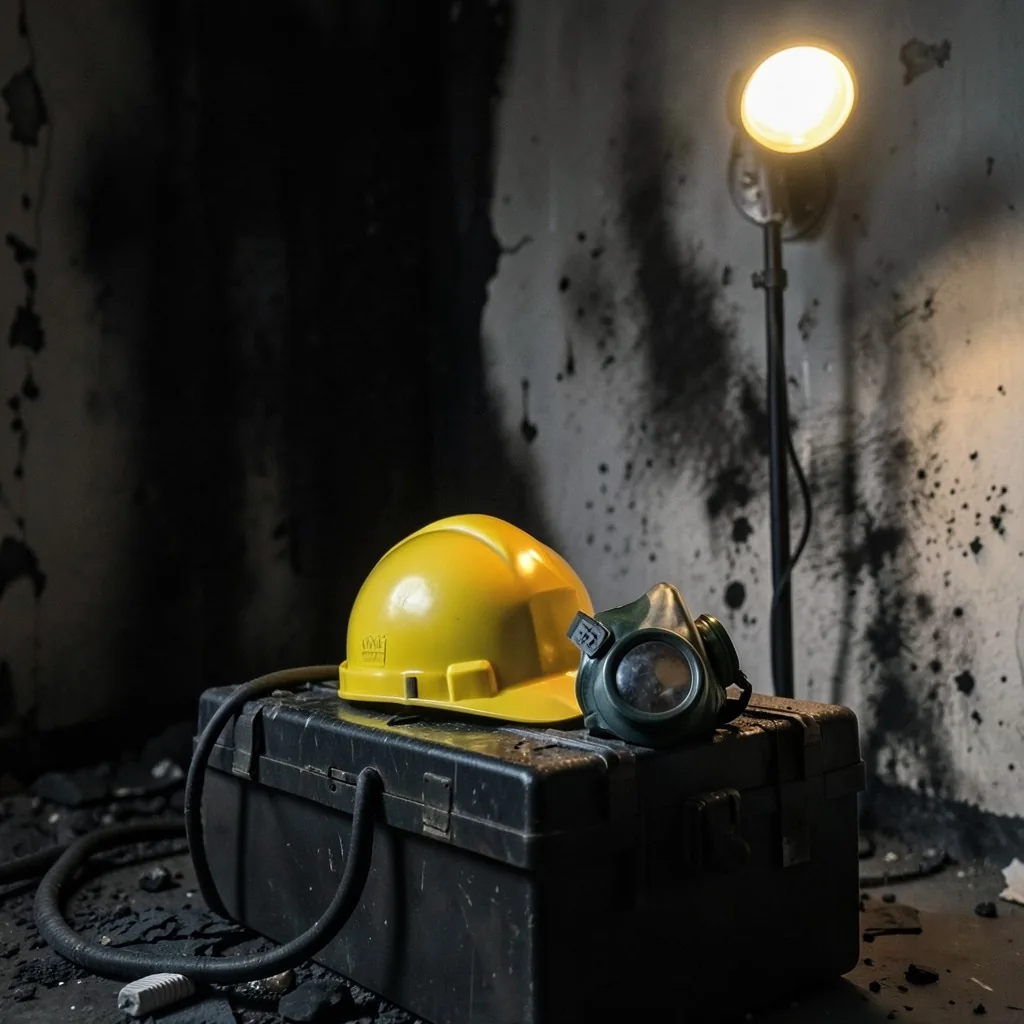
Salvage first, replace second — Charlotte crews clean and save what they can, and are clear about what has to go.
What standards do local crews work to?
Built for the adjuster’s file
Photographs, a room-by-room inventory, and a written scope arrive the way a carrier expects to review a fire claim.
Independent crews near you
Routing connects you to an independent contractor already working your ZIP code, not a distant call center.
A scope before the work starts
An estimate is written and shared before reconstruction begins, so the bill matches what was actually agreed.
Work to a named standard
Cleaning and deodorization follow IICRC S700 fire restoration protocol, with paperwork an adjuster typically wants attached.
Fire damage right now?
A vetted local crew can be on the way. One call, free to get matched.
(877) 817-2440 →A thorough record helps a fire claim regardless of outcome: photos before boarding or cleanup starts, an inventory of damaged contents, and a scope covering both smoke remediation and structural repair. Contractors typically provide this documentation; what your policy actually pays is your carrier’s decision, not the crew’s. Coverage terms and exclusions vary by insurer and by state, so nothing here should be read as a promise of reimbursement — your own policy is the real answer. See our restoration insurance claims guide for the full process.
Fire Damage Restoration in Charlotte — FAQ
Real answers on matching, cost, insurance, and getting a crew on site in Charlotte. Don't see yours? The phone works from any page.
● (877) 817-2440How fast can a crew reach Charlotte?
Because restoration is an emergency trade, crews serving Charlotte are dispatched around the clock. When you call, we route you to an available local contractor — often for same-day arrival. Response time depends on current demand, but the goal is to get a crew on site as quickly as possible.
Do you cover all of Charlotte?
Charlotte falls inside the coverage area for water damage, fire & smoke damage, through independent, IICRC-standard contractors vetted before they take a call there. Much of the area around Charlotte is unincorporated township and scattered acreage rather than platted subdivisions.
What causes most fire damage in Charlotte?
Charlotte sees the same regional pattern as the rest of the northern freeze belt: frozen and burst pipes, ice dams and roof leaks, sump-pump failures and spring melt account for most calls. Heating-season fires — furnaces, space heaters, and chimneys — are the seasonal fire risk. Crews dispatched to Charlotte also cover nearby communities including North Ferrisburgh (5 mi) and Shelburne (6 mi).
How much will fire damage restoration cost in Charlotte?
There's no set rate for fire damage restoration in Charlotte — scope, category, and drying time all move the total, and each contractor quotes independently. Matching is free with no obligation, and the full estimate comes from the crew that inspects the loss. A house of this vintage in Charlotte may still carry polybutylene plumbing or aluminium wiring, and a crew that recognizes it adjusts the repair plan accordingly.
Why won't the smoke smell go away with air fresheners or fans?
Odor-causing compounds bind into porous materials below the surface, so covering the smell or airing out a room does not remove the source. It takes source removal or active treatment to actually eliminate it. Charlotte crews document the work with photos and readings for your records and your insurer.
What is thermal fogging?
It is a deodorizing method that generates a very fine fog able to travel into cracks, cavities, and porous surfaces the same way smoke originally did, treating odor in places liquid cleaning cannot reach. How fast a Charlotte crew reaches you depends mostly on how quickly you call.
Can HVAC systems spread smoke odor?
Yes. If the system ran during or after a fire, smoke particulate is often pulled into ductwork and recirculated through the home, which is why ducts get inspected as part of a full odor treatment. A local Charlotte, VT contractor handles this end to end — no distant call center.
Do the crews handle the rebuild too, or just cleanup?
Both. The independent contractors we route to in Charlotte handle emergency mitigation and can carry the project through full restoration and rebuild — drywall, flooring, paint, and reconstruction — so you deal with one crew from the first call to move-back-in.
Is it really free to get matched?
Yes — there's no charge to get matched. A Charlotte contractor inspects the loss and quotes you directly, and you decide from there with zero obligation to move forward.
Are the Charlotte crews vetted?
We route to independent, IICRC-standard restoration contractors. Each is a separate business responsible for its own credentials, cover and workmanship — and you're free to verify those directly before any work begins.
Can one crew handle every kind of damage?
What's the difference between mitigation, remediation, restoration and repair?
These four words appear interchangeably in adverts and on invoices. They are not interchangeable, and the difference is usually where a Charlotte homeowner and a contractor end up disagreeing about scope.
Inspection comes before all of it and is not the same as a quote. It establishes how far fire and smoke damage actually reaches in a Charlotte property — usually with moisture meters, and sometimes thermal imaging — because the visible edge is rarely the real edge.
Mitigation means limiting the damage that has already started. It is the first crew on site in Charlotte, and it is measured in hours: stopping the loss getting worse before anything gets rebuilt. Because it prevents a bigger claim, it is the one phase insurers rarely want delayed while a scope is agreed.
Remediation, or cleanup, is the corrective phase: taking out what is beyond saving, cleaning what is not, and drying the structure until readings say it is done. How far past the visible damage a crew cuts is a judgement call, and it is the main reason two Charlotte scopes differ.
Restoration is the umbrella: everything from the first emergency call to a finished room. Used strictly it includes both of the phases above.
Repair (or reconstruction) is the rebuild at the end — drywall, flooring, paint, cabinetry. It is a separate phase with its own schedule, and quotes frequently exclude it. Always ask which you are being quoted.
Pack-out means the contents leave the property to be cleaned and stored while restoration proceeds. It is billed separately from structural work, so check which Charlotte quote includes it before comparing totals.
Verification proves the job is finished rather than merely looking finished. It documents that materials are dry to standard, and it is the paperwork you will want if the property is later sold or claimed on. Ask for it explicitly; it is not always offered.
Worth doing before you choose a Charlotte contractor: ask each one which of these phases their price actually covers. Most disputes about a restoration bill trace back to one quote including reconstruction and the other not — which is a scope difference, not an honesty problem, but it only surfaces once the work is underway. Getting it in writing at the estimate stage costs nothing and settles it.
Fire Damage Restoration near Charlotte
Read up on fire & smoke.
Describe the damage in Charlotte.
Tell us what happened and a vetted local contractor reaches out. For an active emergency, calling is faster.
- Free to get matched — no obligation, ever
- Vetted, IICRC-standard local crews
- One local pro — the contractor quotes you directly
A crew that works your ZIP — not a distant call center.
Your Charlotte crew is one call away.
Free to get matched, no obligation — the crew gives you the estimate directly.