Fire Damage Restoration in
Cambridge, VT
Cambridge homeowners facing fire damage have one job: get a crew on site fast. We connect you with an independent, IICRC-standard restoration contractor who works Cambridge — on site fast, with mitigation through full rebuild.
Figures shown for Cambridge are drawn from federal public records: Census Bureau geography files released in 2023, paired with survey averages covering 2018 through 2022. Mileage reflects straight-line separation.
Why does every hour of delay cost more?
Fire damage restoration in Cambridge, VT is the full recovery after a fire: securing the property, cleaning corrosive soot and smoke residue, removing odor, drying the water used to extinguish the fire, and rebuilding the damaged structure.
- 0–60 MIN
It spreads
Soot etches surfaces; smoke odor sets in.
- 1–24 HRS
It worsens
Metal corrodes; contents stain.
- 24–48 HRS
Mold begins
Microbial growth can start.
- 2–7 DAYS
Structure at risk
Saturation weakens framing; odor sets in.
- 1 WEEK+
Rebuild territory
Extraction becomes gut-and-rebuild.
When should you call a crew in Cambridge?
What does fire damage restoration in Cambridge involve?
- Perimeter securing of doors, windows, and roof breaches with plywood and tarping
- Structural triage to flag compromised load-bearing elements before anyone re-enters
- Temporary weatherproofing to prevent further exposure during the claim process
- Coordination of egress and access points for ongoing work
- Sequenced reconstruction from framing through final finishes
- Final walkthrough and punch list before occupancy resumes
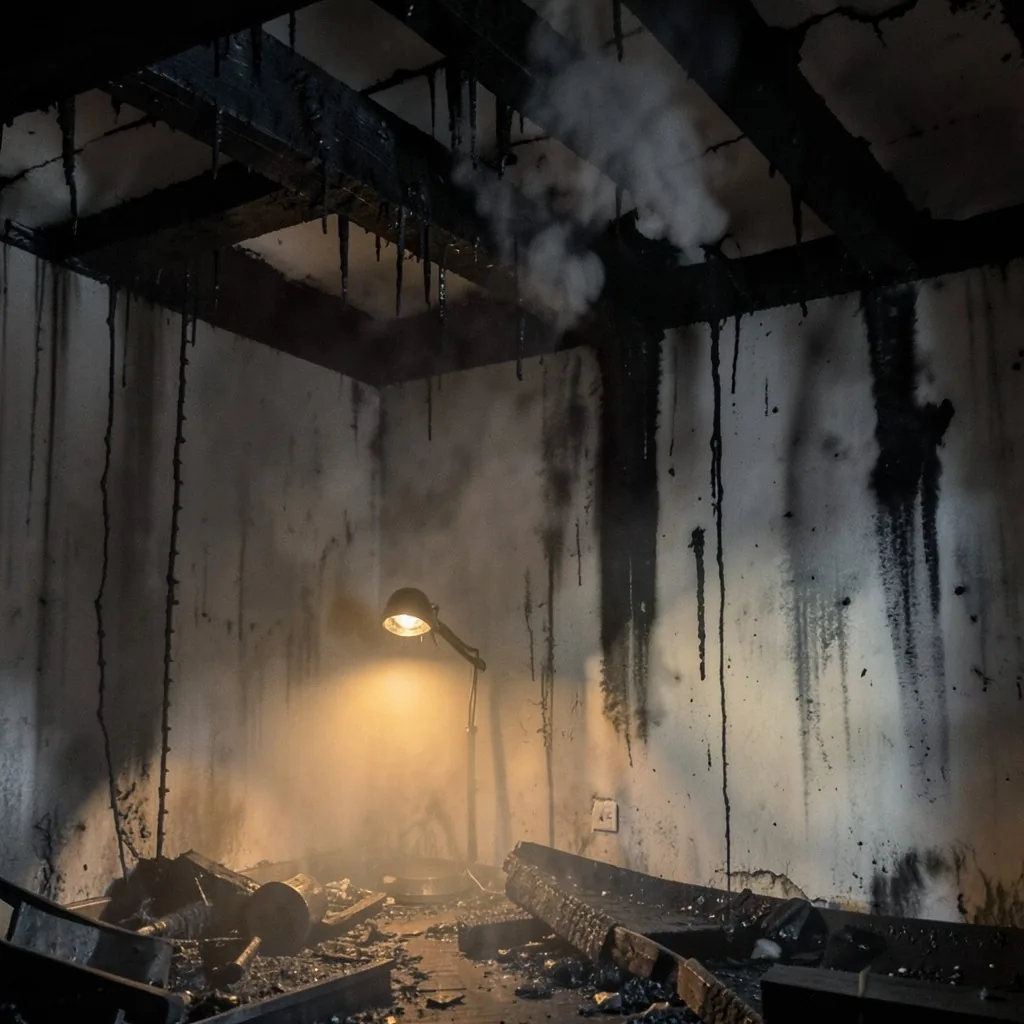
How do Cambridge crews handle it?
Inventory and documentation
Before anything is moved, contents are photographed and logged room by room, creating a record that supports the insurance claim and tracks every item through cleaning and storage.
Pack-out
Belongings are boxed and transported to an off-site facility, removing them from the smoke-contaminated environment so cleaning can proceed away from ongoing structural work and further soot exposure.
Salvage assessment
Each item is evaluated individually — textiles, furniture, electronics, and personal items each have different thresholds for what can be cleaned and what has to be classified unrestorable and disposed of.
Specialized cleaning
Textiles go through washing or dry-cleaning matched to the fabric, electronics get specialized cleaning to remove corrosive soot from internal components, and other categories follow their own restoration processes rather than one blanket method.
Storage and return
Restored items are held in climate-controlled storage until the structure passes final inspection, then returned and placed according to the original inventory so nothing gets lost in the move back.
What should you do in the first 60 minutes?
- Account for everyone and get clear of the structure first.
- Stay out until the fire department gives an all-clear — smoldering pockets can reignite.
- Leave caustic soot where it sits; wiping or brushing it just works the residue deeper into the surface.
- Take photos and video of the damage before anything gets touched or moved.
- Line up a restoration contractor quickly — corrosive residue keeps working the longer it’s left alone.
- Call for professional mitigation in Cambridge — the sooner a crew starts, the less is lost.
- Don’t assume it’s safe to go back in just because the fire is out — wait for the clearance.
- Don’t cycle central air while soot is unaddressed; it complicates the cleanup scope.
- Don’t try a DIY wipe-down of residue — an improvised cleaning attempt can undercut a claim.
- Don’t dispose of damaged contents before they’re photographed for the adjuster.
What drives fire damage in Cambridge?
Heating-season fires — furnaces, space heaters, and chimneys — are the seasonal fire risk. Water losses spike in deep winter, when a pipe can freeze, split, and flood a home before anyone is home to notice. The most common triggers around Cambridge include frozen and burst pipes, ice dams and roof leaks, sump-pump failures and spring melt. A contractor familiar with Cambridge and the northern freeze belt reads the loss faster — which materials to save, which to remove, and where the hidden moisture or soot has traveled. Much of the area around Cambridge is unincorporated township and scattered acreage rather than platted subdivisions.
Local dispatch covers Cambridge and the neighboring communities of Bakersfield, Belvidere Center, Colchester, Burlington, Waterbury, Calais, Montpelier, Adamant, Charlotte, Alburgh, Cabot, and Bristol.
Why is every Cambridge job priced differently?
| Factor | Why it matters |
|---|---|
| Extent of structural fire damage | Charred framing and structure drive the biggest rebuild costs. |
| How far smoke and soot spread | Wider soot and odor means more cleaning and deodorizing. |
| Contents that must be cleaned or replaced | Salvaging contents costs less than replacing them. |
| Water damage from firefighting | Extraction and drying add a second discipline to the job. |
| Scope of deodorizing required | Heavier odor takes more fogging, sealing, and time. |
| Extent of the rebuild | Reconstruction of damaged rooms is priced separately from cleanup. |
Contractors set their own rates and quote you directly — see our cost guides for detail. No pricing is shown here.
What equipment does the work actually require?
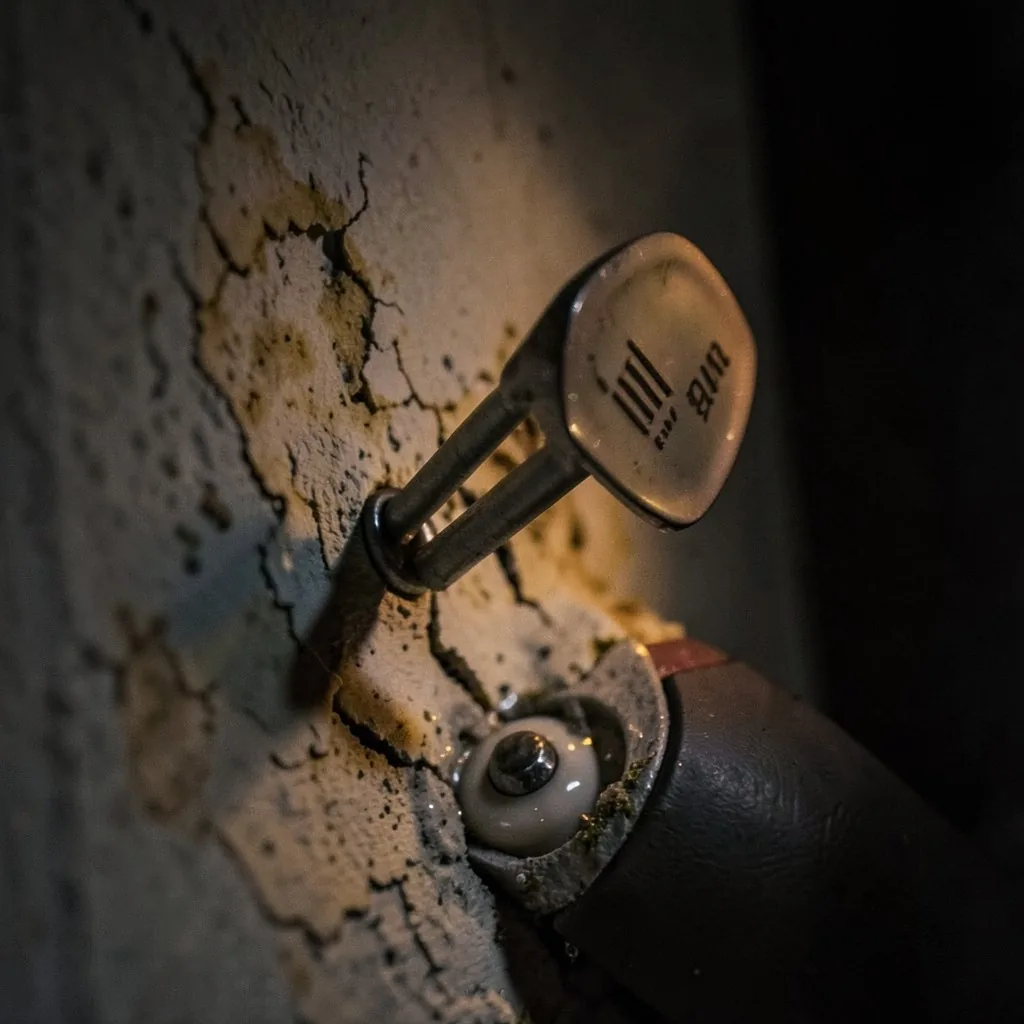
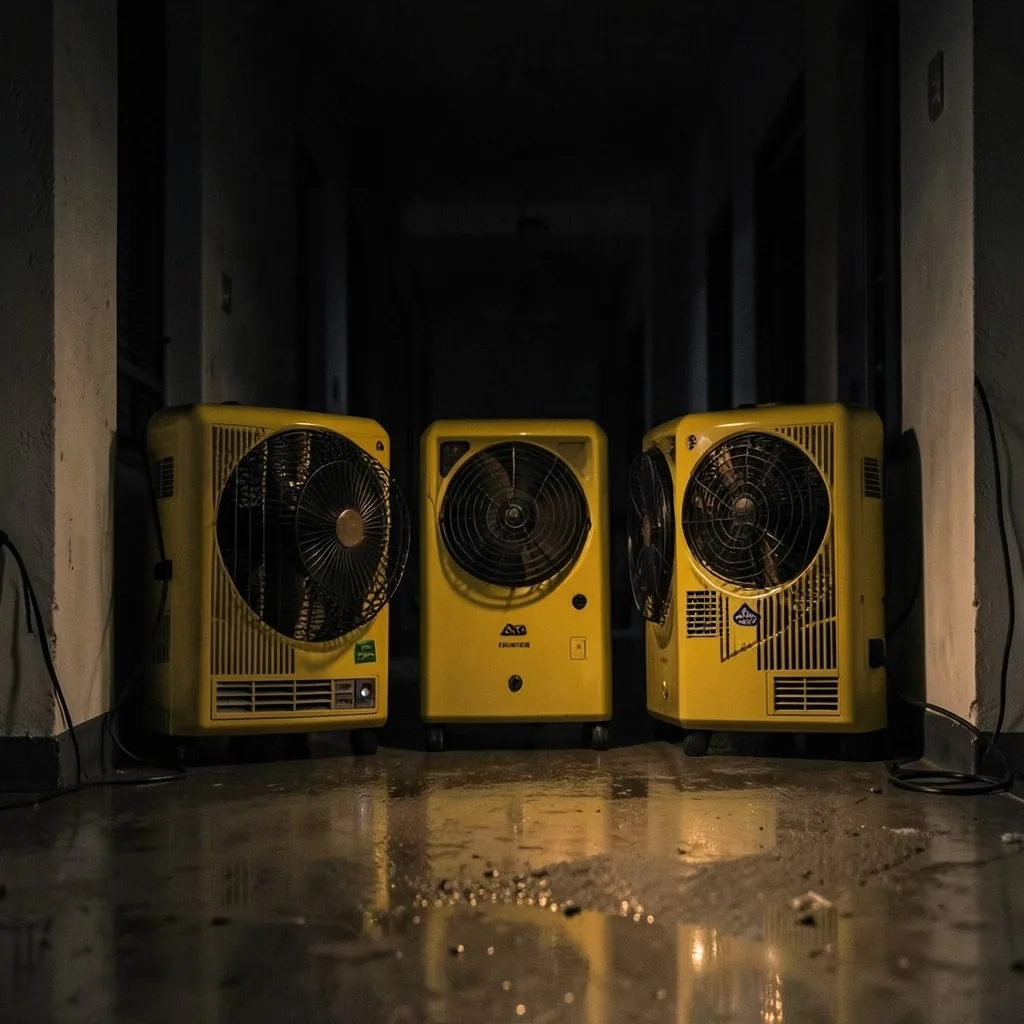
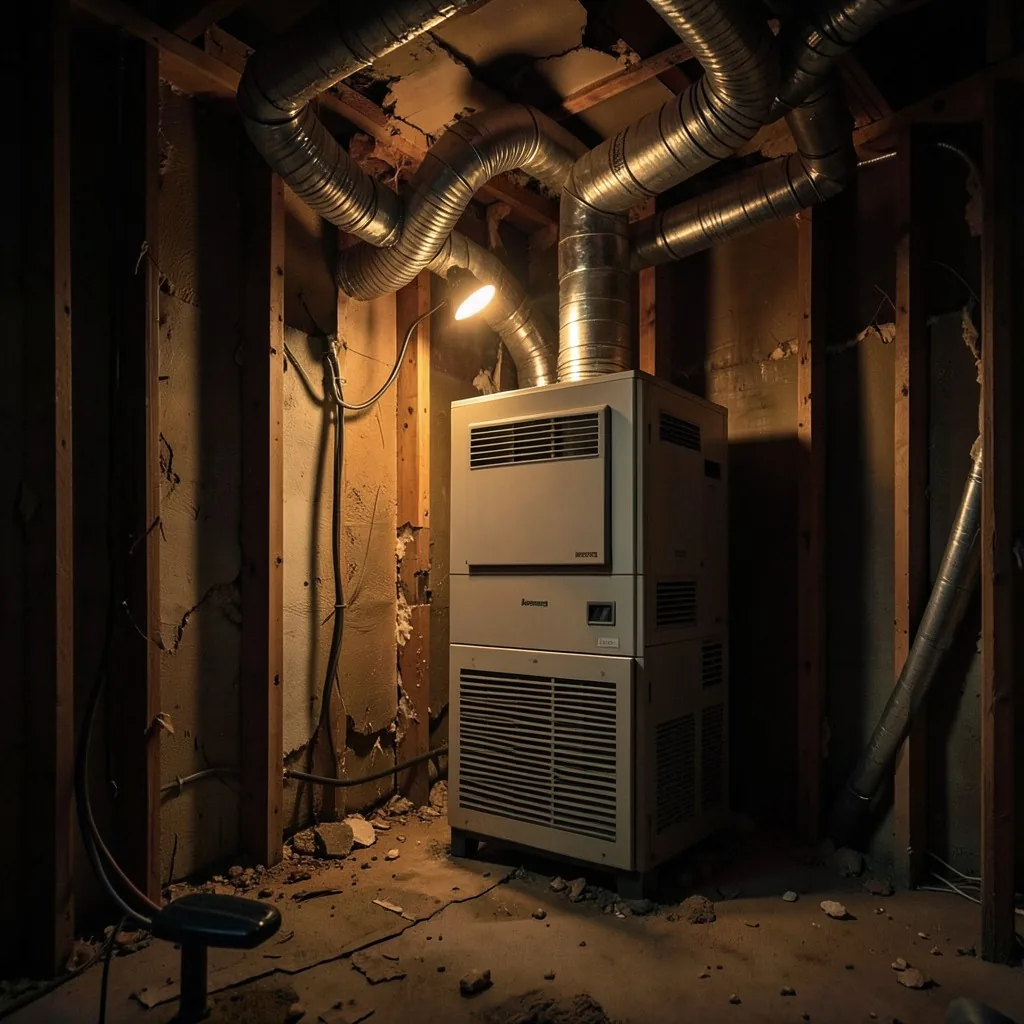
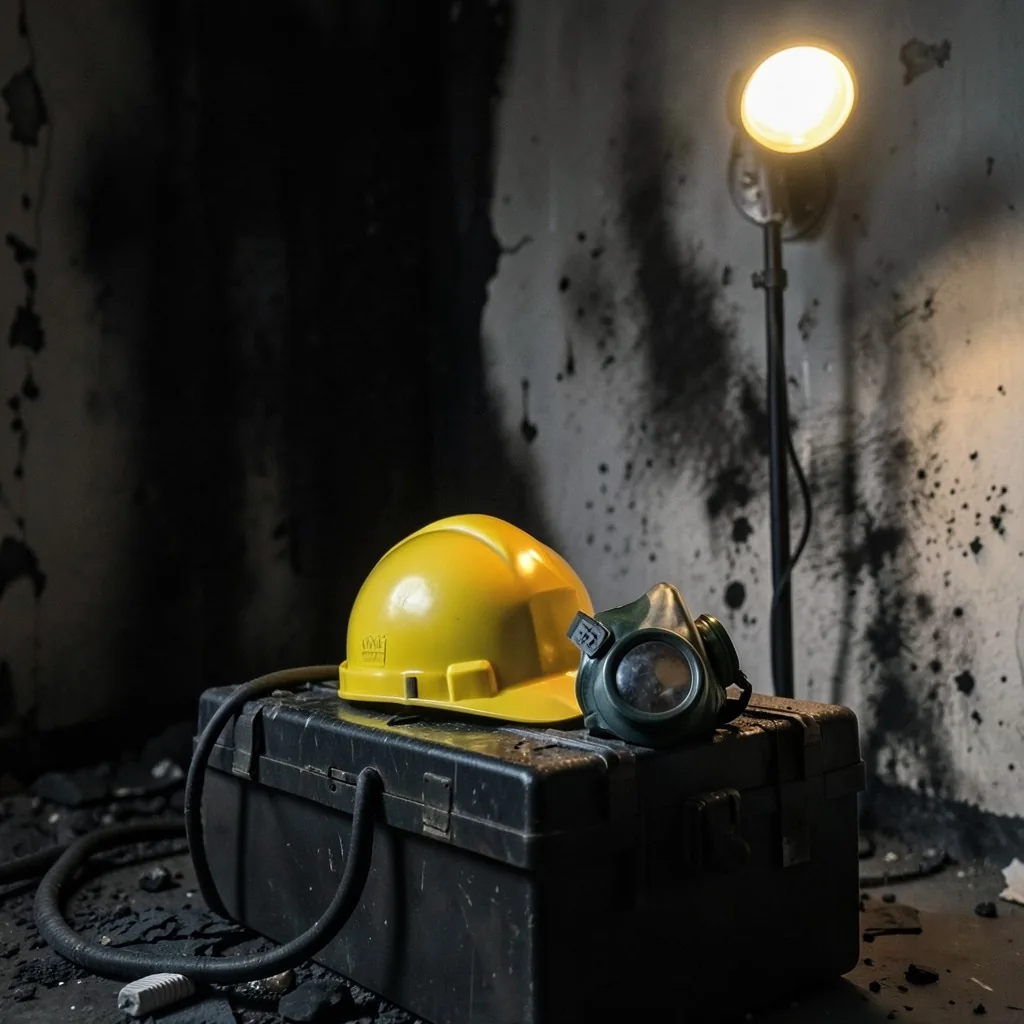
Salvage first, replace second — Cambridge crews clean and save what they can, and are clear about what has to go.
What standards do local crews work to?
Residue that keeps working
Soot stays chemically active — it etches glass and corrodes metal the longer it sits untreated on a surface.
Where smoke actually travels
HVAC ductwork carries smoke odor into rooms the fire never reached, so inspection covers more than the burn area.
Deodorizing, not masking
Ozone or hydroxyl treatment neutralizes smoke odor at the source instead of covering it with a spray.
Salvage decided item by item
Belongings are assessed individually — cleaned and stored where possible, documented as a loss where they can’t be saved.
Fire damage right now?
A vetted local crew can be on the way. One call, free to get matched.
(877) 817-2440 →Whether a fire loss is fully covered depends on your policy and the cause of the fire — accidental causes are typically covered, while some causes carry exclusions that vary by insurer. A contractor’s role is to document the extent of smoke, soot, and structural damage, not to interpret or negotiate your coverage. Treat this as general background rather than insurance advice, and check your policy directly, since terms differ meaningfully from one carrier to the next. See our restoration insurance claims guide for the full process.
Fire Damage Restoration in Cambridge — FAQ
Real answers on matching, cost, insurance, and getting a crew on site in Cambridge. Don't see yours? The phone works from any page.
● (877) 817-2440How fast can a crew reach Cambridge?
This is emergency work, so dispatch to Cambridge runs day and night. One call connects you to a nearby, available contractor at no cost to you.
Do you cover all of Cambridge?
Routing covers water damage, fire & smoke damage across Cambridge, connecting you with independent, IICRC-standard restoration contractors who work the area. Much of the area around Cambridge is unincorporated township and scattered acreage rather than platted subdivisions.
What causes most fire damage in Cambridge?
Around Cambridge, frozen and burst pipes, ice dams and roof leaks, sump-pump failures and spring melt drive most fire damage claims. Heating-season fires — furnaces, space heaters, and chimneys — are the seasonal fire risk. Cambridge shares a service radius with Underhill (4 mi) and Jeffersonville (5 mi), so crews rotate through all of them.
How much will fire damage restoration cost in Cambridge?
Every Cambridge contractor prices independently based on the size and category of the loss, so we don't publish rates here. Matching is free, and the estimate comes straight from the contractor who inspects the job. Our cost guides cover what actually drives the number. Recent builds in Cambridge favor engineered joists and housewrap over the assemblies used decades earlier, which shifts where a crew expects hidden moisture to travel.
Why does board-up happen before anything else?
An open structure is exposed to weather, theft, and further loss, so securing every breach is the first, time-sensitive step. Everything else in the restoration sequence follows once the perimeter is closed. Cambridge crews document the work with photos and readings for your records and your insurer.
How is it decided which framing can stay and which must be replaced?
Structural triage checks load-bearing walls, framing, and roof structure for fire-weakened sections before anyone treats an area as safe to work in. Compromised elements are shored or flagged until reconstruction addresses them. How fast a Cambridge crew reaches you depends mostly on how quickly you call.
When can a family move back in?
After a final walkthrough confirms every secured opening has been permanently repaired, systems are functional, and the punch list is closed. Your policy and the scope of structural damage determine the overall timeline. A local Cambridge, VT contractor handles this end to end — no distant call center.
Do the crews handle the rebuild too, or just cleanup?
Both. The independent contractors we route to in Cambridge handle emergency mitigation and can carry the project through full restoration and rebuild — drywall, flooring, paint, and reconstruction — so you deal with one crew from the first call to move-back-in.
Is it really free to get matched?
It is. Matching a Cambridge property owner with a contractor costs nothing and commits you to nothing; the estimate comes straight from the crew that inspects the job.
Are the Cambridge crews vetted?
Every contractor working Cambridge through this network is an independent, IICRC-standard business. Credentials and cover are that contractor's own responsibility, and confirming them directly before work starts is always worth the two minutes it takes.
Can one crew handle every kind of damage?
What's the difference between mitigation, remediation, restoration and repair?
These four words appear interchangeably in adverts and on invoices. They are not interchangeable, and the difference is usually where a Cambridge homeowner and a contractor end up disagreeing about scope.
Inspection defines the boundary of the job. Without it a Cambridge scope is guesswork, and the usual result is discovering more damage halfway through the work.
Mitigation is the emergency half — the work that stops the loss spreading. In Cambridge that means stopping the loss getting worse within hours, not days. Insurers generally expect it to begin immediately, because delay turns a contained loss into a larger one. Most policies ask you to take reasonable steps to limit damage, so this phase usually proceeds without waiting for approval.
Remediation, or cleanup, is the corrective phase: taking out what is beyond saving, cleaning what is not, and drying the structure until readings say it is done. How far past the visible damage a crew cuts is a judgement call, and it is the main reason two Cambridge scopes differ.
Restoration is the umbrella: everything from the first emergency call to a finished room. Used strictly it includes both of the phases above.
Repair (or reconstruction) is the rebuild at the end — drywall, flooring, paint, cabinetry. It is a separate phase with its own schedule, and quotes frequently exclude it. Always ask which you are being quoted.
Pack-out covers your belongings rather than the building: boxing, cleaning and storing contents elsewhere while the property is worked on. Whether it is included is one of the larger swings between two Cambridge estimates.
Verification closes the job with evidence — readings and, where relevant, clearance results. A Cambridge contractor who cannot produce it at the end has given you a tidy room rather than a completed remediation, and the difference matters later.
The practical use of this: when you compare two Cambridge quotes, make both state the same boundaries — where removal stops, whether drying is included, whether verification is included, and whether the rebuild is in the number. Two prices only mean something once they describe the same job, and the lower one is very often the one that quietly stops at mitigation. If a quote does not say, ask before you sign rather than after.
Fire Damage Restoration near Cambridge
Read up on fire & smoke.
Set out the problem in Cambridge.
Write down what went wrong and a vetted contractor in the area gets in touch. For something happening as you read this, the phone line is faster.
- Nothing to pay for the introduction and no strings attached
- Operators checked in advance against established trade standards
- A single point of contact — costs come from the firm itself
Paired on geography, not routed through a national answering service.
Your Cambridge crew is one call away.
Free to get matched, no obligation — the crew gives you the estimate directly.