Fire Damage Restoration in
Cabot, VT
Fire Damage Restoration in Cabot, Vermont is an emergency — and speed decides how much you save. One number reaches a local Cabot crew that handles the whole recovery, from extraction to rebuild — vetted and dispatched fast.
Population, housing and land figures for Cabot come from the US Census Bureau — the 2023 Gazetteer and the 2022 American Community Survey five-year estimates. Distance measured between city centres.
Why does every hour of delay cost more?
Fire damage restoration in Cabot, VT is the full recovery after a fire: securing the property, cleaning corrosive soot and smoke residue, removing odor, drying the water used to extinguish the fire, and rebuilding the damaged structure.
- 0–60 MIN
Scope still small
Same-day soot cleanup keeps the job a surface-cleaning estimate.
- 1–24 HRS
Corrosion adds cost
Corroding metal and stained contents add a replacement line to the invoice.
- 24–48 HRS
Secondary loss opens
Firefighting water left behind can add a full drying phase to the quote.
- 2–7 DAYS
Budget climbs
Weakened framing from lingering moisture turns cleanup into a structural-repair estimate.
- 1 WEEK+
Total reconstruction
A week of untreated soot and moisture pushes the job into full reconstruction.
When should you call a crew in Cabot?
What does fire damage restoration in Cabot involve?
- Perimeter securing of doors, windows, and roof breaches with plywood and tarping
- Structural triage to flag compromised load-bearing elements before anyone re-enters
- Temporary weatherproofing to prevent further exposure during the claim process
- Coordination of egress and access points for ongoing work
- Sequenced reconstruction from framing through final finishes
- Final walkthrough and punch list before occupancy resumes
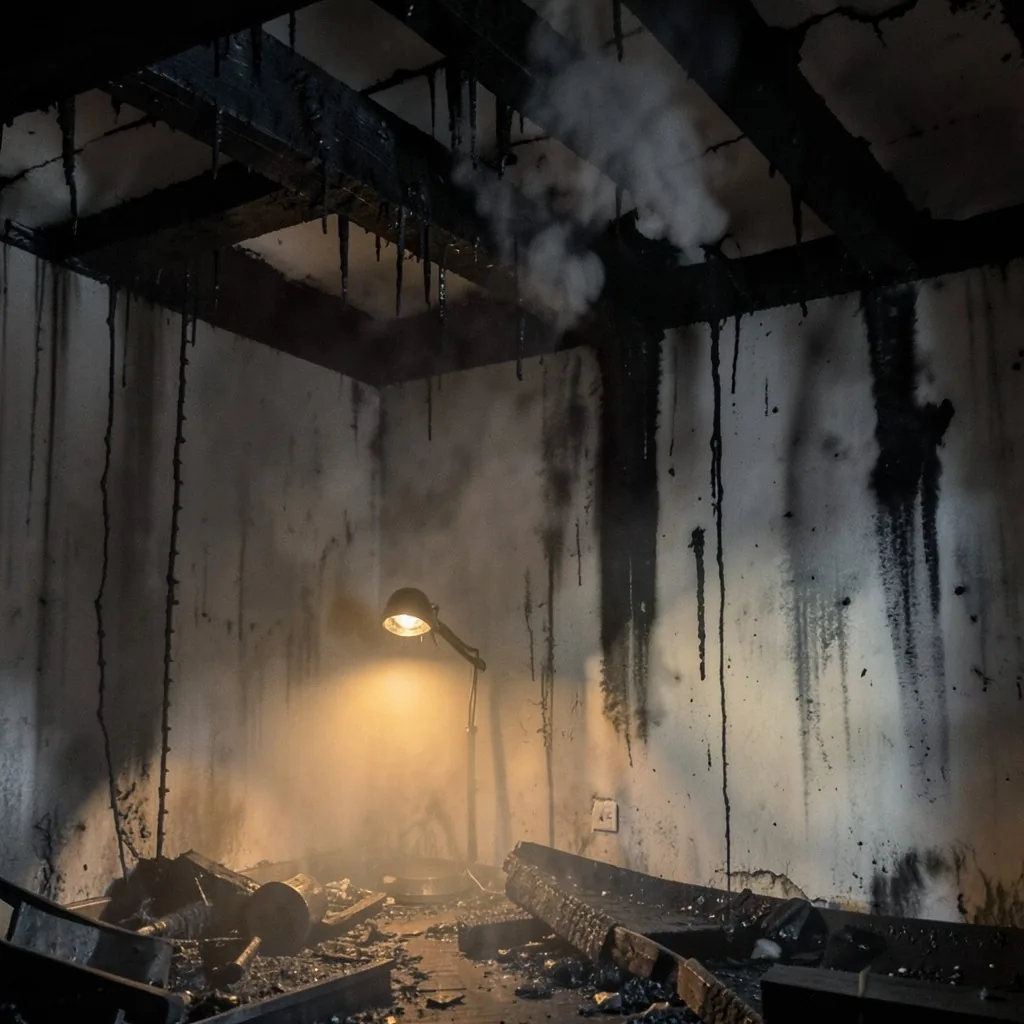
How do Cabot crews handle it?
Residue chemistry assessment
A crew tests surface residue to determine whether the fire burned protein-based material, synthetic material, or a mixture, since acidic and alkaline byproducts call for different neutralizing agents. Applying the wrong treatment can drive residue deeper into a finish instead of lifting it.
Corrosion control
Metal fixtures, hardware, and appliances are treated to halt active oxidation before pitting and tarnish become permanent. Acidic soot in particular continues etching glass and corroding metal for days after a fire if left untreated.
Secondary water extraction
Water used to suppress the fire carries dissolved combustion particulate into flooring and subfloor, creating a contaminated water loss layered on top of the fire. That water is extracted and the structure dried before chemical residue can bond further into porous substrate.
pH-balanced surface cleaning
Walls, ceilings, and hard surfaces are cleaned with agents matched to the residue's chemistry rather than a single all-purpose cleaner, lifting particulate without smearing it or driving it into the substrate.
Sealing and rebuild
Once neutralized, affected substrate is sealed to lock in any remaining trace particulate before new finishes go on, preventing residual chemistry from bleeding through fresh paint or drywall.
What should you do in the first 60 minutes?
- Confirm every person and pet is safely away from the building.
- Don’t attempt entry until officials confirm the structure is cleared.
- Avoid touching soot-covered surfaces — leave that documentation and cleaning to a crew.
- Build a room-by-room photo record of the damage for your claim file.
- Report the loss and start mitigation promptly — an adjuster will expect an early response on record.
- Call for professional mitigation in Cabot — the sooner a crew starts, the less is lost.
- Don’t step past the fire department’s barrier tape before an official clears the structure.
- Don’t power the furnace or AC back on — the ductwork will carry soot into every room.
- Don’t scrub soot with dish soap or all-purpose cleaner; the wrong chemistry can set the stain.
- Don’t haul scorched furniture to the curb before a contractor has logged it.
What drives fire damage in Cabot?
Water losses spike in deep winter, when a pipe can freeze, split, and flood a home before anyone is home to notice. Heating-season fires — furnaces, space heaters, and chimneys — are the seasonal fire risk. The most common triggers around Cabot include frozen and burst pipes, ice dams and roof leaks, sump-pump failures and spring melt. Because the crews we route to work Cabot and the northern freeze belt regularly, they know where the damage hides in local homes and check for it before it becomes a bigger, costlier problem. Cabot sits amid open-country parcels and unincorporated township land, so dispatch routes cover real distance between calls.
Local dispatch covers Cabot and the neighboring communities of Calais, Adamant, Barre, Montpelier, Waterbury, Belvidere Center, Cambridge, Bakersfield, Bristol, Burlington, Colchester, and Charlotte.
Why is every Cabot job priced differently?
| Factor | Why it matters |
|---|---|
| How deeply odor has absorbed into porous materials | Deeper penetration requires source removal rather than surface treatment alone. |
| Square footage requiring thermal fogging | Larger treatment areas take more fogging passes and material. |
| Whether HVAC ductwork needs cleaning | Contaminated ducts add a separate service to stop recirculating odor. |
| Type of active air treatment required | Equipment run time and treatment duration scale with odor severity. |
| Volume of porous material requiring removal | Discarding and replacing saturated materials adds to the total scope. |
| Number of treatment cycles needed for full clearance | Severe odor sometimes needs more than one round of treatment to fully clear. |
Contractors set their own rates and quote you directly — see our cost guides for detail. No pricing is shown here.
What equipment does the work actually require?
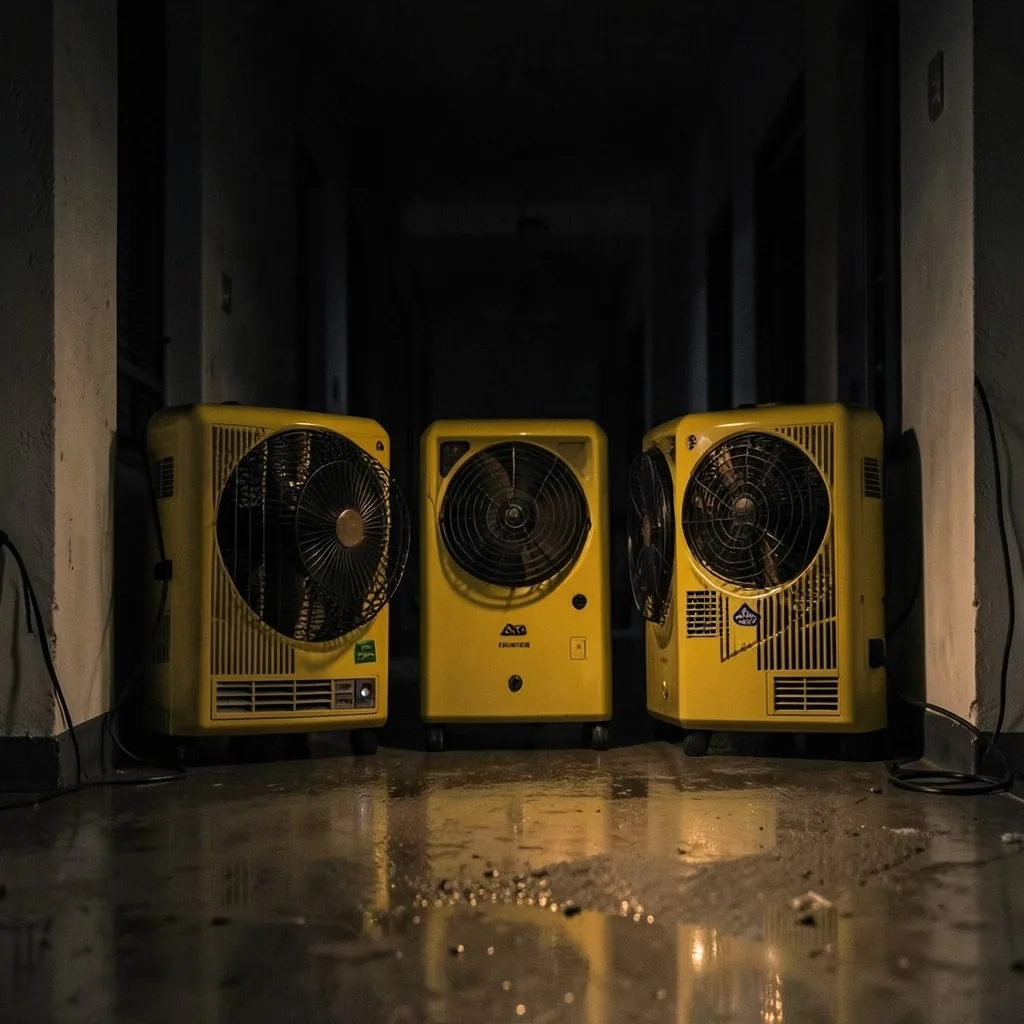
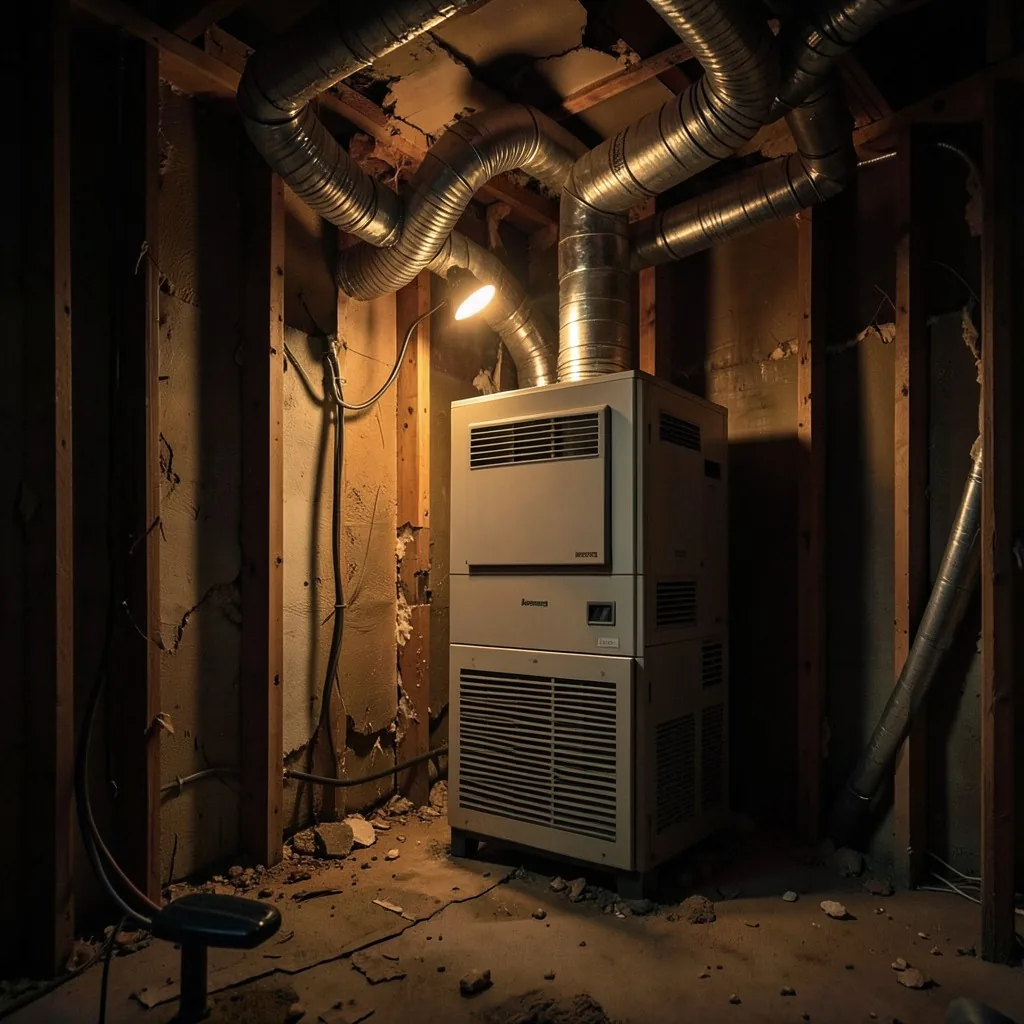
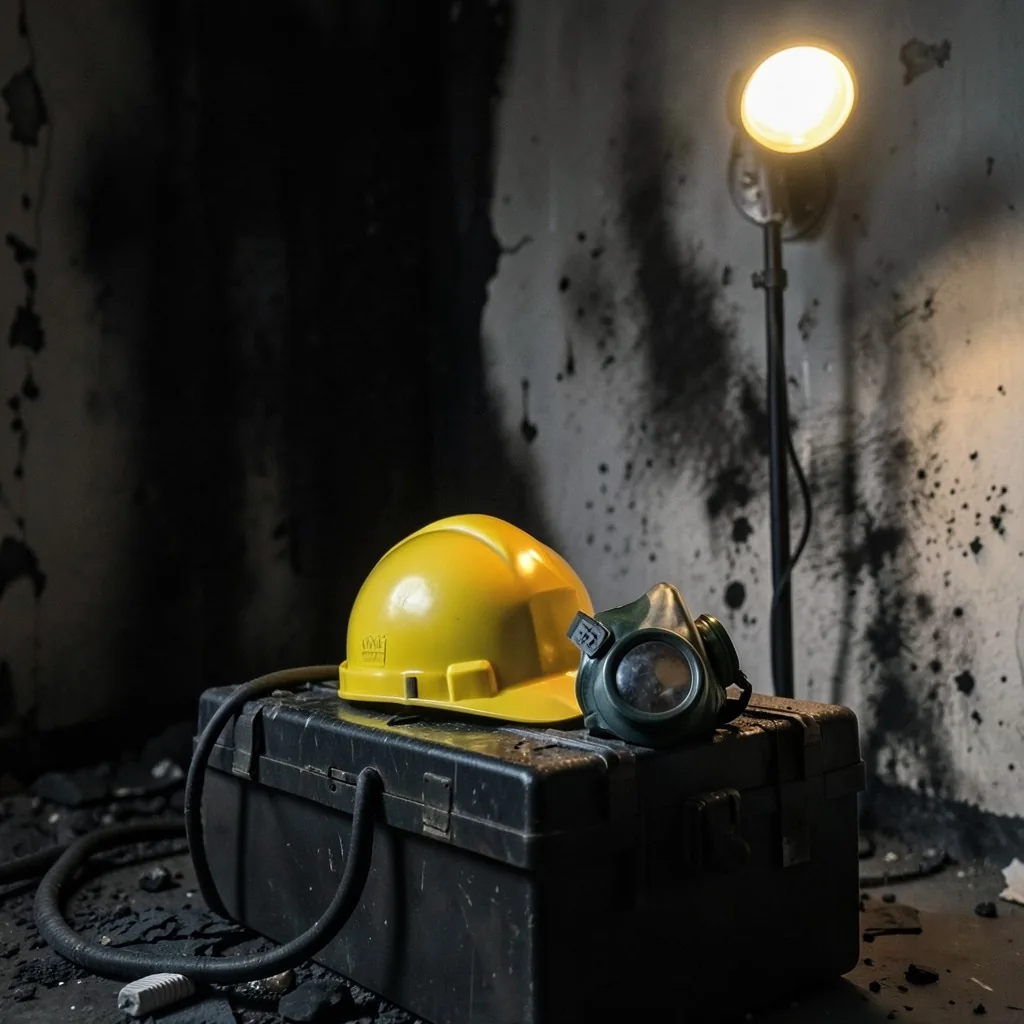
Salvage first, replace second — Cabot crews clean and save what they can, and are clear about what has to go.
What standards do local crews work to?
Boarded and weatherproofed first
Broken windows get boarded and damaged roofing tarped before anything else, so weather can’t add a second loss.
Integrity before contents
Framing and load-bearing elements are inspected for heat damage before anyone spends time on cleaning.
One crew, start to finish
The same contractor that secures the property can typically carry the job through framing, drywall, and paint.
The water problem underneath
Extinguishing water needs drying too, or a fire loss quietly becomes a water loss on top of it.
Fire damage right now?
A vetted local crew can be on the way. One call, free to get matched.
(877) 817-2440 →A thorough record helps a fire claim regardless of outcome: photos before boarding or cleanup starts, an inventory of damaged contents, and a scope covering both smoke remediation and structural repair. Contractors typically provide this documentation; what your policy actually pays is your carrier’s decision, not the crew’s. Coverage terms and exclusions vary by insurer and by state, so nothing here should be read as a promise of reimbursement — your own policy is the real answer. See our restoration insurance claims guide for the full process.
Fire Damage Restoration in Cabot — FAQ
Real answers on matching, cost, insurance, and getting a crew on site in Cabot. Don't see yours? The phone works from any page.
● (877) 817-2440How fast can a crew reach Cabot?
Cabot gets round-the-clock dispatch for fire damage calls, and matching to a local contractor is free. Actual arrival shifts with current demand, but same-day response is the norm.
Do you cover all of Cabot?
Yes — dispatch reaches every part of Cabot, for water damage, fire & smoke damage, through independent, IICRC-standard contractors. Cabot sits amid open-country parcels and unincorporated township land, so dispatch routes cover real distance between calls.
What causes most fire damage in Cabot?
Cabot sees the same regional pattern as the rest of the northern freeze belt: frozen and burst pipes, ice dams and roof leaks, sump-pump failures and spring melt account for most calls. Heating-season fires — furnaces, space heaters, and chimneys — are the seasonal fire risk. Cabot sits within a short drive of West Danville (4 mi) and Marshfield (4 mi), all inside the same response radius.
How much will fire damage restoration cost in Cabot?
Every Cabot contractor prices independently based on the size and category of the loss, so we don't publish rates here. Matching is free, and the estimate comes straight from the contractor who inspects the job. Our cost guides cover what actually drives the number. Particleboard subfloor and masonite siding are common in Cabot homes from this era, and both swell or delaminate fast once soaked.
Why does soot keep damaging metal after the fire is out?
Soot residue is chemically acidic or alkaline depending on what burned, and it continues reacting with metal and glass until it is neutralized. That is why corrosion and etching can worsen in the days after a fire if cleanup is delayed. Cabot crews document the work with photos and readings for your records and your insurer.
Is all fire residue the same?
No. A cooking fire fueled by oils produces different residue chemistry than a fire involving synthetic furniture or electronics, and each calls for a different neutralizing approach. Treating both the same way can spread residue rather than remove it. How fast a Cabot crew reaches you depends mostly on how quickly you call.
Does firefighting water need separate attention from the fire damage?
Yes. Water used to extinguish a fire carries combustion particulate and typically needs its own extraction and drying process, separate from surface cleaning, or it becomes a second loss layered on the first. A local Cabot, VT contractor handles this end to end — no distant call center.
Do the crews handle the rebuild too, or just cleanup?
Both. The independent contractors we route to in Cabot handle emergency mitigation and can carry the project through full restoration and rebuild — drywall, flooring, paint, and reconstruction — so you deal with one crew from the first call to move-back-in.
Is it really free to get matched?
It is. Matching a Cabot property owner with a contractor costs nothing and commits you to nothing; the estimate comes straight from the crew that inspects the job.
Are the Cabot crews vetted?
Yes — the contractors serving Cabot are independent, IICRC-standard operators, each responsible for their own credentials and cover. Ask to see them before anything starts; a legitimate crew expects the question.
Can one crew handle every kind of damage?
What's the difference between mitigation, remediation, restoration and repair?
Four words get used as if they mean the same thing, and they do not. Knowing which phase you are actually being quoted for is the difference between comparing two Cabot estimates fairly and comparing a mitigation price against a full rebuild.
Inspection is the measuring step, not the selling step. It maps how far fire and smoke damage has travelled in the building, which is what a scope is then written from.
Mitigation is the emergency half — the work that stops the loss spreading. In Cabot that means stopping the loss getting worse within hours, not days. Insurers generally expect it to begin immediately, because delay turns a contained loss into a larger one. Most policies ask you to take reasonable steps to limit damage, so this phase usually proceeds without waiting for approval.
Remediation (often written cleanup) is removing what cannot be saved and returning conditions to normal — extraction, removal of unsalvageable material, cleaning and drying to a documented standard. It is the phase where most of the actual labour sits, and where a scope either holds or expands.
Restoration describes the full project rather than one phase — the reason "fire damage restoration" and "cleanup" often appear to mean the same thing in adverts.
Repair (or reconstruction) is the rebuild at the end — drywall, flooring, paint, cabinetry. It is a separate phase with its own schedule, and quotes frequently exclude it. Always ask which you are being quoted.
Pack-out is the removal of contents — furniture, documents, electronics, personal items — to be cleaned and stored off-site while the building work happens. It appears as its own line on a Cabot estimate, and it is often the difference between a quote that looked cheap and one that looked expensive. Not every loss needs one.
Verification closes the job with evidence — readings and, where relevant, clearance results. A Cabot contractor who cannot produce it at the end has given you a tidy room rather than a completed remediation, and the difference matters later.
Worth doing before you choose a Cabot contractor: ask each one which of these phases their price actually covers. Most disputes about a restoration bill trace back to one quote including reconstruction and the other not — which is a scope difference, not an honesty problem, but it only surfaces once the work is underway. Getting it in writing at the estimate stage costs nothing and settles it.
Fire Damage Restoration near Cabot
Read up on fire & smoke.
Report the incident in Cabot.
Give a brief account of the damage and a vetted local outfit responds. Where the situation is still developing, calling gets a faster answer.
- Being connected is free — walk away at any point
- Independent operators held to established restoration standards
- You deal with one firm — they set out the numbers themselves
Routed by locality, so whoever answers already works your neighborhood.
Your Cabot crew is one call away.
Free to get matched, no obligation — the crew gives you the estimate directly.