Homicide Cleanup
when you need it most.
Decontamination after a homicide, once investigators release the scene — handled discreetly, with the estate and the family in mind. This page is informational — it explains how the work is scoped and what to look for when choosing a specialist.
Why this is not a cleaning job
Homicide cleanup is the decontamination of a property after a killing, once investigators have finished and released the scene. It sits alongside crime scene cleanup and involves the same regulated work — blood and bodily fluids treated as biological hazards, porous materials removed rather than cleaned, investigative residues taken out, and everything disposed of through a licensed medical-waste stream. What tends to distinguish it in practice is the surrounding circumstances: investigations run longer, the property may be held for an extended period, media attention is sometimes involved, and the people arranging the work are usually grieving and dealing with an estate at the same time.
Blood and bodily fluids are treated as regulated biological hazards, not as mess. That single fact changes everything about how the work is done: technicians wear protective equipment, the area is contained before anything is disturbed, porous materials that absorbed fluids are removed rather than cleaned, and the waste leaves through a licensed medical-waste carrier rather than in a skip. The benchmark is the OSHA Bloodborne Pathogens Standard, which exists mainly to protect the people doing the job.
The other reason it is specialist work is that the visible area is almost never the affected area. Fluids follow gravity and capillary action — along seams, through carpet into underlay, into subfloor, and sometimes to the ceiling below. Cleaning what can be seen leaves contaminated material inside the building, which is how a property that looks fine still smells six weeks later.
The sequence below is the one nobody expects — the property is handed back to you exactly as it was left, and arranging decontamination is yours to do.
- INCIDENT
The property is a scene
Nothing is touched. Access is controlled by the authorities.
- INVESTIGATORS
Evidence is gathered
They collect and document. They do not clean, and never will.
- CORONER
The formal process
Where a death is involved, the medical examiner completes their work.
- RELEASED
It becomes yours again
The property is handed back exactly as it was left. This surprises almost everyone.
- DECONTAMINATION
A specialist takes over
Containment, removal, disinfection and regulated disposal — arranged privately by you.
- REBUILD
Putting it back
Flooring and finishes replaced where material had to be removed. A separate phase.
When should you call?
What does full-scope homicide cleanup cover?
- Work begins only after investigators formally release the scene
- Assessment of contamination extent, including beneath flooring and in cavities
- Discreet arrival and working — unmarked vehicles on request
- Removal of porous materials that absorbed biological material
- Cleaning and disinfection of remaining surfaces
- Removal of fingerprint powder, evidence markers and chemical residues
- Recovery of personal effects where they can be safely handled
- Regulated waste disposal with documentation for the estate
What falls under biohazard cleanup
The situations vary enormously, and most of them are not crimes. What they share is biological material that cannot be handled or disposed of like ordinary waste.
Unattended death
A death not discovered immediately. Decomposition releases fluids that penetrate flooring and structure, and produces odour that cannot be treated until the source is removed.
Crime scene
Decontamination after a violent incident, once investigators release the property — including the fingerprint powder and residues the investigation itself leaves behind.
Suicide
Handled discreetly and arranged so that a family never has to do it themselves. If you are struggling, call or text 988 for the Suicide and Crisis Lifeline.
Trauma and accidents
Serious falls, medical episodes and industrial accidents — plus the dressings, packaging and sharps an ambulance crew leaves behind.
Hoarding
Clearing and decontaminating a hoarded property, at a pace set with the person who lives there. Hoarding disorder is a recognised condition, not a lifestyle choice.
Hazmat and infectious
Sharps, medical waste, chemical contamination and professional disinfection of spaces that need to be returned to safe use.
How does one line reach a vetted local crew?
Nobody needs to know
Unmarked vehicles, plain uniforms and discreet timing are standard on request. Neighbours do not need to be told anything.
You should not do this
No family should clean up after someone they love. Beyond that, the waste is regulated and cannot lawfully go in ordinary refuse.
Done to OSHA standard
Containment, protective equipment and regulated disposal, benchmarked against the Bloodborne Pathogens Standard.
Evidence it was done
A record of what was removed, how the area was verified and where the waste went — for the estate, an insurer, or a future sale.
How does it work?
Waiting for release
Nothing starts until the scene is formally released, and in a homicide investigation that can take considerably longer than families expect — sometimes weeks. A specialist can be arranged in advance so work begins as soon as release happens rather than starting the search then.
Assessment
Contamination is mapped, including where material has travelled beneath flooring, along seams and into wall cavities. In cases where the property was held for a long period, decomposition factors may also be present and change the scope considerably.
Discretion
Unmarked vehicles, plain uniforms and discreet timing are standard on request. Where a case has attracted attention, this matters more than usual, and a reputable specialist treats it as part of the job.
Containment and removal
The area is contained and porous materials removed — flooring, underlay, furnishings, frequently subfloor. Remaining hard surfaces are cleaned and then disinfected, in that order.
Investigative residues
Fingerprint powder, evidence markers, adhesives and chemical agents used during the investigation are removed. These spread well beyond the incident area and are often the most visible reminder left in a property.
Verification, disposal and documentation
The area is verified, regulated waste leaves through a licensed carrier, and documentation is provided — which matters for the estate, for an insurer, and for any future sale of the property.
What does homicide cleanup cost?
| Scenario | Typical range | Notes |
|---|---|---|
| Contained area, limited porous material | $2,000 – $5,000 | Cleaning, disinfection, residue removal |
| Single room, flooring and furnishings removed | $5,000 – $10,000 | Most common residential case |
| Multiple rooms or material reaching structure | $10,000 – $25,000 | Subfloor, joists, adjoining spaces |
| Extended holding period with decomposition factors | $12,000 – $30,000 | Scope overlaps unattended death work |
| Investigative residue removal | $300 – $1,200 | Powder spreads far beyond the incident area |
| Regulated waste disposal | $300 – $1,800 | Priced by volume through a licensed carrier |
Planning ranges, not quotes. Every specialist sets its own rates and prices the job after inspecting the property — use these to budget and to sanity-check a bid.
Why is every job priced differently?
| Factor | Why it matters |
|---|---|
| Volume of porous material removed | The largest driver — anything that absorbed biological material is removed and disposed of as regulated waste. |
| How long the property was held | Extended investigation periods allow material to penetrate further and can introduce decomposition factors, enlarging the scope substantially. |
| Spread of investigative residues | Fingerprint powder and chemical agents add cleaning labour across surfaces that were never contaminated biologically. |
| Extent of structural involvement | Material reaching subfloor, joists or an adjoining room multiplies what has to come out. |
| Access and discretion requirements | Constrained access and discreet working arrangements both affect how the work is staged. |
What equipment does the work require?

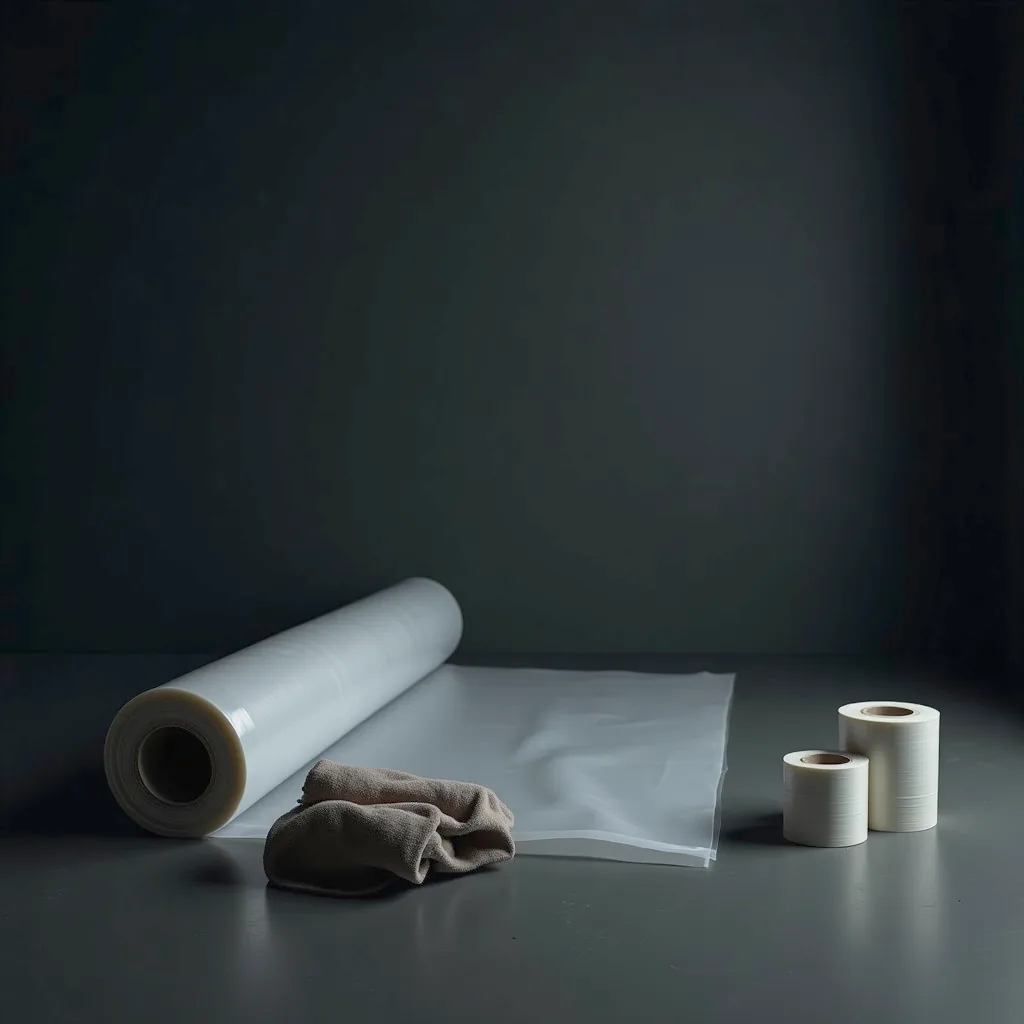

Salvage first, replace second — crews clean and save what they can, and are clear about what has to go.
Not sure where to start?
Understanding the phases is what stops you being quoted for the wrong one — and what to expect before you contact anyone.
How the routing works →What to expect when you make contact
You do not need to be at the property, and most people are not. A specialist can work from an agreed scope with a nominated contact — a relative at one remove, a friend, or a funeral director — so nobody has to walk through the room to explain what is needed.
Where an incident is under investigation, nothing can begin until the authorities formally release the property. That wait is difficult and no company can shorten it, but a specialist can be arranged in advance so work starts the moment release happens rather than the search starting then.
Homeowners policies frequently provide some cover for biohazard decontamination, and many states run victim compensation programmes that can help families of violent crime victims. Landlord policies sometimes cover it too. All of this varies by policy and circumstance, so ask the insurer directly and check what exists in your state. This is general information, not insurance advice.
Homicide Cleanup — FAQ
Real answers on matching, cost, insurance, and getting a crew on site. Don't see yours? The phone works from any page.
● (877) 438-0796Do the police clean up after a homicide?
No. Investigators collect evidence and then release the scene; cleaning is not part of their role. The property is returned as it was left, and arranging decontamination falls to the family, the estate or the landlord.
How long before cleanup can start?
Only after the scene is formally released, which in a homicide investigation can take days or weeks. Arranging a specialist in advance means work can begin immediately on release rather than starting the search at that point.
Is homicide cleanup different from crime scene cleanup?
The technical work is largely the same. What differs in practice is the context — longer investigations, extended property holds that can introduce decomposition factors, and families dealing with an estate and sometimes public attention at the same time.
Who pays for it?
Homeowners policies frequently provide some cover, and many states run victim compensation programmes that can help with costs for families of violent crime victims. Both are worth pursuing. This is general information, not insurance advice.
Can it be done without neighbours knowing?
Largely, yes. Unmarked vehicles, plain uniforms and discreet timing are standard on request, and where a case has attracted attention a good specialist treats that as part of the brief.
Will the property be sellable afterwards?
Decontamination removes the biological hazard and any residual odour, and documentation of the work is worth keeping for that reason. Disclosure obligations on a death in a property vary by state and are a legal question rather than a cleaning one.
Is it free to get matched with a homicide cleanup crew?
Yes. Getting matched is free and carries no obligation. The contractor assesses the damage and gives you the estimate directly, and you're welcome to compare it against other bids before you decide.
How does the matching work?
One call — or the online form — routes your request to a vetted, independent local contractor whose service area covers your ZIP code, not a distant call center. You reach a crew that already works your area, so a local pro can get to you quickly.
Do I have to hire the contractor you match me with?
No. There's no obligation to hire anyone. Matching simply connects you with a qualified local crew; the decision — and the agreement for any work — is entirely between you and the contractor.
Will my insurance cover biohazard cleanup?
That depends on your policy and your insurer. Sudden, accidental losses are commonly covered, while gradual damage is often limited. Crews document the loss with photos and readings, which creates a clear record — but coverage decisions rest with your carrier. This is general information, not insurance advice.
How do I check the homicide cleanup contractor's credentials?
Each contractor in the network is an independent business responsible for its own credentials and cover. Ask for the registration number and certificate of coverage directly before work begins — every legitimate pro expects the question, and you should never feel awkward asking it.
Read up on homicide cleanup.
Tell us what you are dealing with.
Tell us what happened and a vetted local contractor reaches out. For an active emergency, calling is faster.
- Free to get matched — no obligation, ever
- Vetted, IICRC-standard local crews
- One local pro — the contractor quotes you directly
A crew that works your ZIP — not a distant call center.
Biohazard work is the part of restoration nobody plans for, and it is almost always arranged by someone having the worst week of their life. The practical points worth holding on to are simple: no agency cleans up afterwards, the property is returned as it was found, you are not expected to handle it yourself, and the waste is regulated so it cannot simply be thrown away. Specialists exist for exactly this, and arranging one is a phone call someone else can make on your behalf.
Know what you're arranging.
Specialists price this after seeing the property, and nobody should be handling it themselves. Understanding the phases is what stops you being quoted for the wrong one.